

Platinum is not just a precious metal used in luxury jewelry; it is a critical industrial pillar driving the future of clean energy, electric vehicles, and green hydrogen. Due to its extreme rarity and growing importance, it has increasingly become a prime target for global investors.
Here is a comprehensive guide explaining what platinum is, why demand is surging, and how you can invest in it.
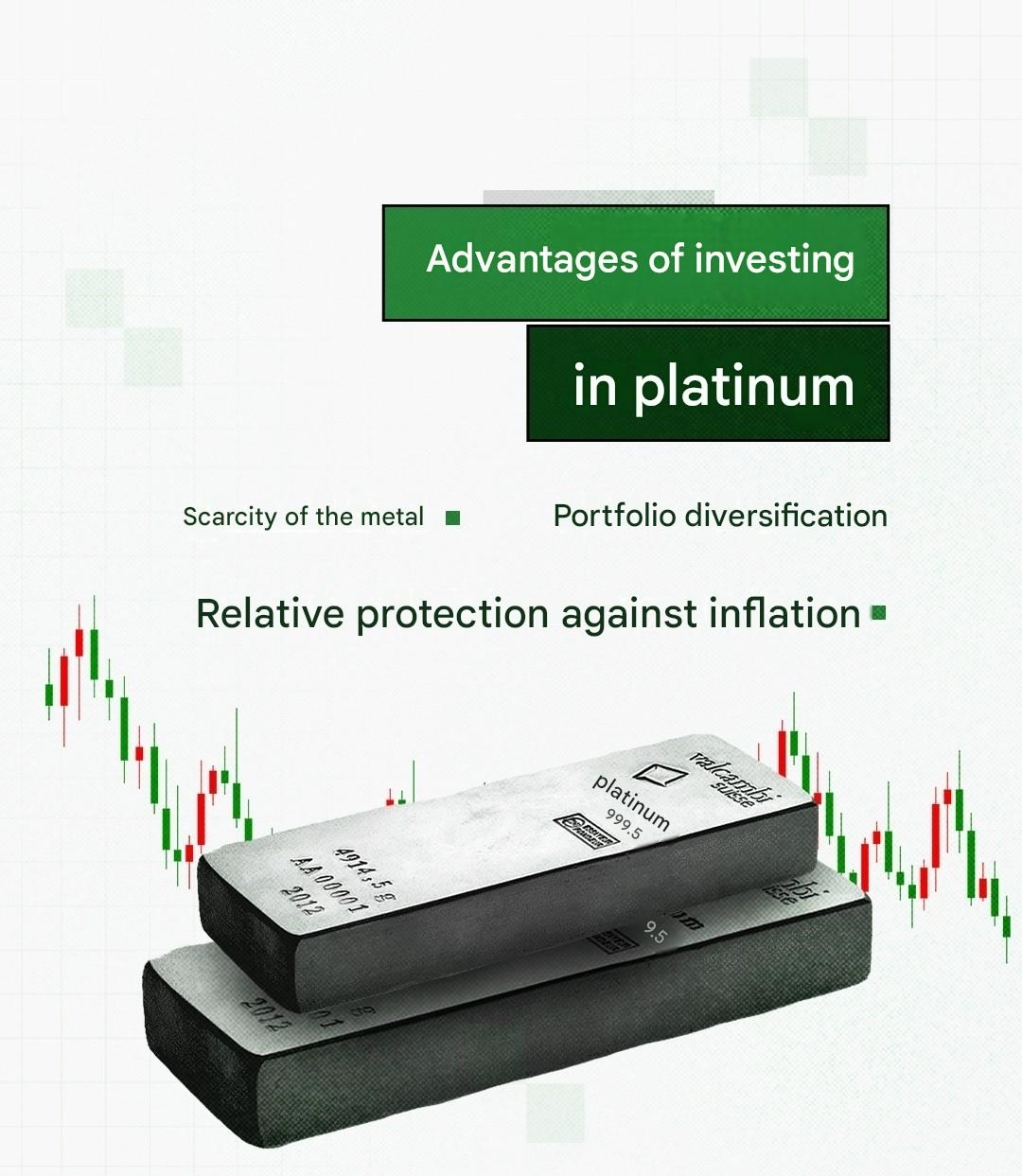
First: What is Platinum, and Why is Global Demand Rising?
Platinum is a dense, precious metal characterized by exceptional resistance to corrosion and heat, alongside a powerful ability to catalyze chemical reactions without being consumed. It is far rarer than gold, with the vast majority of its global production concentrated in South Africa and Russia.
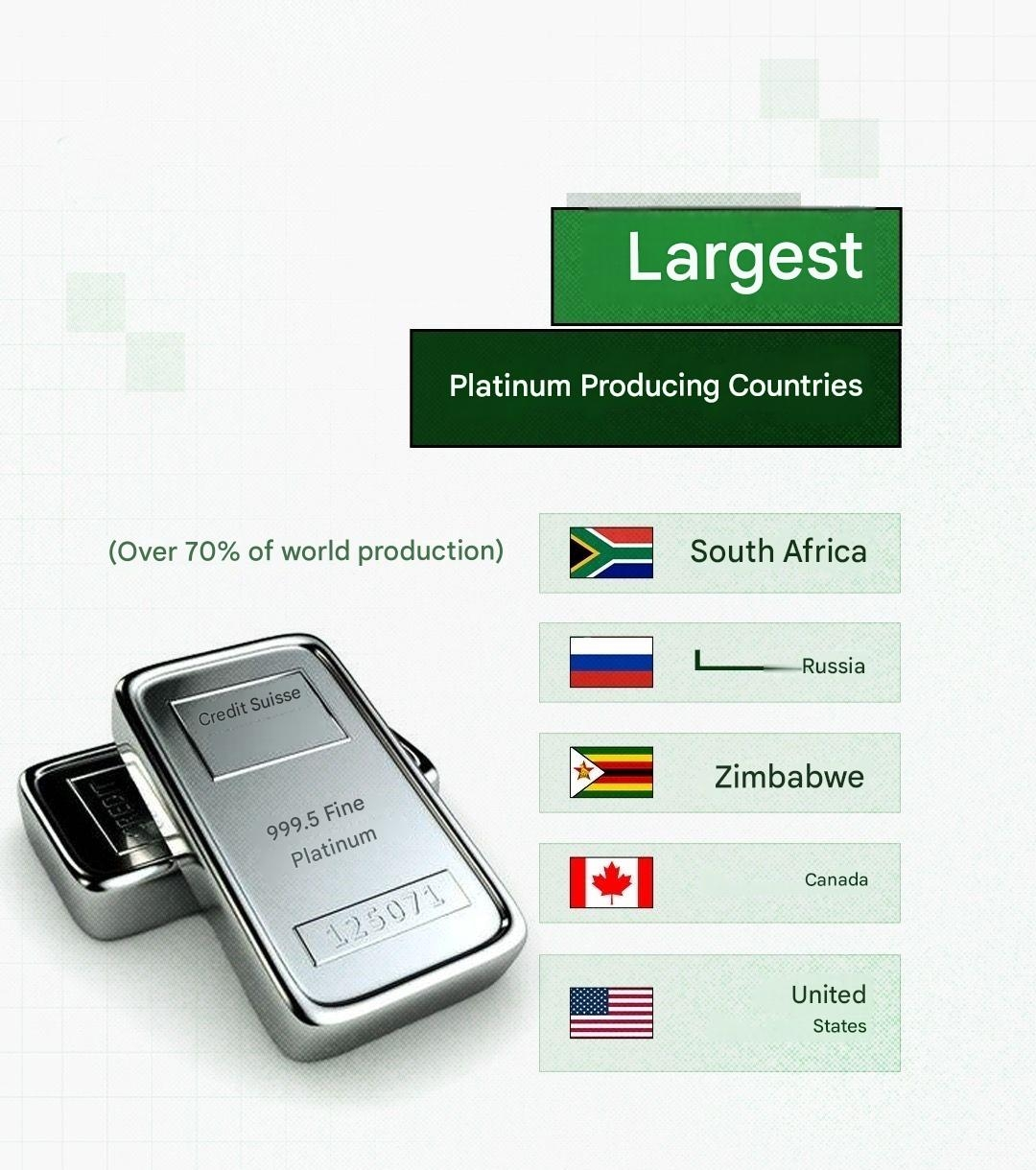
The primary drivers of global demand span three major sectors:
The Automotive Industry and Green Transition: Platinum is fundamentally used in catalytic converters to reduce toxic emissions in internal combustion and hybrid vehicles. Additionally, it is an essential component in hydrogen fuel cells, which power the next generation of hydrogen electric vehicles and heavy-duty transport trucks.
The Jewelry Industry: It maintains a massive market share in luxury jewelry due to its pure white color and superior durability compared to gold.
Industrial and Medical Applications: It is utilized in the manufacturing of medical devices (such as pacemakers), dental tools, petroleum refining, and glass manufacturing.
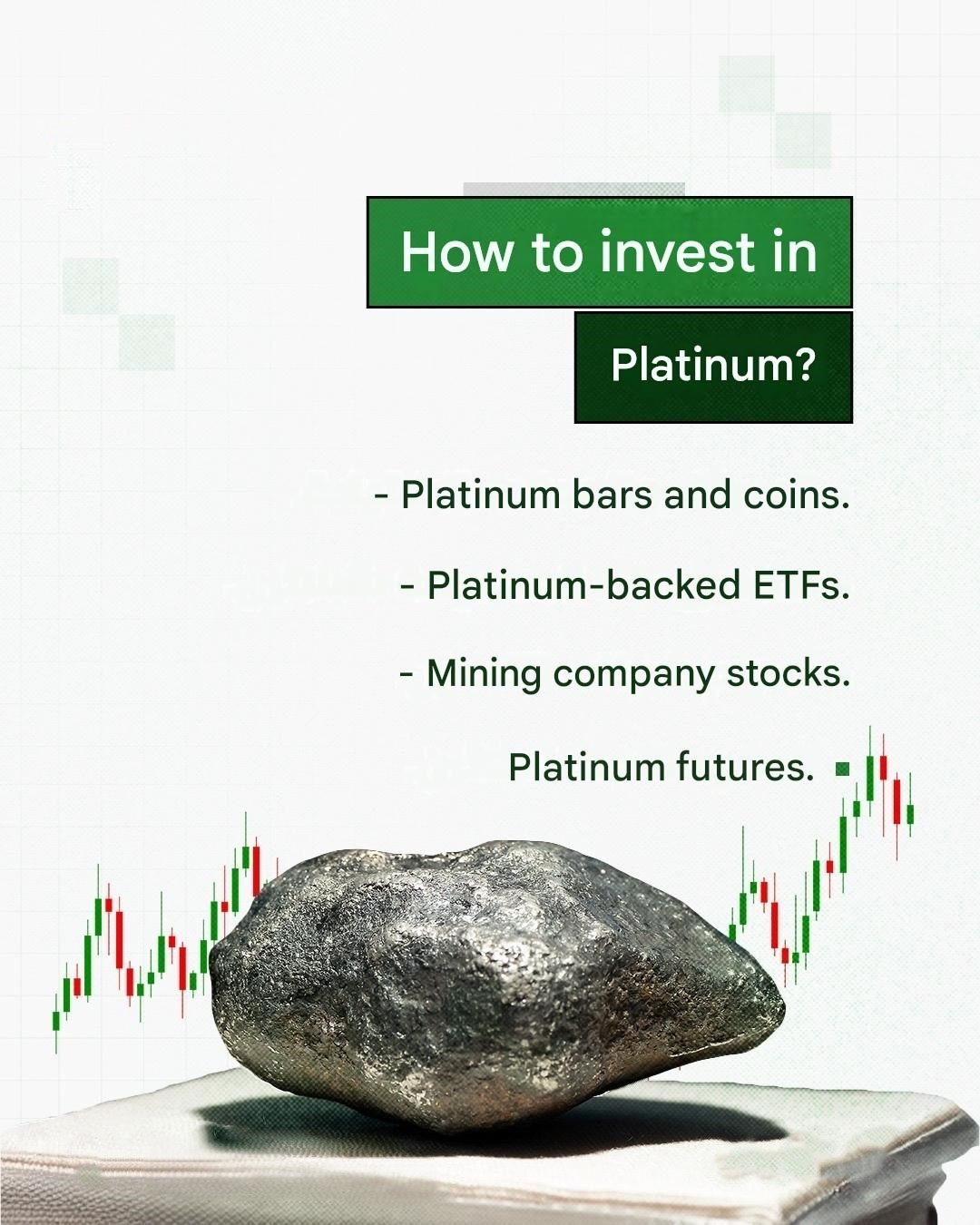
Second: How Can You Invest in Platinum?
If you are looking to diversify your portfolio beyond gold and silver, several investment methods cater to different capital levels and risk tolerances:
1. Physical Investment (Bullion and Coins)
The Concept: Buying and physically storing real platinum.
How to Do It: You can purchase pure platinum bars ($99.9\%$) or certified coins from reputable precious metal dealers or local and international commodity exchanges.
Pros: A tangible asset that serves as a safe haven during times of crisis.
Cons: Requires additional costs for secure storage and insurance, and immediate resale spreads (the difference between buying and selling prices) can be high.
2. Exchange-Traded Funds (ETFs)
The Concept: Buying shares in funds that track the spot price of platinum, eliminating the need to physically own and transport the metal.
How to Do It: Through a brokerage account, you can invest in well-known funds such as the Aberdn Physical Platinum Shares ETF (PPLT).
Pros: Highly liquid (you can buy and sell at the click of a button) and cost-effective without the hassle of storage.
3. Platinum Mining Stocks
The Concept: Investing in companies that explore for and extract platinum.
How to Do It: Purchasing shares of major mining corporations listed on global stock exchanges, such as Anglo American Platinum or Impala Platinum.
Pros: As platinum prices rise, these companies often generate amplified profits and frequently pay out cash dividends.
Cons: Performance is not solely tied to the metal's price; it is also heavily affected by corporate management efficiency, labor strikes, and geopolitical risks in mining regions.
4. Futures and Contracts for Difference (CFDs)
The Concept: Speculating on the future price movements of platinum.
How to Do It: Trading via platforms that offer CFDs or through major commodity exchanges (like the $NYMEX$).
Pros: The ability to profit from both rising and falling prices (via short selling) and utilizing financial leverage to amplify trading capital.
Cons: Extremely high risk, making it unsuitable for beginners or long-term investors due to sharp price volatility.

Investor Takeaway
Platinum differs fundamentally from gold. While gold is largely driven by sentiment and safe-haven demand, platinum is heavily powered by economic and industrial growth. Therefore, before investing, closely monitor global automotive sector data and advancements in green hydrogen technology to capture the ideal market entry point.


