
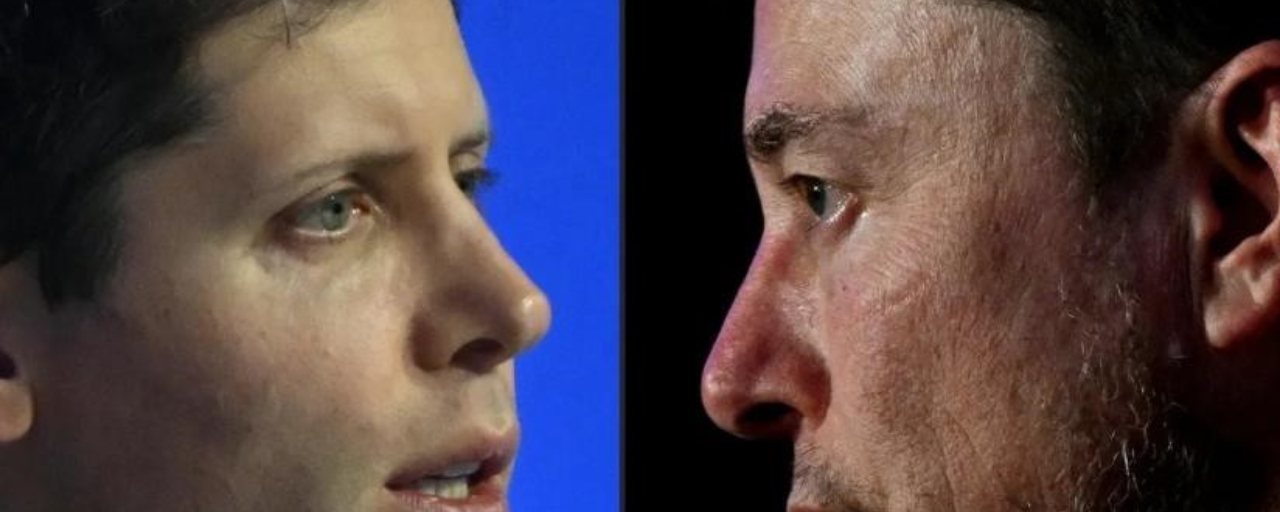
After less than two hours of deliberation, a jury rejected Elon Musk’s claims against Sam Altman, the CEO of OpenAI. This concludes a major chapter in the intense conflict between two of tech’s most prominent billionaires, who once shared a close collaborative relationship before it dissolved into fierce rivalry.
Dismissal of the Lawsuit
The court, presided over by U.S. District Judge Yvonne Gonzalez Rogers, upheld the advisory jury’s verdict that Altman and OpenAI were not liable. The court deemed that the claims of breach of fiduciary duty and unjust enrichment were legally barred because they were filed after the statutory deadline.
The judge signaled her readiness to permanently dismiss the claims immediately, emphasizing that there was sufficient evidence to support the jury’s conclusion.
The ruling established that the claims were filed outside the statute of limitations. According to the court's findings during the three-week trial in Oakland, California, Musk had three years to file the lawsuit but failed to do so within the specified timeframe.
Musk’s Lawyer Retains Right to Appeal
At the conclusion of the session, Musk’s attorney, Stephen Morrow, confirmed that his client retains the right to appeal, signaling a potential continuation of the legal dispute between the two parties.
Musk had filed the lawsuit in 2024 against Altman and OpenAI, accusing them of violating the lab’s founding mission as a non-profit organization working for the benefit of humanity. Musk was among the co-founders who launched OpenAI in 2015 before leaving its board of directors three years later.
The lawsuit also included Microsoft, one of OpenAI's most prominent investors since 2019, which Musk accused of contributing to what he described as a breach of foundational commitments. However, the court dismissed all allegations against Microsoft as well.
Demand for $134 Billion in Damages
Musk’s legal team demanded damages that could reach up to $134 billion from "unjust enrichment," alongside the removal of Altman and OpenAI President Greg Brockman, and the reversal of the company’s 2025 restructuring that allowed for the expansion of its for-profit arm. Musk also asserted that any damages awarded should be returned to OpenAI’s original non-profit foundation, rather than to him personally.
The core of the case rests on Musk’s claim that OpenAI’s leadership "effectively took over a charity" and redirected its path from serving humanity to pursuing commercial profits. He testified during the trial that he had donated approximately $38 million on the understanding that the project would develop artificial intelligence for the benefit of humanity, not for private gain.
Donations Were Unconditional
In response, OpenAI’s lawyers argued that Musk’s donations were unconditional and that transitioning to a for-profit model was necessary to keep pace with fierce competition from rival labs, such as Google’s DeepMind.
The defense also pointed out that Musk himself had proposed a for-profit model conditioned on control at an earlier stage, and had previously pushed to merge the company into Tesla before later founding his own rival company, xAI, in 2023.
Thus, the U.S. judiciary has closed a page on one of the tech world's most dramatic disputes, yet the door remains open for a prolonged battle among AI titans over the industry’s future, as well as its ethical and commercial boundaries.
#StriveAcquires382BTCFor$30.3M
#PolymarketNasdaqPredictionMarketPartnership


