
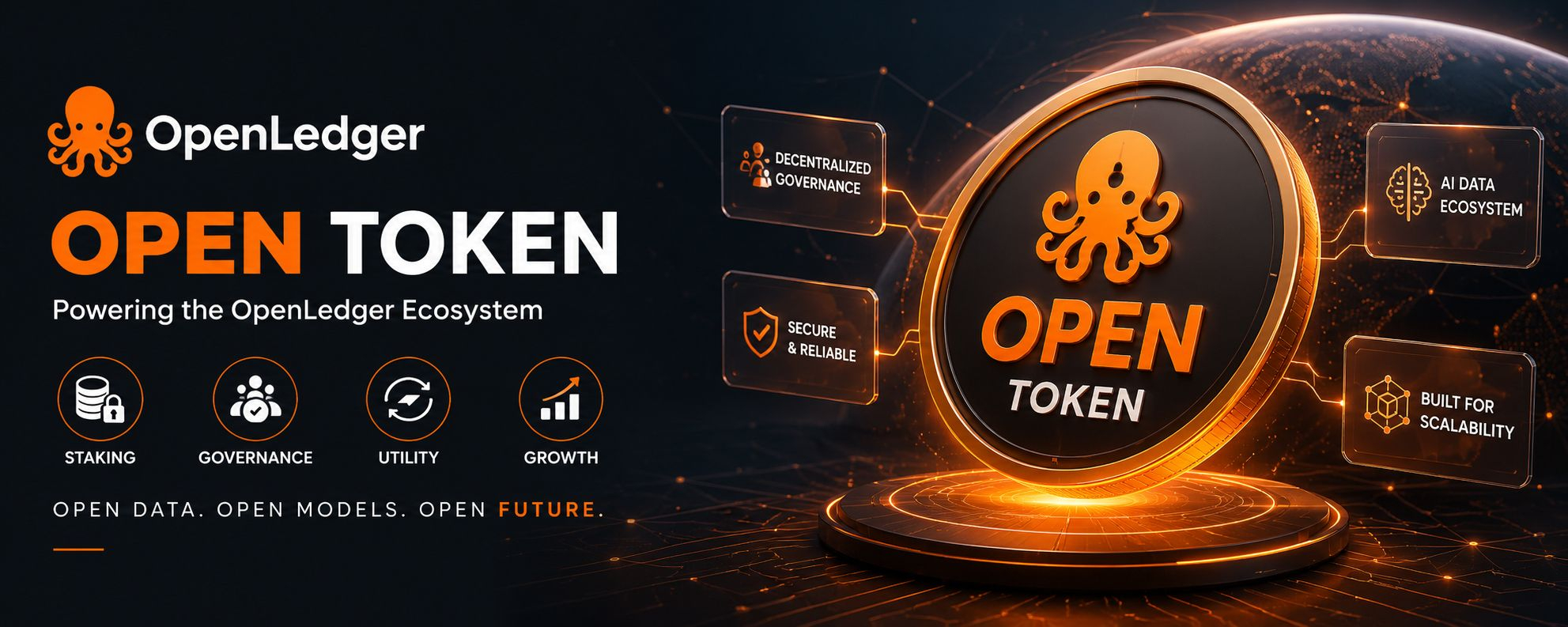
I have been in crypto long enough to watch countless ecosystems appear with massive promises and disappear once market attention faded. That’s one reason OPEN Token caught my attention differently. Most projects focus heavily on speculation first and utility later, but OPEN Token feels more connected to actual ecosystem participation. Inside OpenLedger, the token isn’t sitting passively in the background.
OPEN Token is tied directly to staking, governance, and transaction flow, which immediately makes the ecosystem feel more operational than performative.
What stood out to me about OPEN Token is that OpenLedger doesn’t try too hard to force excitement. In a market where many ecosystems inflate activity through temporary incentives, OPEN Token feels positioned around long-term usage instead.
I’ve seen projects throw huge token rewards at users only to watch engagement collapse once rewards slowed down. OpenLedger appears more focused on building an environment where OPEN Token remains relevant because users are actively interacting with the ecosystem itself, not just farming short-term gains.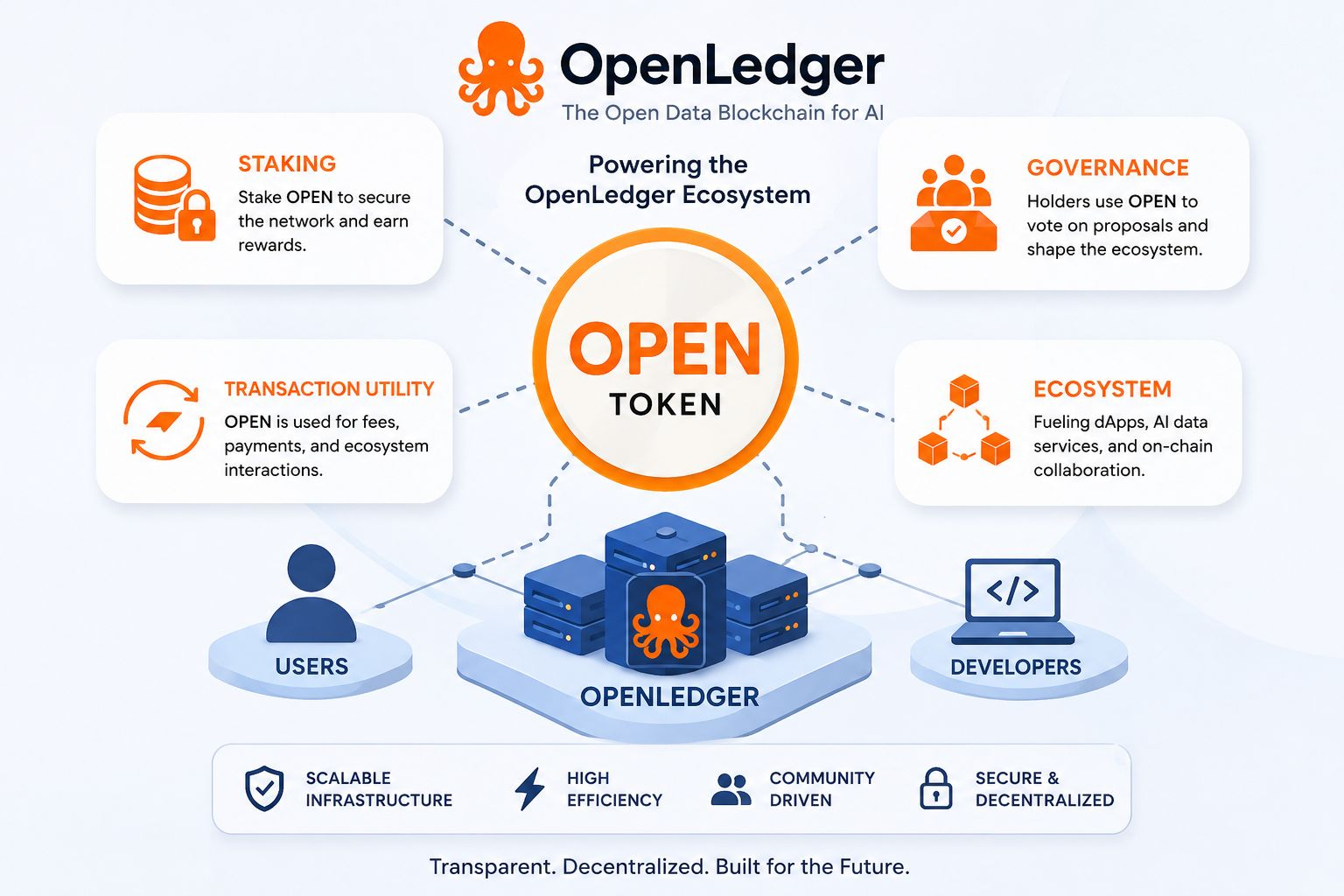
The user experience around OPEN Token also feels smoother than what I usually expect from blockchain ecosystems. A lot of Web3 platforms today feel exhausting to use. People jump through repetitive tasks, complicated interfaces, and endless wallet confirmations that make participation feel more like digital labor than genuine engagement. OpenLedger still operates inside the same crypto environment, but OPEN Token feels naturally integrated into the process rather than forced into every interaction. That small difference matters because simplicity is usually what determines whether users stay active long term.
I also spent time looking at the infrastructure supporting OPEN Token because branding alone means nothing if the backend struggles during growth periods. OpenLedger’s architecture appears designed with scalability and transaction efficiency in mind. That gives OPEN Token more practical importance inside the ecosystem instead of functioning like a disconnected speculative asset. I’ve watched many blockchain ecosystems where the token exists mainly for trading volume, but OPEN Token seems more embedded into the actual mechanics of governance, staking participation, and transaction utility.
The governance layer around OPEN Token is another area I find interesting. Most blockchain projects talk about decentralization while real decisions still happen behind closed doors. OpenLedger at least appears to encourage more visible community involvement through OPEN Token participation. I’m naturally skeptical of governance systems because token-weighted structures often favor large holders, but OPEN Token feels positioned as a functional governance tool instead of being treated as empty branding language.
What also keeps OPEN Token interesting to me is the way OpenLedger balances on-chain activity with smoother off-chain interaction layers. That balance matters more than many crypto projects realize. Users care about responsiveness and accessibility far more than technical complexity. OPEN Token seems designed to support ecosystem activity without forcing users to constantly deal with friction-heavy blockchain mechanics. That creates a more comfortable environment, and comfort usually plays a major role in retention.
I pay close attention to behavioral patterns inside crypto communities, and OPEN Token has shown signs of stronger ecosystem retention compared to many short-cycle projects I’ve followed. Conversations around OpenLedger seem more focused on participation, staking, ecosystem utility, and governance rather than nonstop price obsession. That doesn’t guarantee long-term success for OPEN Token, but communities built around utility tend to survive market pressure better than communities driven purely by speculation.
At the same time, I don’t think it’s realistic to discuss OPEN Token without acknowledging the risks surrounding OpenLedger. Competition inside blockchain infrastructure is extremely aggressive right now. Every ecosystem claims to solve scalability, governance, and engagement problems. OPEN Token still has to prove why users and developers should remain active long term instead of moving toward newer narratives. Token inflation could also become a challenge if ecosystem rewards expand faster than real adoption. I’ve seen solid projects weaken because participation failed to keep pace with token distribution pressure.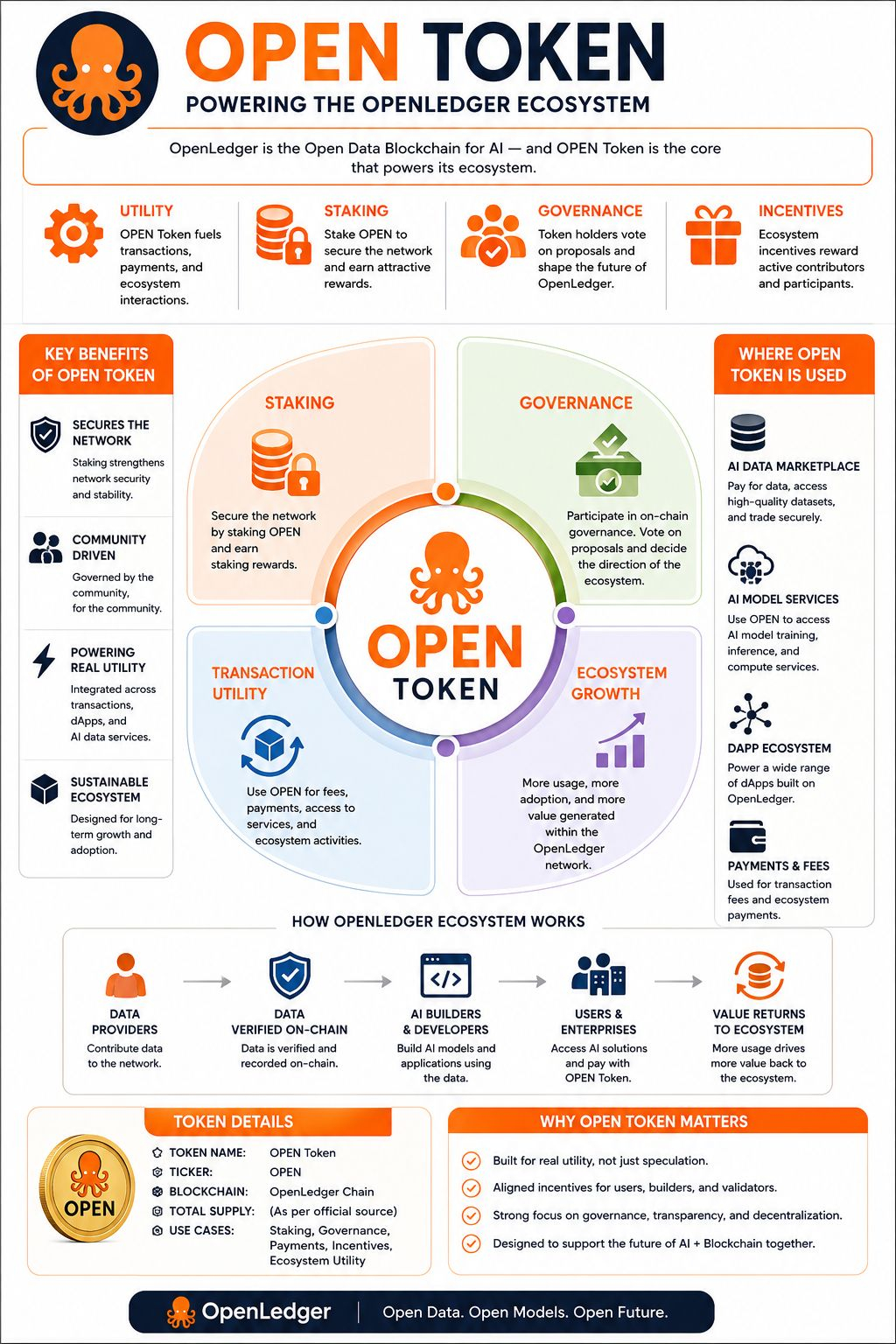
Broader market conditions also matter for OPEN Token whether people like admitting it or not. Even ecosystems with solid infrastructure struggle during periods where liquidity disappears and sentiment shifts negative. OpenLedger may have stronger operational foundations than many short-lived projects, but execution will matter far more than ambition. That’s usually where crypto ecosystems either mature or fade away. OPEN Token still has hurdles ahead, but the focus on staking utility, governance participation, transaction integration, and smoother ecosystem interaction gives OpenLedger a more credible presence than most hype-driven blockchain cycles I’ve watched over the years.