
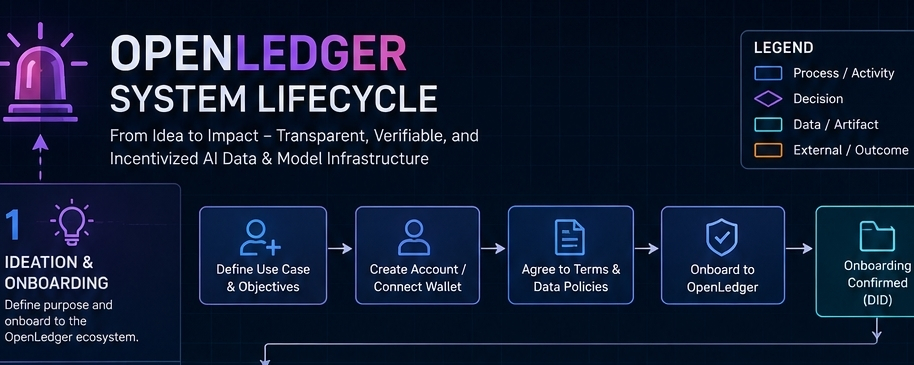
I've been digging into OpenLedger ($OPEN) lately, and it’s one of those projects that genuinely makes me think about where AI and crypto are heading together. As someone who follows both spaces closely, I wanted to share my balanced take based on what I’ve observed on-chain and in the broader ecosystem. No hype, just honest reflections after spending time reviewing the data.
Lately I’ve been asking myself: in an AI world run by big tech giants, can a blockchain actually help everyday contributors get fairly rewarded for their data, models, or agent work? OpenLedger tries to do exactly that. It’s an EVM-compatible chain on the OP Stack, launched mainnet in late 2025, designed specifically for tracking AI contributions on-chain through things like Proof of Attribution. I see real potential here for turning AI participation into something more transparent and monetizable.
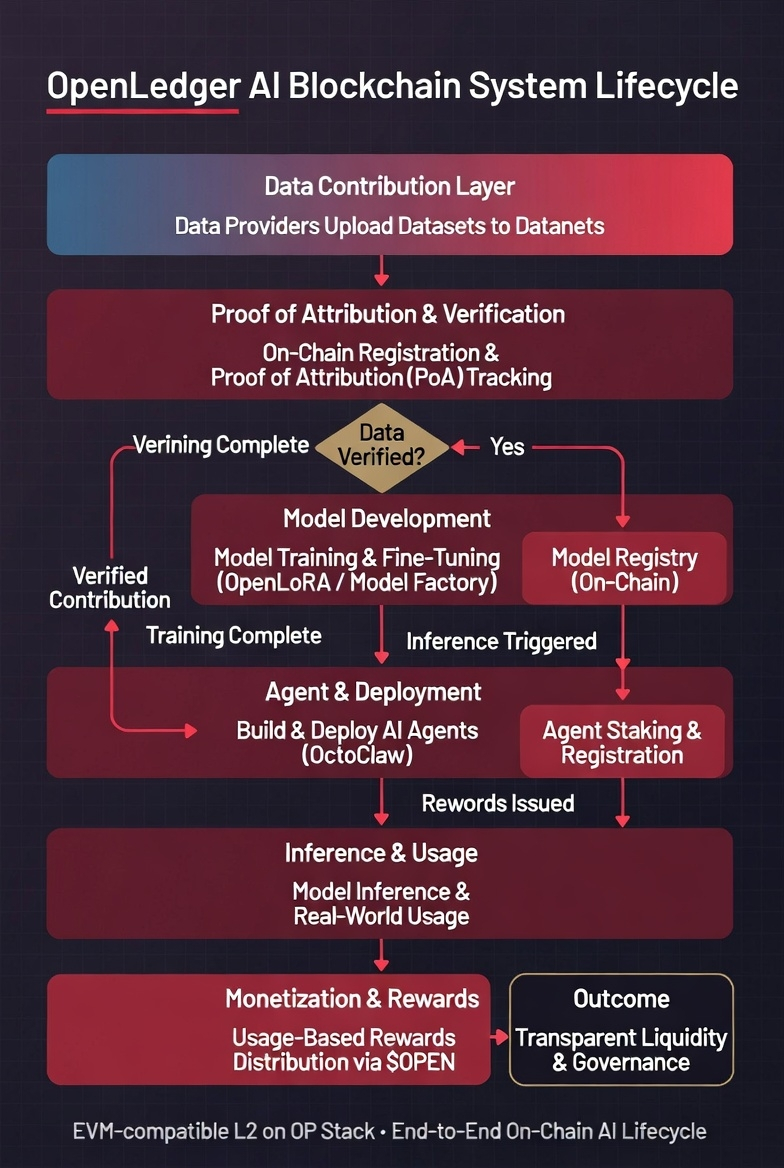
Looking at the on-chain activity, things are still in early stages but show steady foundational usage. Daily active addresses hover around 1,200–1,300 recently, with gradual growth since mainnet. Transaction volumes have stabilized, mostly from token movements and basic interactions rather than massive AI compute loads yet. Interestingly, TVL sits near zero because the focus is more on attribution fees and agent execution than liquidity pools. It feels like a protocol still building its core network effects.
On the trading side, I notice consistent interest with 24h volumes often landing between $12M and $28M — solid relative to its roughly $45M–$65M market cap. Most activity happens on centralized exchanges, which makes sense for an newer project still finding its feet. Holder distribution shows some concentration from early unlocks, which is typical but worth watching as more supply enters circulation over time. Overall, it points to engaged participants without wild retail frenzy.
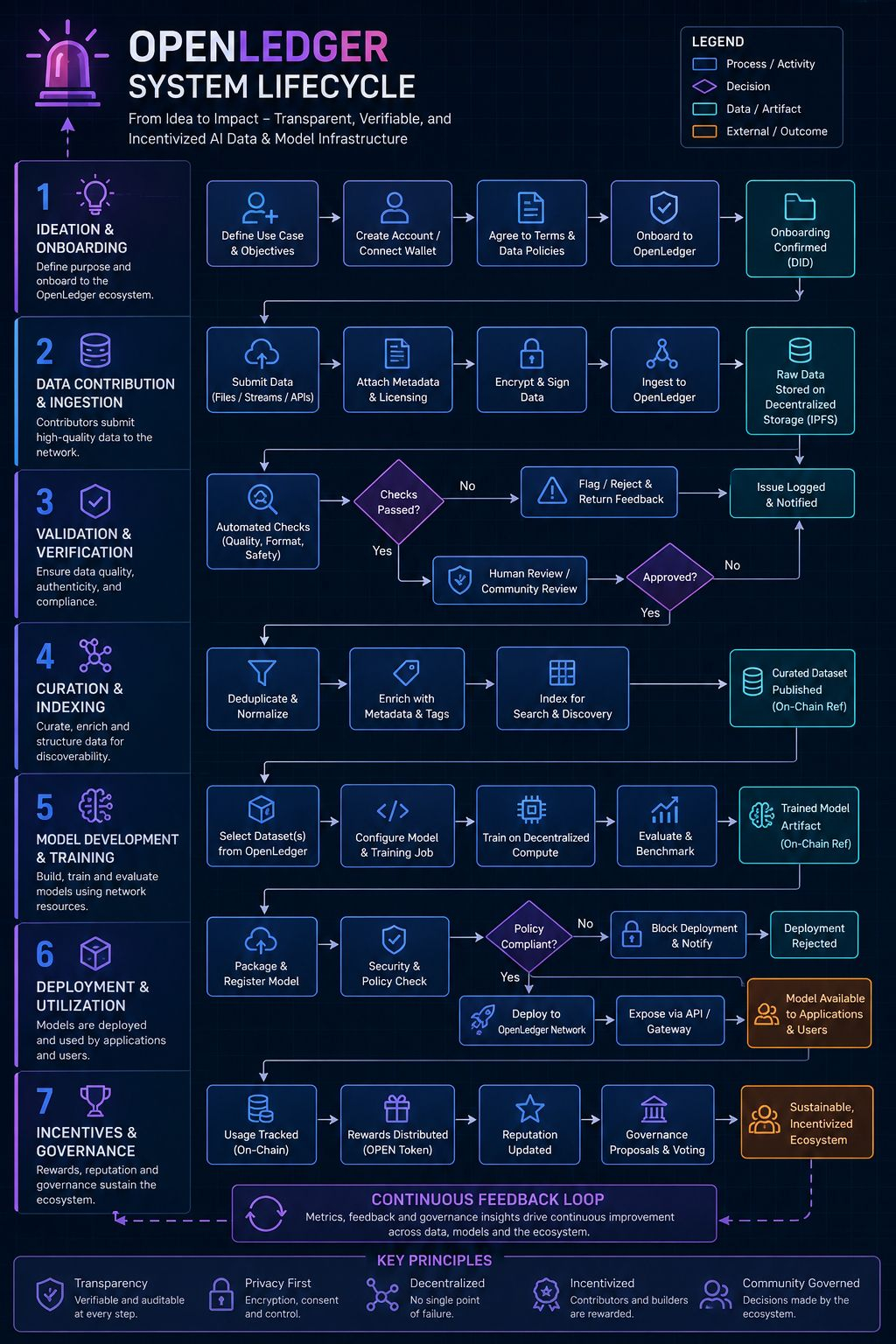
What draws me to OpenLedger is how it fits into the bigger picture of decentralized AI. With growing concerns around data ethics and black-box models, there’s genuine tailwind for projects offering verifiable attribution and on-chain agent tools. Their recent OctoClaw release for building agents in real time feels practical. That said, competing against general L2s and established AI-crypto players means they’ll need strong adoption to stand out — macro tech sentiment can swing both ways here.
No project is without challenges, and I see a few worth noting:
The early-stage nature of their attribution system could face hurdles scaling real AI workloads efficiently.
Upcoming token unlocks (with only ~22% circulating at launch) may create sell pressure later in 2026 as team and investor portions vest.
Success heavily depends on broader AI sector momentum — slow user growth could limit fee generation in a crowded field.
These are observable realities, not deal-breakers, but important to track.
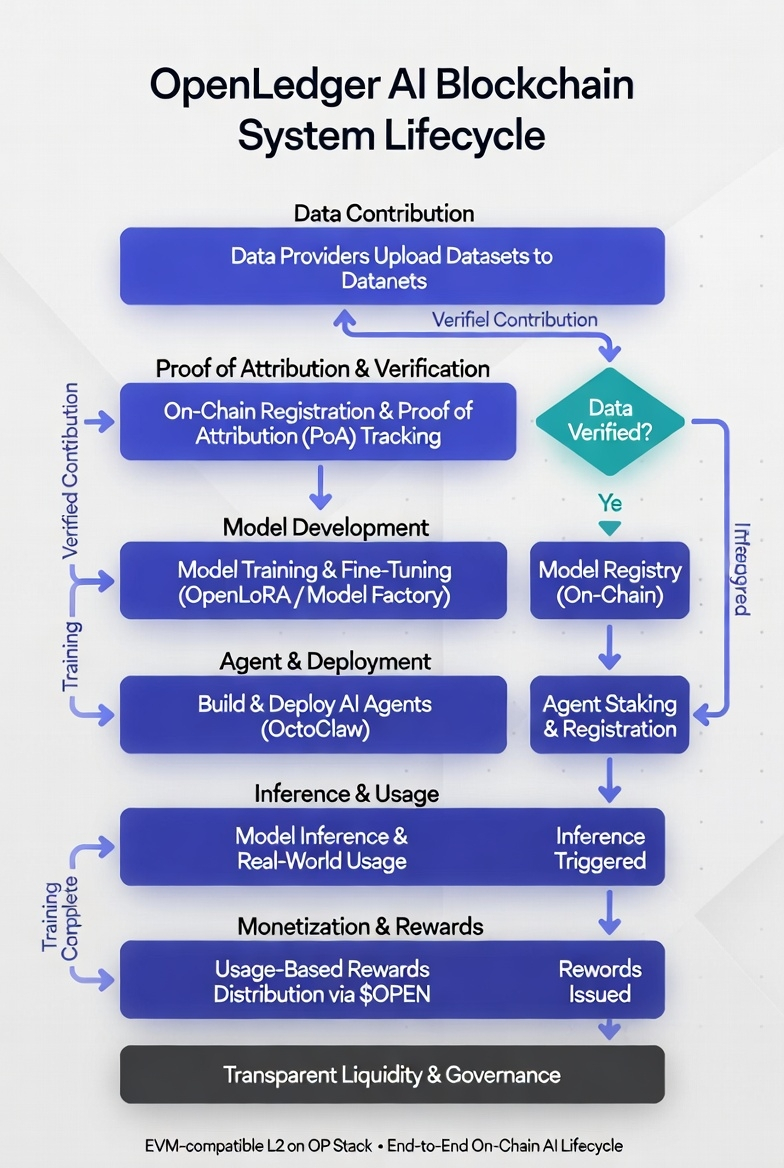
Putting it all together, OpenLedger stands out to me as a thoughtful infrastructure play that could help make AI more open and rewarding for contributors. While metrics show it’s still maturing, the focus on real problems like attribution feels timely and valuable. The biggest counterpoint is whether a specialized chain can gain enough traction against bigger platforms.
Always do your own research — this is not financial advice.
#OpenLedger #OPEN #DeAI #AICrypto #BlockchainThoughts @OpenLedger $OPEN
