
I was sitting at my desk last night, staring at my phone after another long scroll through feeds full of AI-generated images and predictions. It struck me how quietly we've handed over parts of our thinking to these systems, trusting them to filter, suggest, and decide what matters. No grand ceremony, just convenience settling in.@OpenLedger
That same unease followed me when I opened Binance Square to handle the CreatorPad campaign task for OpenLedger. While navigating the submission interface and reaching the section where you link blockchain data verification with AI processing modules, something clicked uncomfortably. The screen prompted for specific parameters on how AI would handle ledger transparency, and in that moment it hit me: we're building bridges between blockchain and AI not to enhance decentralization, but to quietly accept that pure transparency might be incompatible with how advanced intelligence actually works.$OPEN
This isn't the story we usually tell ourselves in crypto. The dominant belief is that blockchain makes everything verifiable, immutable, and open, while AI adds superhuman efficiency. Together they should create perfect trust machines. But what if the real bridge reveals the opposite? What if combining them forces us to admit that effective AI needs controlled, sometimes obscured data flows to avoid paralysis or exploitation, undermining the "everyone can audit everything" ideal that crypto holds sacred.
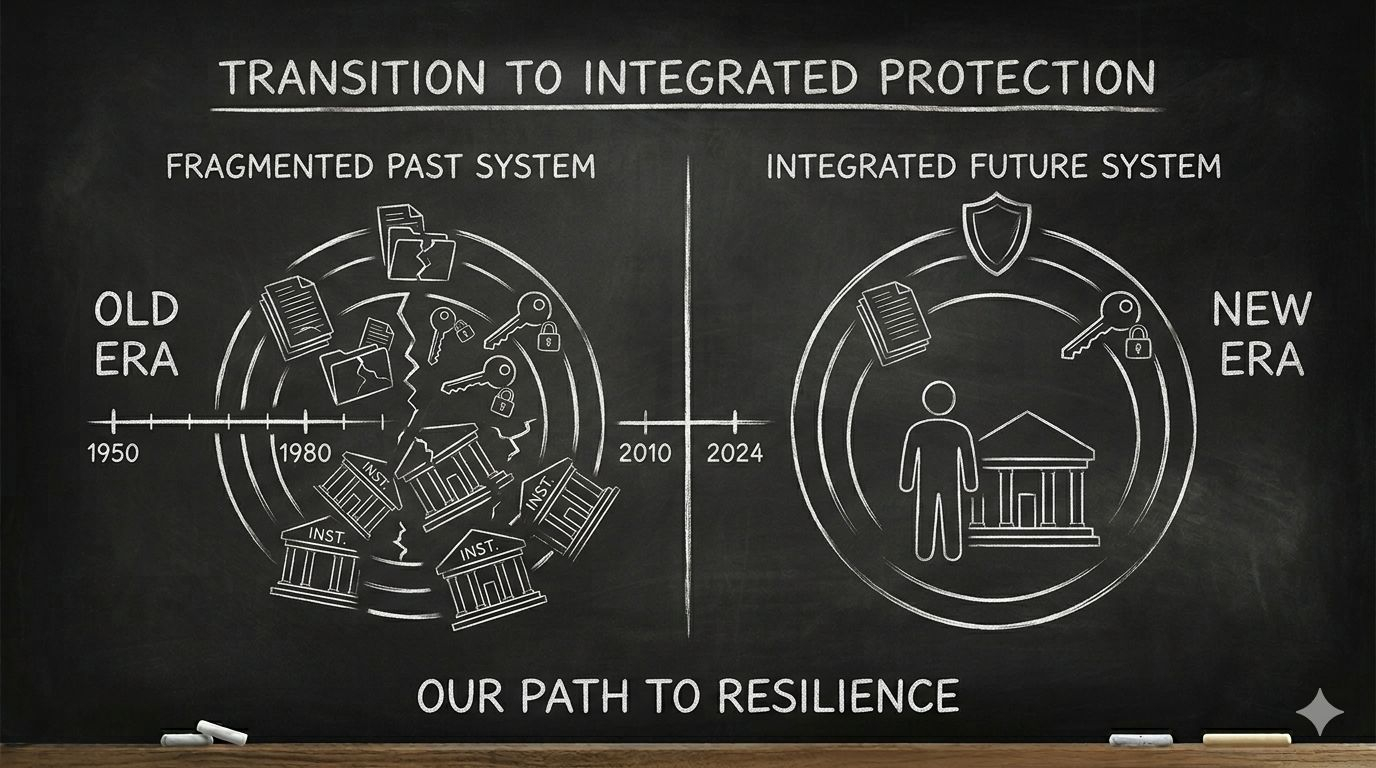
OpenLedger serves as a living example here. As they connect decentralized ledgers with AI innovation for smarter data handling, the integration shows how AI doesn't just read blockchain — it needs structured access, pattern recognition that benefits from selective curation. This isn't failure; it's a correction. We've romanticized blockchain as a total transparency engine, but real-world intelligence, whether human or artificial, thrives on layers — some visible, some protected. Pushing full openness onto AI systems could make them vulnerable, slow, or easily gamed.
The discomfort runs deeper. Many in crypto treat decentralization as a moral absolute, almost a religion. Yet projects attempting these bridges, like OpenLedger, expose how AI's strength lies in its ability to operate across probabilistic models rather than rigid, fully public chains. This challenges the notion that more transparency always equals more freedom. Sometimes it equals more noise, more attack surfaces, or decisions diluted by consensus theater. The task of documenting this bridge made me confront how innovation here might require compromising on ideological purity for practical power.
We're not abandoning blockchain principles. We're discovering their limits when meeting technologies that learn and evolve differently. OpenLedger's approach doesn't shout revolution — it quietly demonstrates that bridging means translation, not domination. AI brings predictive capability and automation that raw ledgers lack, while blockchain offers the anchor of verifiable history. The tension between them is where the real value sits, not in seamless harmony.
This leaves me wondering: if the most valuable blockchain-AI systems end up being those that intelligently hide certain processes rather than exposing all, are we ready to update what we consider "true" decentralization? @OpenLedger #OpenLedger $OPEN