The rapiD evolution of AI is reshaping the digital world faster than most people realize. Every day we rely more on intelligent systems to filter information, generate content, predict outcomes, and influence decisions.
At the same time, blockchain technology continues pushing the idea of transparency, decentralization, and trustless verification. For years, the crypt0 industry believed these two technologies would combine perfectly to create a smarter and more open future.
But while exploring the CreatorPad campaign by OpenLedger, I started thinking differently about the relationship between blockchain and AI.
The deeper I looked into decentralized AI infrastructure and smart ledger integration, the clearer it became that the future may not be about unlimited transparency. Instead, it may depend on balancing openness with intelligent control.
Blockchain technology was designed to create immutable and publicly verifiable systems.
Every transaction, record, and interaction can be audited on-chain.
This creates trust without relying on centralized authorities. AI, however, works differently.
Advanced AI systems depend on structured data access, optimized processing, adaptive learning, and pattern recognition. Too much uncontrolled transparency can actually reduce efficiency, create vulnerabilities, and expose systems to manipulation or exploitation.
This is where OpenLedger becomes interesting.
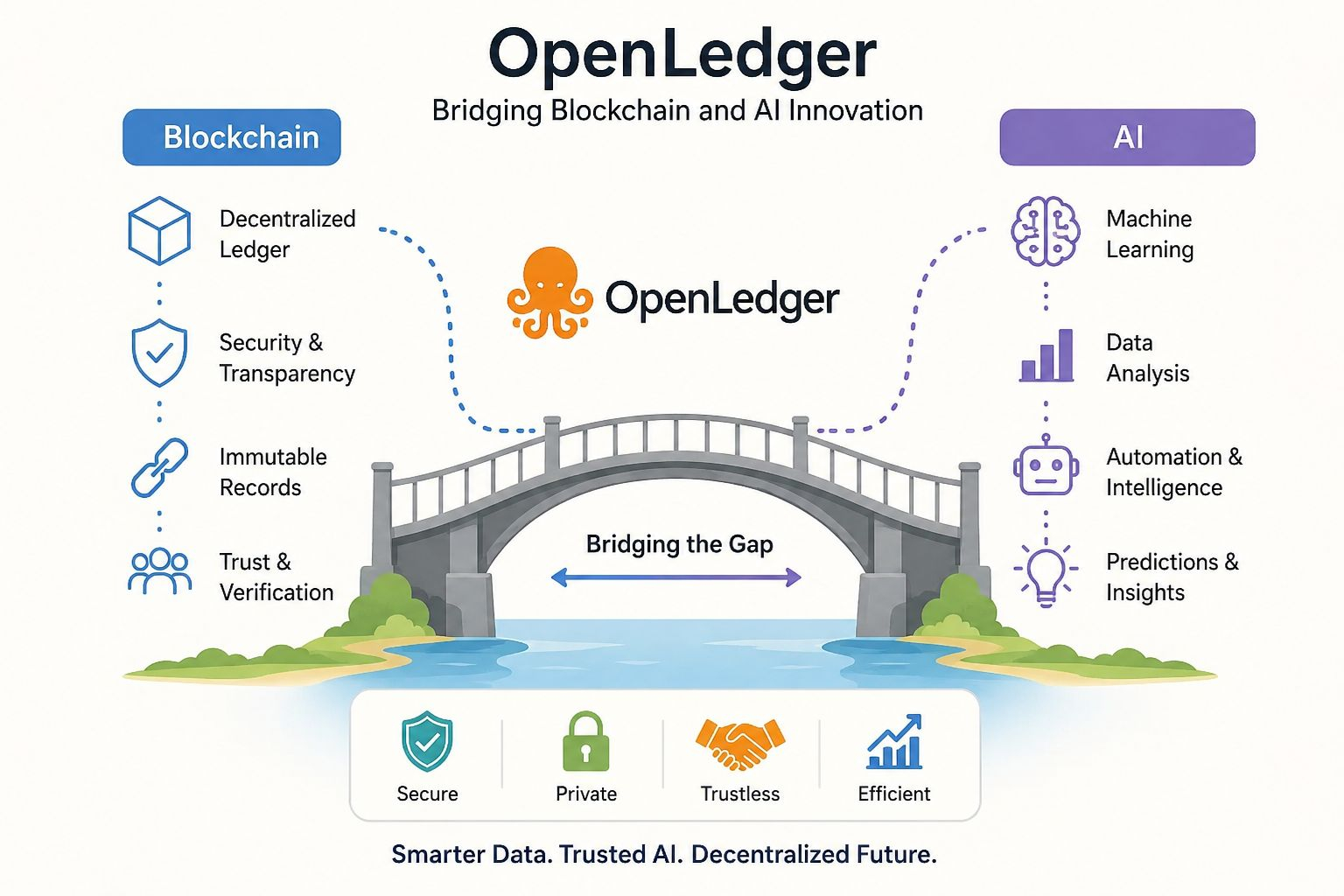
OpenLedger is not simply combining AI with blockchain for hype. It is building a bridge between decentralized infrastructure and intelligent AI-powered data systems.
The project highlights how blockchain can provide secure verification and trusted historical records, while AI introduces automation, predictive analytics, scalability, and smarter decision-making.
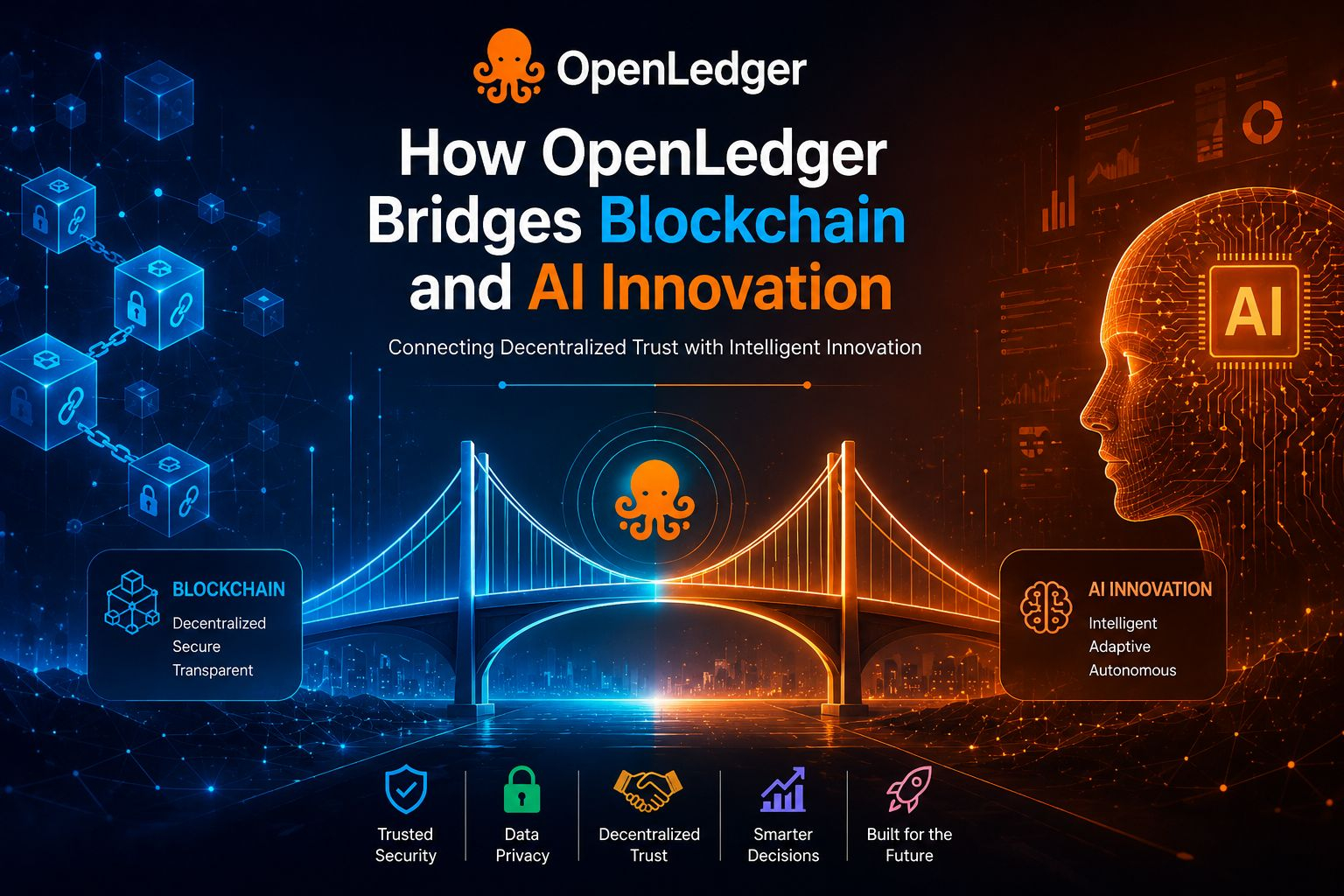
What makes this powerful is the realization that decentralization does not always mean exposing every layer publicly.
AI systems often require selective visibility, protected computation models, and curated data environments to function effectively. If every process becomes fully open, malicious actors can exploit patterns, manipulate outputs, or overload systems with noise.
That creates an uncomfortable but important discussion for the future of Web3.
For years, crypto communities treated transparency as an absolute principle.
But AI innovation shows that intelligent systems thrive through adaptive structures rather than rigid public exposure.
The real challenge is not choosing blockchain or AI over the other it is learning how both technologies can complement each other without sacrificing performance, security, or trust.
OpenLedger demonstrates that the future of decentralized AI will likely depend on balance. Blockchain offers accountability, immutability, and verifiable trust. AI contributes intelligence, automation, learning capability, and predictive power. Together, they can create systems far more advanced than traditional Web2 platforms.
The future of Web3 AI may not belong to projects chasing perfect transparency. It may belong to platforms capable of combining privacy, scalability, decentralization, and intelligent automation in sustainable ways.
That is why OpenLedger stands out. It quietly reveals that bridging blockchain and AI is not about forcing harmony between two ideologies it is about creating a smarter framework where both technologies strengthen each other.
Maybe true decentralization is not about exposing everything. Maybe it is about ensuring fairness, security, trust, and intelligent coordination in a world increasingly driven by AI.