
I was sitting at my desk in Islamabad this morning, watching my young nephew argue with a voice assistant over whether sharing his drawings online was safe. The machine promised privacy but kept suggesting “community features” that blurred lines. It wasn’t dramatic, just quietly unsettling—like realizing the tools we trust with children’s curiosity might not deserve it.
Later, while completing the OpenLedger campaign task on CreatorPad, I clicked through the content approval workflow. That single moment of selecting the “Transparency Ledger Entry” field on the submission screen made something click. It forced me to log not just the post idea, but the exact data sources and decision points behind it. Suddenly the comfortable crypto assumption I’d carried for years felt shaky.
We keep repeating that decentralization equals freedom and that open ledgers automatically create trust. But what if the opposite is closer to truth? What if real ethical artificial intelligence demands visible, enforceable accountability that pure decentralization struggles to deliver?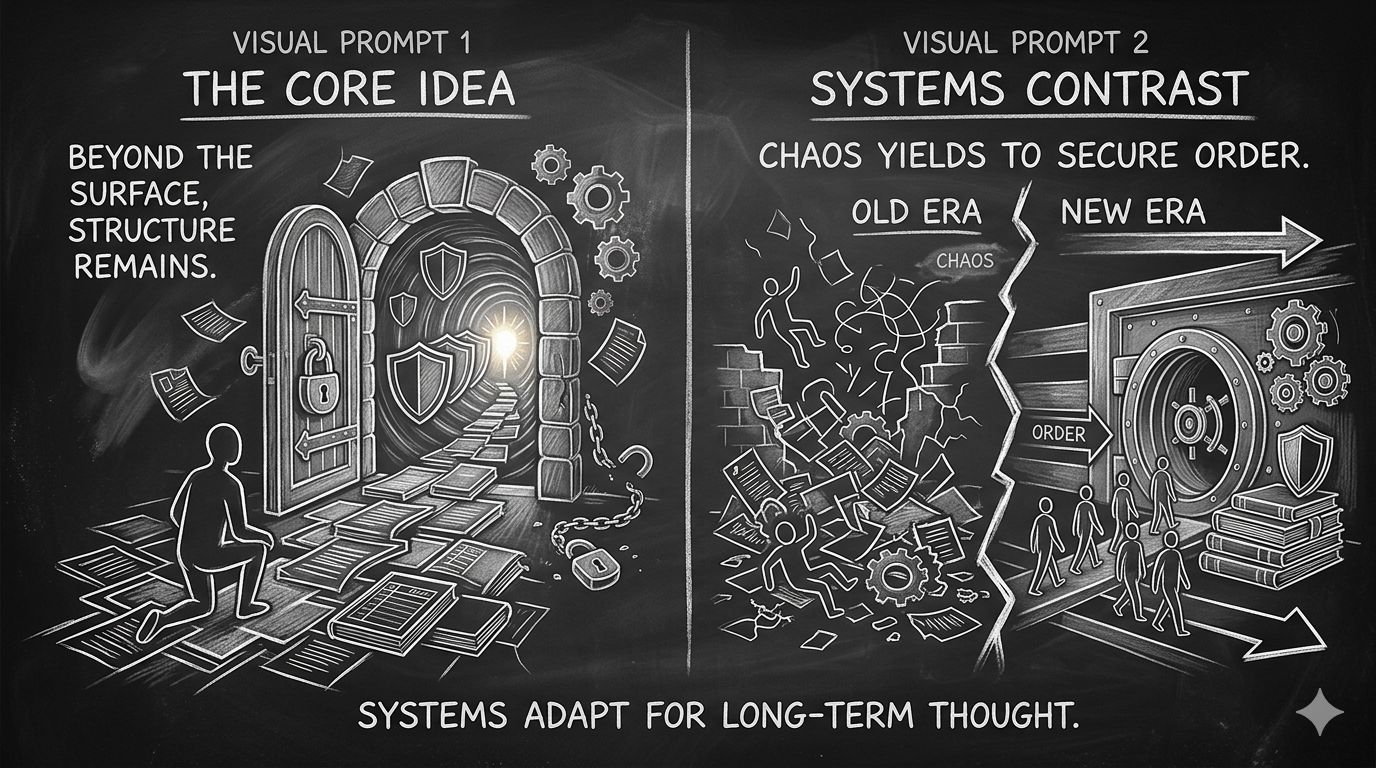 @OpenLedger
The discomfort comes from seeing how easily we hide behind code. In most crypto projects, once something is on-chain, the conversation ends. “It’s decentralized, so it’s fair.” Yet when AI systems start influencing lending decisions, content moderation, or even identity verification, hiding the training data or the weighting logic behind anonymous nodes creates new shadows. The ledger might be open, but the ethics inside the models often aren’t. Someone still designs the parameters. Someone still chooses what “fair” means. Pretending the network magically solves moral questions is convenient, but it risks turning our tools into quiet authorities without responsibility.$OPEN
OpenLedger stands out here not because it promises another revolution, but because its approach quietly exposes this tension. By requiring creators to attach ethical metadata directly to ledger entries, it makes the human choices visible again. It doesn’t eliminate decentralization—it layers a different kind of scrutiny on top. That friction is what disturbed me. We’ve spent years celebrating how crypto removes gatekeepers. Now we’re discovering that for AI to behave ethically, we might need new kinds of gatekeepers who can be seen and questioned.
This isn’t about returning to old centralized banks or tech giants. It’s about admitting that pure anonymity in decision-making systems can become its own form of unaccountable power. When an AI model trained on pooled blockchain data makes a biased call, who do you appeal to? The smart contract doesn’t feel guilt. The anonymous contributors scattered across the world don’t answer support tickets. The transparency that OpenLedger tries to enforce forces us to confront this gap between technical openness and moral clarity.
I’ve always believed crypto’s greatest strength was removing trust from equations. Today I’m less sure. Maybe the next evolution requires putting carefully structured trust back in—transparent, auditable, but undeniably human. The ledger becomes less of a final judge and more of a permanent record of our imperfect choices.
What happens when we finally admit that some forms of ethical oversight cannot be fully decentralized without losing their meaning? #OpenLedger @OpenLedger $OPEN
