


The AI narrative within the crypto ecosystem is undergoing a quiet but radical transformation. For too long, the space has been trapped in a recycled loop.attach a token to an AI product, market it under the banner of "decentralization" and brand it a new category.
However, a deeper look at projects like #OpenLedger reveals a fundamentally different conversation. The core innovation here isn't the underlying blockchain itself, rather, it is the pursuit of living intelligence AI that stays in motion rather than becoming frozen after deployment.
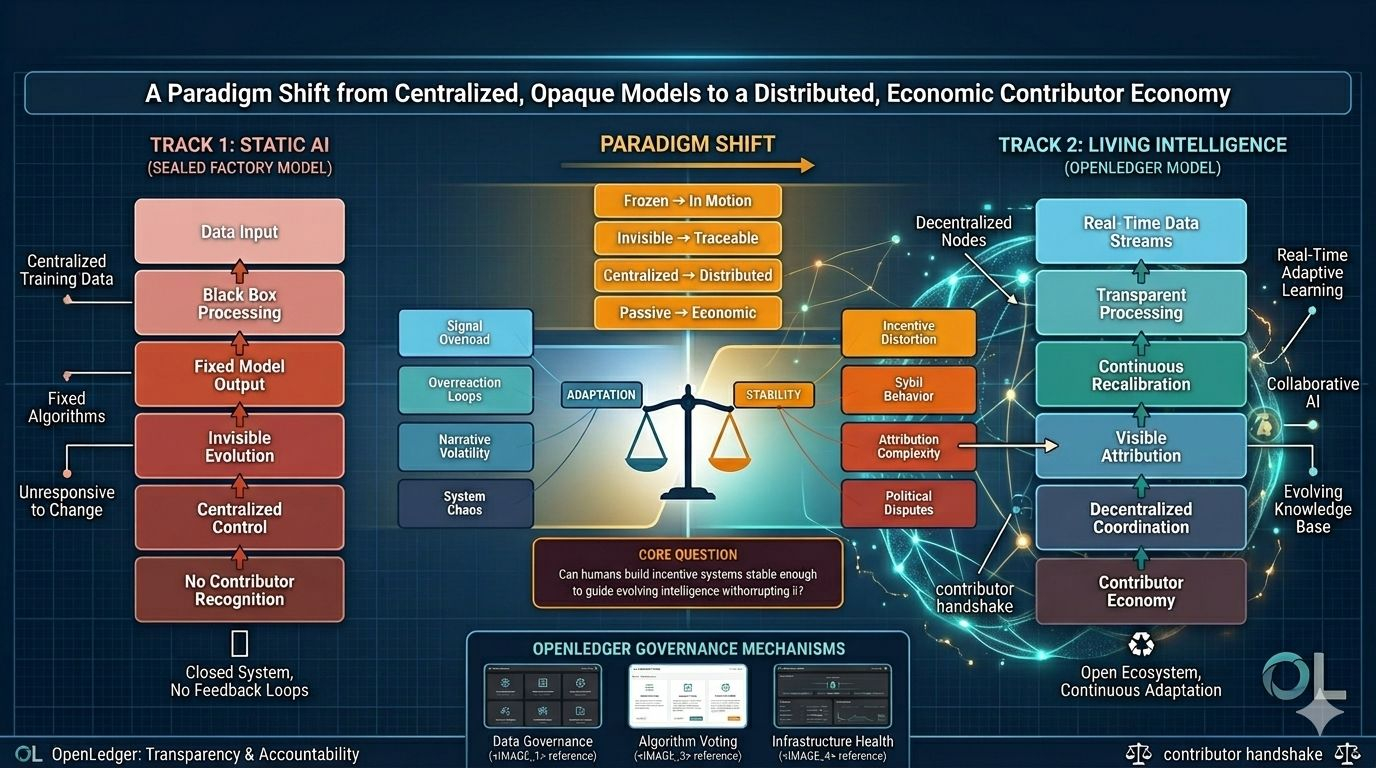
Traditional AI systems operate like sealed factories.Data enters, responses exit and the internal evolution remains entirely invisible. OpenLedger reframes AI infrastructure by treating intelligence as an active flow system. Instead of static models, it envisions a live ecosystem where data, contributors and models continuously calibrate one another in real time. This dynamic adaptation is powerful, but it introduces a critical vulnerability. live systems become unstable easily. Much like Formula 1 teams navigating continuous telemetry, AI networks must balance adaptation with stability. Reacting too aggressively to every minor data fluctuation causes strategy to collapse into chaos.
As crypto markets mature and capital becomes more selective, the industry is shifting away from pure speculation toward infrastructure ownership narratives. In this climate, OpenLedger’s focus on attribution layers becomes highly relevant. In traditional AI environments, data creators rarely receive visibility or long-term value capture. By building a system where contribution is tracked, verified and financially rewarded, information is transformed into an asset class with traceable influence. This aligns incentives across data providers, model trainers and network participants simultaneously, pushing the ecosystem past superficial narrative hype into sustainable utility.
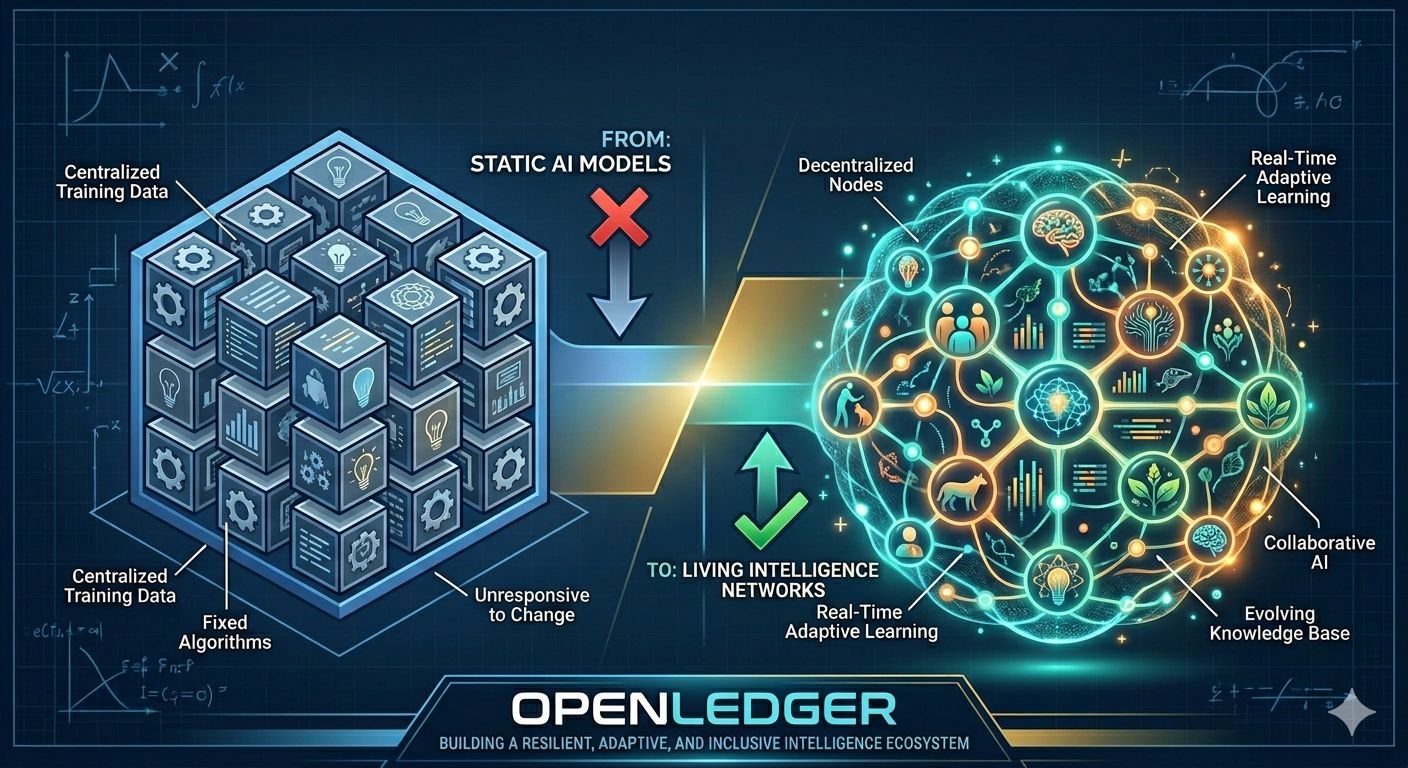
While economically coordinated intelligence sounds promising, the practical execution gets messy fast. Measuring human contribution fairly is a notoriously non-linear challenge. A single, distinct dataset might spark massive downstream improvements months later, while thousands of other submissions add no value at all. Once financial rewards are tied to contribution, several systemic risks emerge. Participants begin optimizing for token rewards rather than data quality, Sybil attacks threaten network inttraine and coordination costs rise exponentially. Crypto has seen this script play out before through liquidity mining and governance farming. While market growth can temporarily hide these structural weaknesses, stress conditions inevitably expose the divide between artificial activity and genuine network value.
Ultimately, the biggest shift tracking toward the future of $OPEN is psychological. We are moving away from treating AI like a simple vending machine where you insert a prompt and extract a static response. We are entering an era of intelligence connected to incentives, reputation, and live economic behavior. This creates massive opportunities, but it also creates profound fragility. The ultimate question for the future of decentralized AI is no longer whether machines can think, but whether humans can design incentive structures stable enough to guide evolving intelligence without corrupting it.
