
Lately I’ve been thinking about how we all quietly accept little lies in everyday life. Like when a friend says “I’m fine” but you can see the exhaustion in their eyes, or when an app promises your data is safe while another breach makes the news. We move on because questioning everything is exhausting. This morning, that same quiet unease followed me as I sat with my coffee in Islamabad, phone in hand.$OPEN
I was on Binance Square doing the CreatorPad campaign task for OpenLedger and the Next Generation of Verifiable AI Systems. While navigating the submission interface and selecting the verifiable computation field, something clicked in an uncomfortable way. The simple act of tagging content around proof mechanisms forced me to confront how much of our crypto conversations still float on trust rather than evidence.@OpenLedger
The idea that disturbed me is this: the crypto space proudly claims to be trustless, yet most projects and participants still demand belief in promises that can’t be independently checked in real time. Verifiable systems expose that gap more sharply than anything else. We built an industry around removing middlemen, but many of us remain comfortable with unverifiable narratives as long as they align with our bags or our tribe. OpenLedger doesn’t let that slide easily. By focusing on verifiable AI, it quietly insists that computation itself must leave a transparent trail. That requirement feels risky to admit because it suggests our beloved decentralization has been partly performative.
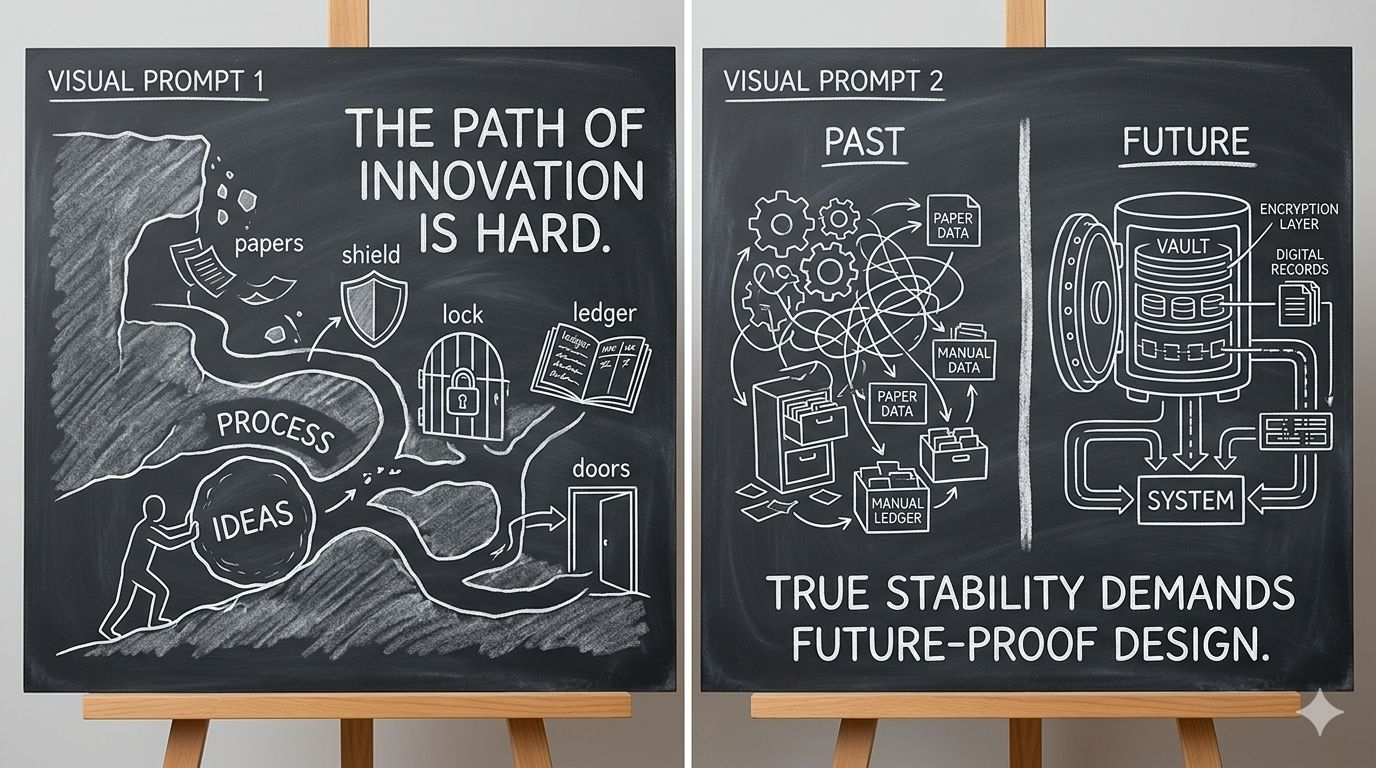
Stepping back, this goes beyond one project. In traditional finance, we accepted opaque systems because regulators and institutions supposedly watched over them. In crypto we rejected that model, but replaced it with something equally faith-based: whitepapers, founder reputation, and community sentiment. When AI enters the picture, the stakes rise. AI models make decisions at speeds and scales humans can’t manually audit. Without verifiable layers, we risk creating new black boxes inside the very systems meant to eliminate them. The uncomfortable truth is that real progress might require us to accept more scrutiny than the average crypto user wants to face. Anonymity and pseudonymity have their place, but they can also shield sloppy or misleading claims.
OpenLedger serves as a practical example here, not as a savior story. Its approach to verifiable AI systems forces participants to think about what “truth” actually means when machines are involved. It doesn’t promise utopia; it just makes certain claims checkable. That alone challenges the common belief that faster innovation always comes from looser rules. Sometimes it requires tighter, more rigorous ones.
I’m left wondering, though: if more of us embraced verifiable systems instead of just talking about them, would the crypto space become stronger, or would it scare away the dreamers who prefer beautiful uncertainty over provable reality? @OpenLedger $OPEN #OpenLedger