
@OpenLedger You know how crypto kind of stumbled into something bigger than just money?
Nobody sat down and said “let’s turn capital into reputation.” But that’s exactly what happened. Over time, your wallet history, how you move liquidity, whether you show up for governance votes, even the weird hours you trade all of that became signals. People started using those signals to decide if someone was worth trusting inside a network. No committee voted on it. No whitepaper predicted it. It just grew organically because once activity is transparent and sticks around long enough, humans can’t help but read character into it.
I think the same thing is about to happen with AI systems. Not because someone plans it perfectly, but because it’ll become necessary. And that’s why OpenLedger started feeling different to me compared to most of the AI infrastructure projects getting hyped right now. Most people are still obsessed with raw capability faster outputs, smarter models, agents that can trade better than you. That stuff is easy to sell, so markets naturally chase it. But here’s what actually happens once those AI systems start living inside financial infrastructure day after day: you stop caring as much about how “intelligent” they are. What you really start caring about is whether they behave consistently, whether their history shows reliability, whether they’ve ever done something sketchy, and — this is the big one whether they deserve to keep having access to the coordination layers that make them useful in the first place.
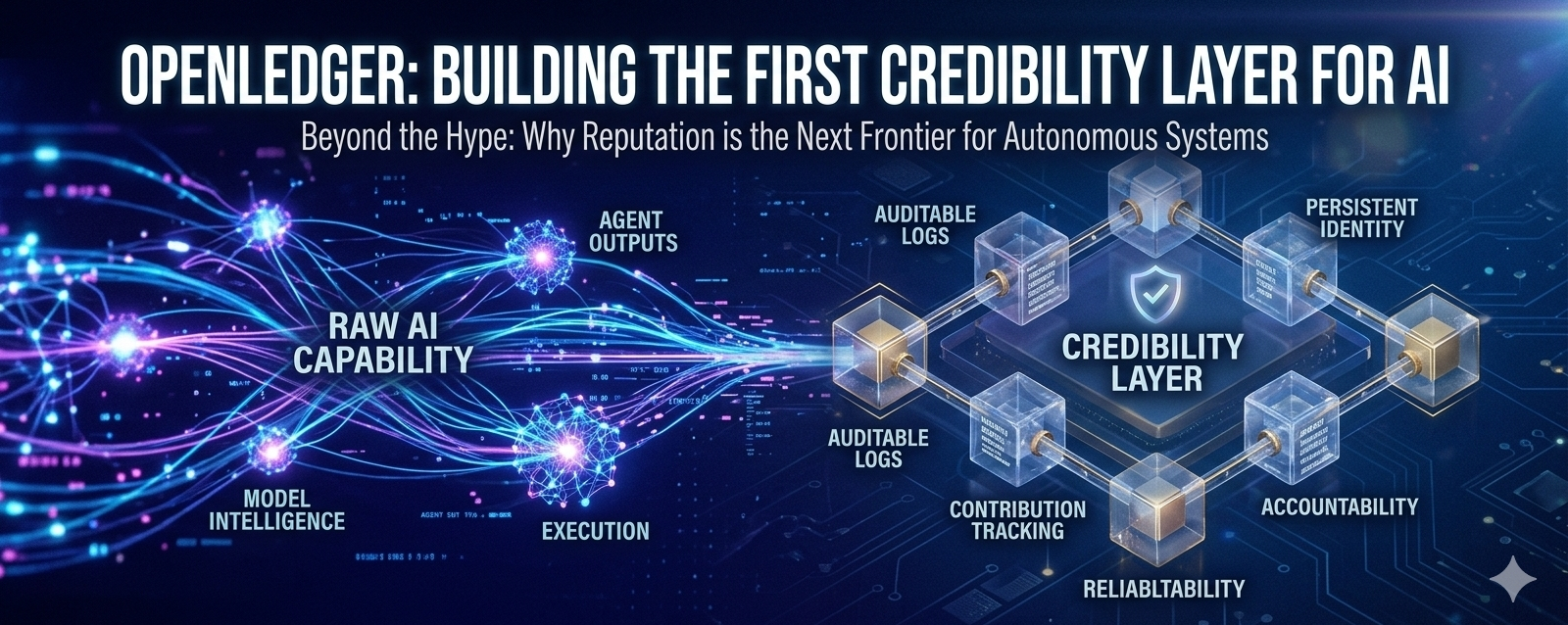
That’s a much deeper problem than the current AI conversation in crypto wants to admit. We’re not just talking about better models. We’re talking about persistent identity, contribution tracking that actually means something, execution logs you can audit, and accountability layers that aren’t just vibes. These things become economically essential the moment autonomous systems stop being cute assistants and start showing up as participants in real digital economies. And right now, most projects are still running the feature race who has the smartest agent, who can generate the most outputs, who looks shiniest on a demo day. OpenLedger honestly feels like it’s getting ready for a different world. A world where reputation attaches to machine behavior the same way it attached to wallet addresses, and where the networks that manage that credibility end up mattering more than the models themselves. If that shift actually happens — and I think it will, messily and organically — the projects that built the trust layer first are going to look like the obvious winners in hindsight.