
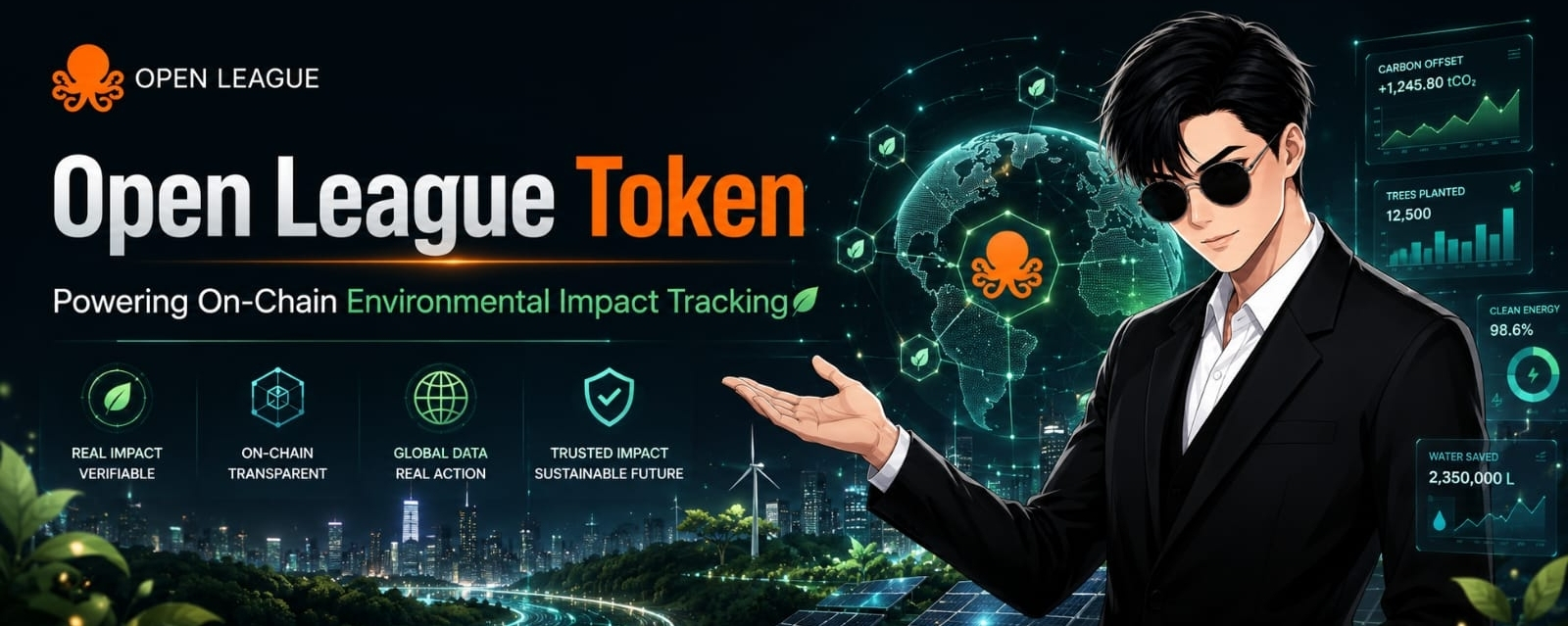
I used to think environmental progress was mostly about big promises, clean slogans, and good intentions. But the more I look at this space, the more I feel that promises are not enough anymore. We need proof people can see, records people can check, and systems that make responsibility feel real instead of just beautiful words on a screen.
That is why Open league token feels interesting to me in this kind of conversation. Not because a token alone can fix the environment, but because incentives can change what people pay attention to. When rewards only follow noise, people chase noise. But when rewards begin to follow verified impact, cleaner behavior slowly becomes part of the culture.
I think the strongest idea here is simple. Environmental impact should not stay hidden inside reports that only a few people read. It should become traceable, open, and easier for communities to understand. If a project says it reduced waste, used cleaner energy, supported recycling, or helped lower emissions, there should be a path to prove it. Not perfect proof, maybe, but better proof than blind trust.
This is where Open league token could become more than just a reward layer. It could help turn impact into something measurable. Projects, users, data providers, and reviewers could all play a role in building a cleaner record of what is actually happening. I like that idea because it does not depend only on one voice saying, “trust me.” It invites more eyes, more checks, and more shared responsiblity.
Still, I do not think this should be treated like a simple farming game. The hard part is not giving rewards. The hard part is making sure rewards go to real work. Bad data can still look clean if nobody questions it. So any serious environmental system needs review, corrections, and honest disagreement. In my view, that makes the idea stronger, not weaker, because real trust is built when claims can survive questions.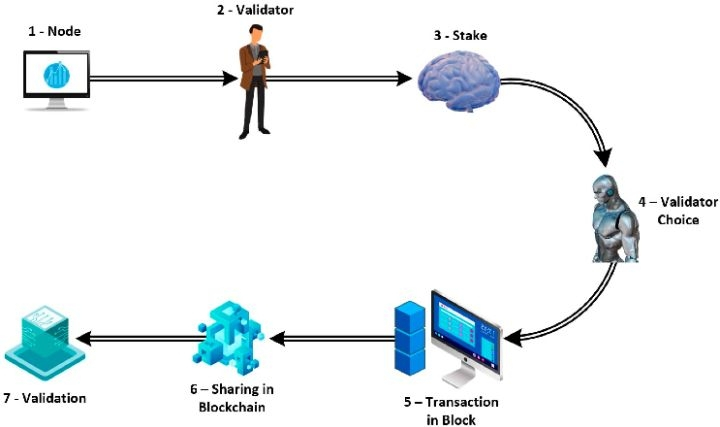
What inspires me most is the thought of impact becoming visable in the same way activity is visible. We already know how strongly rankings shape behavior. People follow what gets measured. If environmental proof, cleaner choices, and long-term improvements become part of that measurement, then we may start seeing a better kind of competition. Not just who moves fastest, but who builds with more care.
I also beleive this could help smaller contributors feel included. Sometimes the people doing useful work are not the loudest ones. They may be collecting data, checking claims, supporting cleaner actions, or helping communities understand what is real. A fair incentive system could give value to that quiet work too. That matters, because lasting change usually comes from many small efforts joining together.
For me, the real beauty of Open league token in environmental tracking is not hype. It is the possibility of making responsibility practical. It gives us a way to imagine a future where good impact is not only praised after the fact, but recorded, checked, improved, and rewarded with patience.
And maybe that is the message we need right now. We do not have to pretend every system is perfect from day one. We just need to move toward better proof, better habits, and better reasons to care. If Open league token can help make environmental impact harder to fake and easier to trust, then it can become part of something much bigger than attention. It can help us build a culture where progress has strenght, evidence, and heart.
@OpenLedger #OpenLedger $OPEN $POND $DRIFT
