
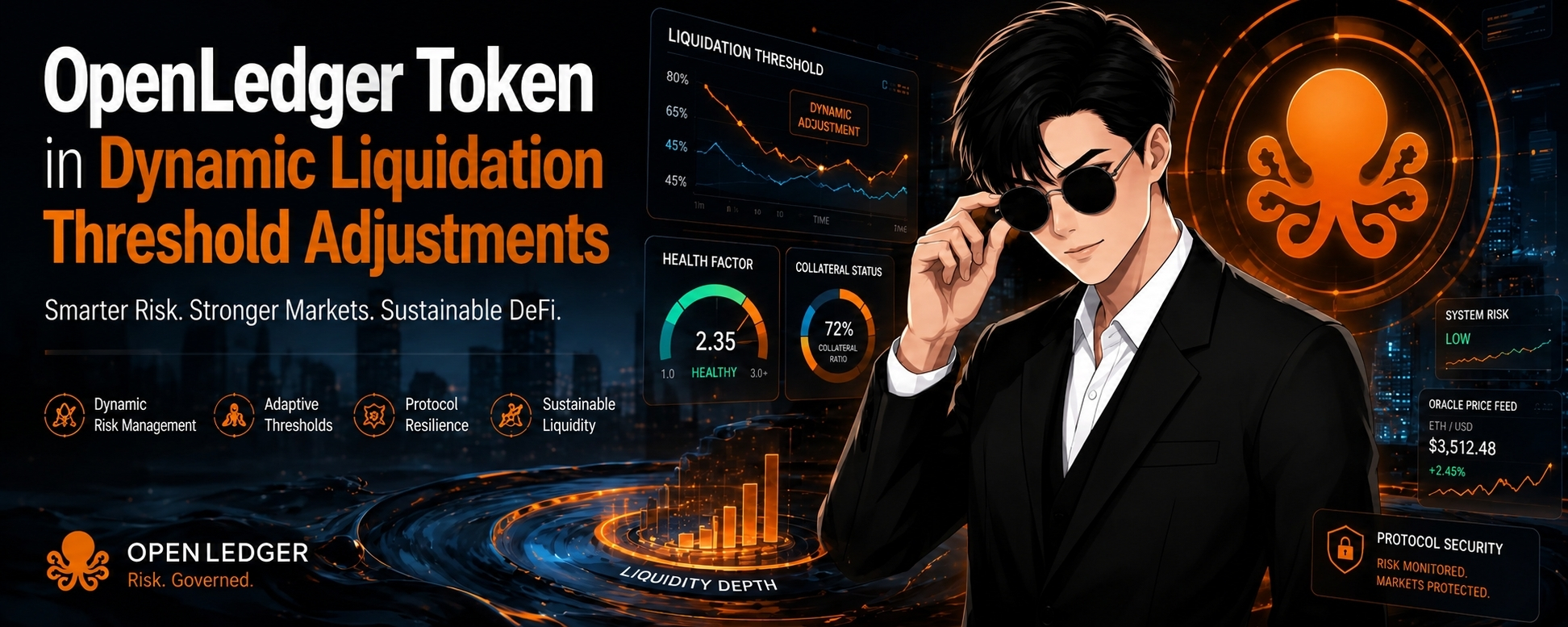
I used to think liquidation thresholds were just numbers sitting quietly inside a lending market. A line was drawn, users borrowed against collateral, and everyone hoped the market stayed calm enough to respect that line. But the more I watch how liquidity moves, the more I feel that risk does not always arrive loudly. Sometimes it comes quietely, while the dashboard still looks healthy.
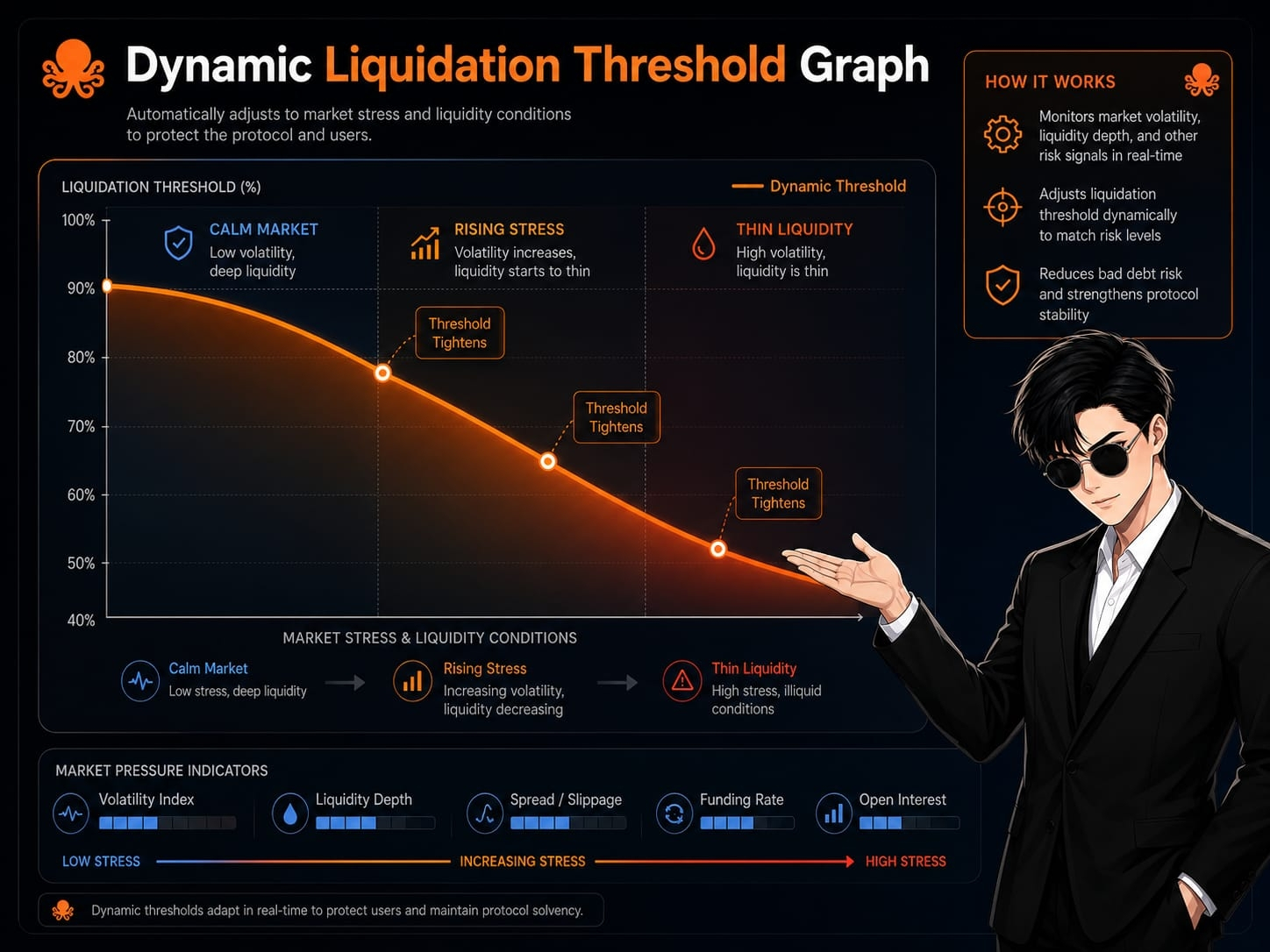
That is why Open League Token feels interesting to me in this idea of dynamic liquidation threshold adjustments. Not because it promises a perfect system, but because it can represent a more aware system. A system that does not only look at price after the pressure is already obvious, but tries to understand whether the activity behind that price is strong, stable, and real.
In lending markets, collateral can look safe when numbers are rising. More wallets, more volume, more movement, more participation. From far away, that looks like strength. But I have learned that growth needs to be tested with patience. If liquidity is only present because people are chasing rewards, then that liquidity may not stay when conditions become harder. And if it leaves quickly, borrowers can face risk faster than they expected.
This is where moving thresholds start to make sense to me. A fixed line is simple, and simplicity has value. But markets are not fixed. They breathe, stretch, weaken, recover, and sometimes react before we are ready. If liquidity becomes thinner, if exits become harder, or if collateral starts depending too much on temporary incentives, then the system should have a way to adjust before forced selling begins.
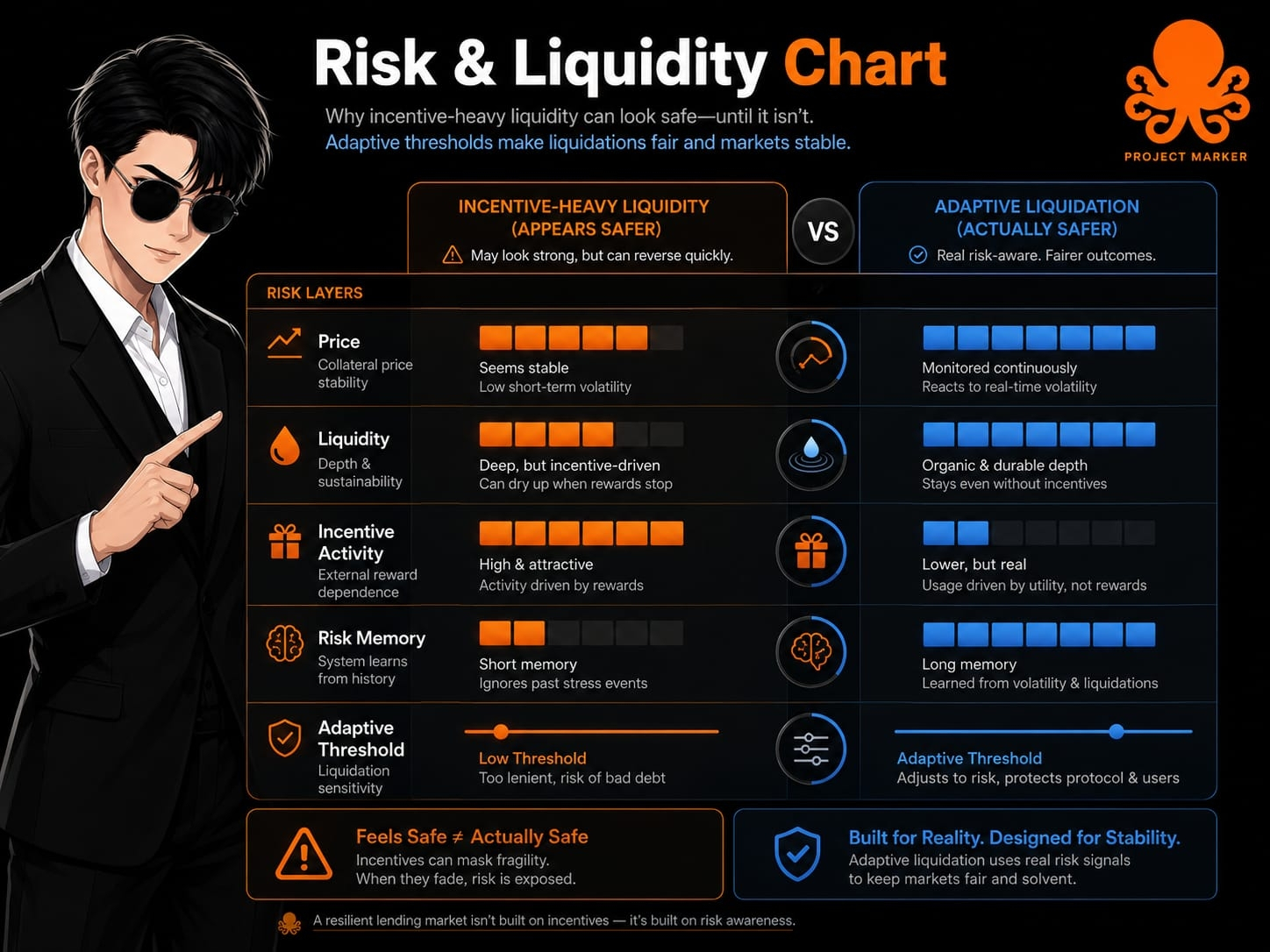
I see Open League Token as a kind of pressure reader in this story. It can help us think beyond surface activity and ask better questions. Is the volume still strong when rewards cool down? Are users staying because they believe in the market, or only because the campaign is live? Is the collateral supported by real depth, or just by borrowed confidence? These questions matter because thier answers can protect both users and the wider market.
The positive part is that dynamic liquidation thresholds do not have to feel harsh. They can become a fair warning system if they are clear, gradual, and easy to understand. A small adjustment made early can be kinder than a sudden change made too late. I think many users can accept stricter rules when the reason is visible and the timing feels respectful.
Of course, a moving rule also carries responsibility. If people cannot see why the line moved, they may feel surprised or even treated unfairly. That is why transparency matters as much as the adjustment itself. The best version of this idea is not silent control. It is honest communication, where users can see the pressure building and prepare before the market becomes emotional.
For me, the deeper lesson is about balence. Growth should be welcomed, but not blindly trusted. Incentives can bring energy, but real strength is proven when that energy remains after the easy rewards fade. A healthy lending system should not punish activity, but it should understand what kind of activity it is trusting.
I believe Open League Token becomes most powerful in this frame when it helps turn growth into a signal, not just a celebration. It reminds me that safer markets are not built by ignoring risk. They are built by noticing pressure early, adjusting with care, and giving people enough time to act with dignity. That feels truely hopeful to me, because the future of finance should not only be faster. It should be wiser, calmer, and more fair for everyone who chooses to participate.
@OpenLedger #OpenLedger $OPEN $REQ $BEAT
