
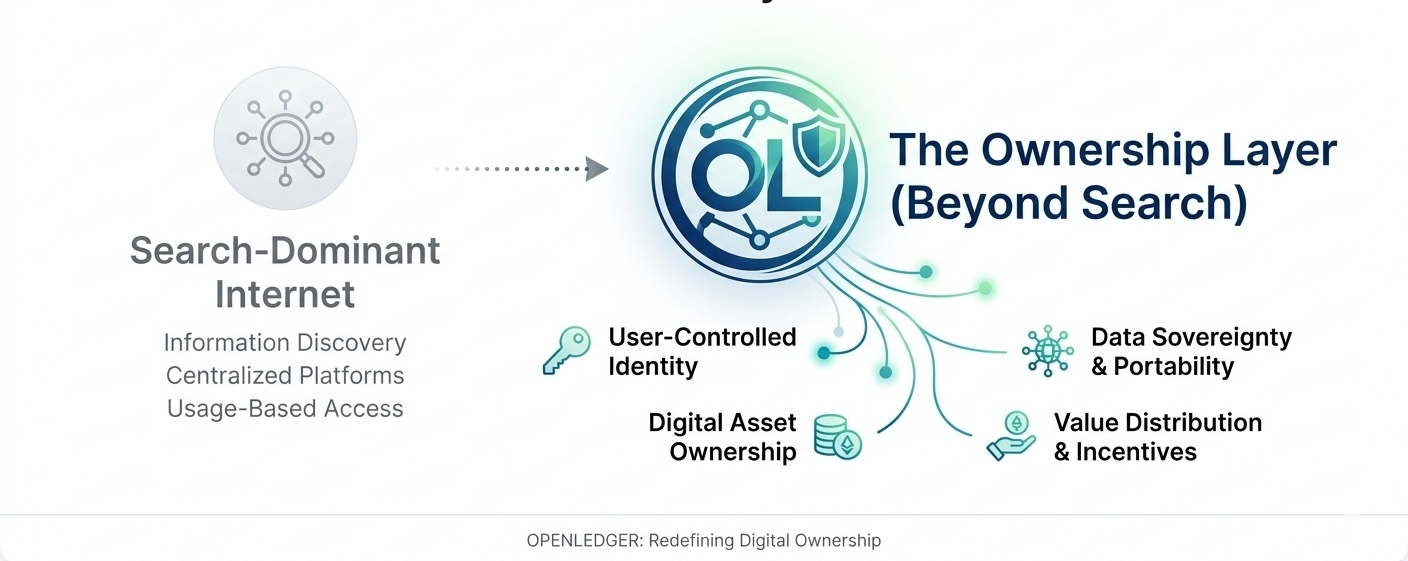
I used to think the internet’s biggest battle was over attention. Websites fought for rankings, creators chased visibility, and entire businesses were built around getting people to click one more link. For a long time, that felt like the natural economic engine of the web.
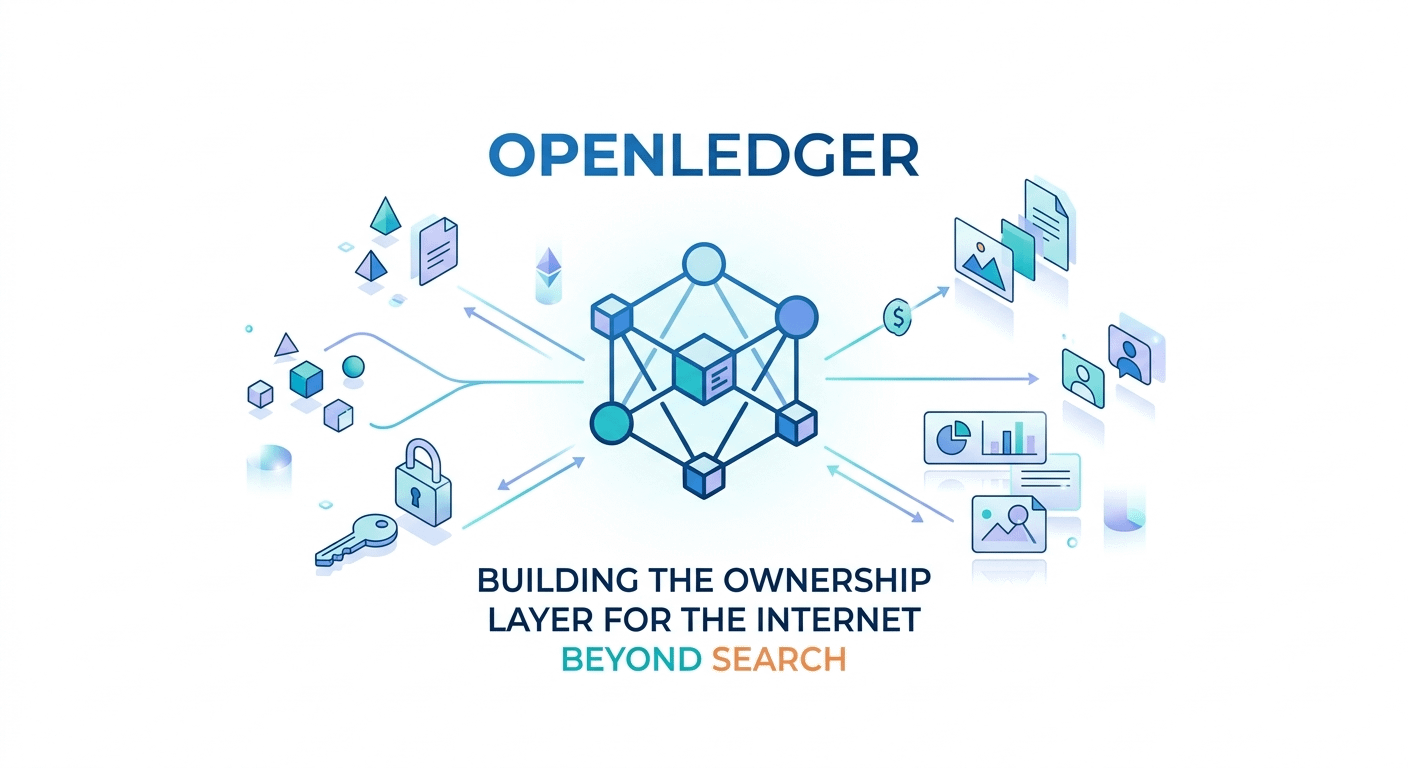
But lately, I’ve noticed something changing.
People still ask questions, yet fewer seem interested in searching. Instead of exploring multiple sources, they increasingly expect AI to deliver a finished answer instantly. At first, that felt like a simple shift in user behavior. The more I thought about it, though, the more it seemed like a change in where value actually lives.
If AI becomes the primary interface between people and information, visibility may matter less than ownership of the intelligence producing those answers. That made me look at OpenLedger differently.
What stood out to me is that the project appears less focused on content itself and more focused on attribution, contribution, and coordination inside the AI layer. In a world where users rarely see the original source, the question becomes who remains economically visible when knowledge is packaged into an output.
That feels like a much deeper infrastructure problem than most AI narratives discuss.
The challenge, of course, is whether people care enough about ownership for this model to matter. Convenience has historically beaten attribution, and incentives can easily distort contribution quality over time.
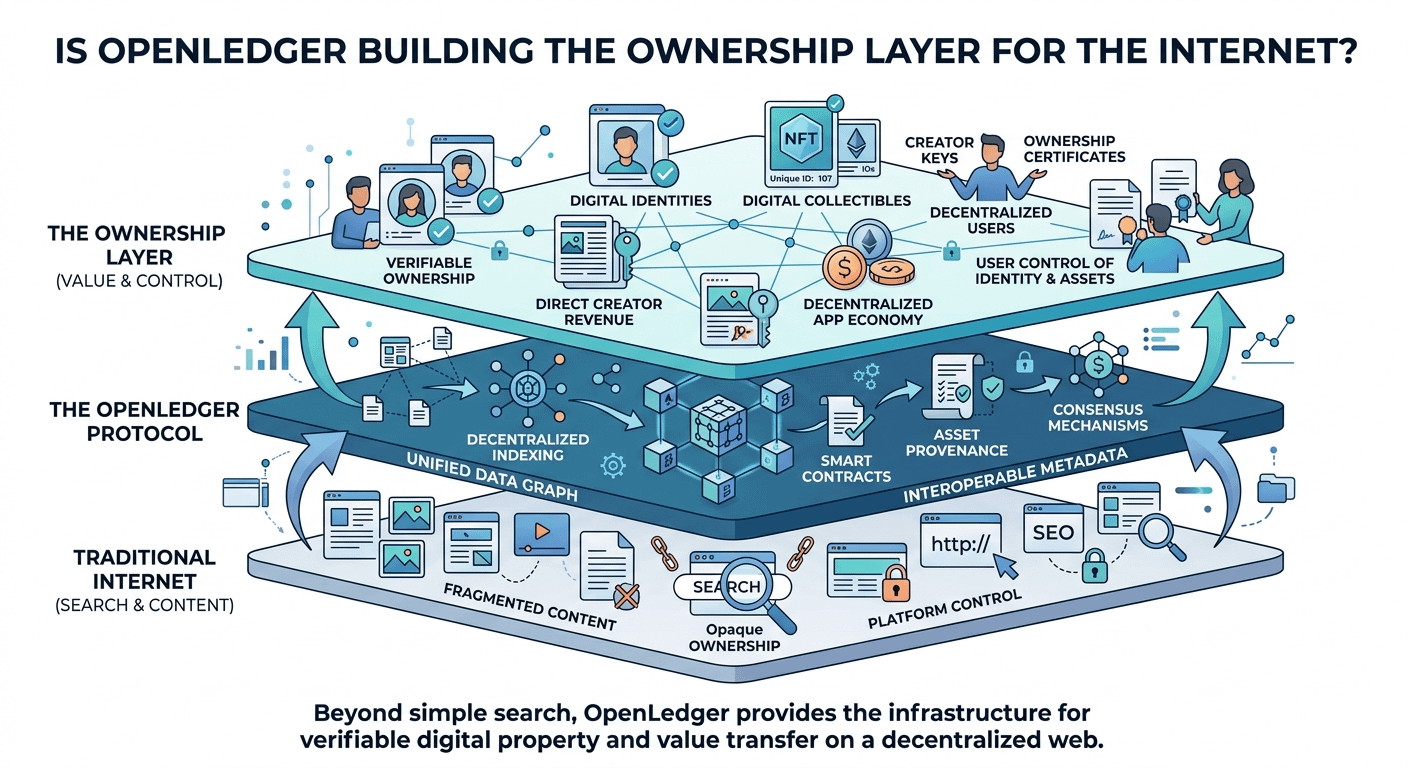
Still, it feels like OpenLedger is making a bet on a future where the economic layer beneath AI becomes more important than search traffic itself. If that future arrives, ownership may look very different from what the internet trained us to expect.
Or maybe the system is still deciding whether ownership matters at all in the age of AI-generated answers.