
This won't be a lecture about doing your own research. You should do your research. What's happened in crypto is that we've trained ourselves to stare at price instead of code. Most of us ask what the market thinks. We never ask what the contract can do. Those are not the same thing.

It's important to understand just how conditioned we all are. By the time most people buy their first real position, they've studied hundreds of charts and absorbed dozens of threads about why this coin is going to 100x. And it's not like losing money on a bad trade, where you can learn and move on. Those patterns don't disappear. They carve grooves into your brain. A market that trains you to watch price instead of code stays with you. You carry it into every trade.
You don't enter crypto the same person you become a year later. It's not a switch you flip. Months of watching green candles and red candles don't just evaporate. They leave ruts in the mind. And a mind trained to hunt for the next pump will not sit still when it's time to actually read a smart contract.
So if you've been wrecked in this market, go easy on yourself. Your brain is busy trying to undo a long stretch of conditioning.
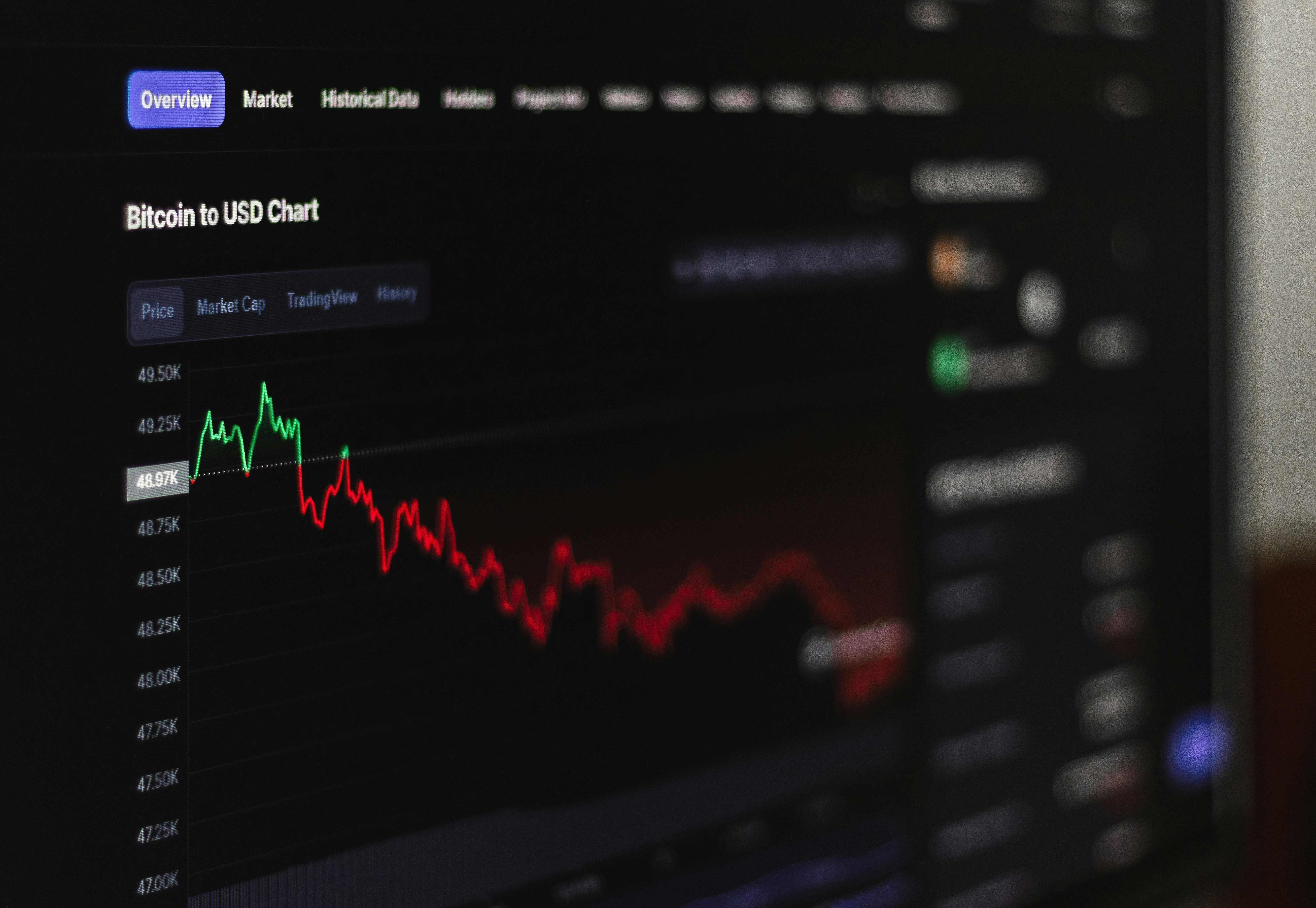
Days earlier I wrote about Hex Trust buying $42 million when the fear index was at 8. Most people stop checking their portfolio at that number. Someone with $42 million saw the number and bought. I called it beautiful.
I went to bed feeling good about an article I had just published. I spent a week tracing wallets, hunting for something real about how trust works on the blockchain.
By morning, over $31 million had moved out of Humanity Protocol. Same project I wrote about.
Then the founder said a team member's private keys were stolen. The attacker minted 100 million new tokens and moved them through Kyber Network and PancakeSwap. They still hold 111 million H and over 18,000 ETH. Price went from $0.70 to $0.0013. Down 99.6%.
I was watching Hex Trust pile in. Big institution buying the dip. Bullish, right? I wondered: who is buying? That told me something about the price. Nothing about safety.
The thing I should have wondered: who can mint?
$H token's audit had two red flags. Mintable. Upgradeable. The contract could create tokens from nothing. Someone could change the rules anytime. This was public data. Sitting in the audit report. I just wasn't reading it.
Here's the part that gets me. The wallets I tracked were selling before the crash. Timed release alerts pointed to private deals at $0.35 while the public price was above $0.60. The main unlock hits June 25. Even those private buyers at $0.35 are stuck at $0.0023 now.
ZachXBT said it might be staged. The team said external breach. I don't know which story is true. But I know the unlock schedule was public.
I didn't need to pick a side. I needed to read the contract.

While I was still scrolling through the H disaster, another alert hit.
$SAHARA (Sahara AI) dropped 55%. No breach. No stolen keys. The price just fell apart on its own.
Top 10 wallets hold 96 percent of all tokens. Available to trade: $59,000 against a $35 million market cap. A 1.03 billion unlock lands in about two weeks. That's $17.6 million hitting a pool that can handle maybe $18,000 before the price moves hard.
People wanted to know: did the team reassure us? Nobody peered into the pool and wondered: how many dollars does it take to move this thing 20%? You could calculate that before buying. The data was right there.
The team is probably telling the truth. They didn't need a hacker. A token where a few wallets hold almost everything and hardly anyone can trade it doesn't need an attacker. It needs one big holder to decide they want out.
Two projects. Two different outcomes. One pattern.
Every single one had a public warning nobody wanted to see. The mint flag. The unlock dates. The wallet concentration. The pool depth. None of it was hidden. It was all on the surface.
Three angles I never checked. Simple ones. They would have saved me from writing an article that went bad faster than milk left in the sun.
First: who can break this?
Every token has a weak spot. Sometimes a mint function. Sometimes one wallet holding 10 percent of everything. Sometimes a vesting contract about to dump millions into a tiny pool. Find the weak spot before it breaks.
Next: what happens at the extremes?
The middle of the chart tells you nothing. The edges tell you everything. H dropped 99.6 percent. SAHARA swung 200 percent between high and low in one day. You can work these numbers out from the pool depth and holder distribution. Nobody does.
Last: which way is easier?
Going up 10x needs buyers and hype and a story that catches fire. Going to zero needs one thing to fail. For H, a mint function with stolen keys. For SAHARA, one big sell hitting a nearly empty pool. Which direction has fewer obstacles? The blockchain answers that every day. Most people never think to look.

I want to tell you why I keep getting this wrong.
I published an article before this one. I said the blockchain doesn't tell you enough. Sounded deep. People liked it. But it wasn't deep. It was an excuse. The chain did show me. Nothing was hidden. I just didn't know where to aim my attention.
A project called $LAB has the same setup. Rumored private deals at $1 to $3 during their pump. Their unlock is August 14. Same timed release structure. Same concentration pattern. Same blind spots nobody is watching.
Most people will keep refreshing the price and the news. But the warnings were never a secret. They sit in places nobody opens until the damage is done. The more time you spend watching the chart, the less you see the code. The more you chase narratives, the less you examine the mechanics. The more you trust the crowd, the more exposed you are to the person hiding inside the contract.
I didn't find a single transaction that required zero trust. But I found the trust was never hidden. I just wasn't searching for it by name.
That's the gap. Not between what the chain shows and what we know. It's between what catches our eye and what would actually save us. It doesn't shrink with better tools. It shrinks when you stop asking the market what it thinks and start reading the contract for what it can do.
Three angles to study before your next trade. Write them down. Tape them to your monitor.
Who can break this?
What happens at the extremes?
Which way is easier?
The blockchain answers them every day. Most people never think to peer beneath the surface.
Data sourced from Binance Web3 on-chain APIs, BscScan, CoinDesk, Cointelegraph, Arkham Intelligence, and Lookonchain. June 9, 2026.