


Speculative activity is starting to build again across the crypto market, but the underlying demand picture does not look equally strong. This gap between rising risk-taking and weak on-chain participation is raising concerns that the market could be vulnerable to another liquidation-driven move heading into Q3.
Macro uncertainty is still a major part of the story. Ongoing developments around a possible U.S.-Iran peace agreement have kept investors cautious, while volatility across commodities and risk assets continues to influence market sentiment. When global uncertainty rises, traders often increase exposure to assets that can move sharply on headlines, and that seems to be happening again.
One notable example came from Lookonchain data, which showed a newly created wallet depositing 4.24 million USDC into Hyperliquid before opening a 10x long position on oil. The position reportedly had a liquidation level near $71. Oil has been moving around the $80 area for several days, but the broader trend since May has remained weak. That makes the trade interesting because it carries meaningful risk if oil fails to hold its current range.
Still, this position may not be random. With geopolitical risk still present and energy markets reacting quickly to global headlines, the trader could be betting on a renewed upside move in oil. If oil strengthens, it can create pressure on crypto markets by pulling liquidity toward energy-related trades and away from higher-risk assets like Bitcoin and altcoins.
At the same time, speculative behavior is not limited to commodities. Prediction markets have also seen a major increase in activity, with open interest reaching a record level of around $1.48 billion. This suggests traders are becoming more willing to take directional bets even while the broader macro environment remains uncertain.
This combination is important. Speculation is rising, but spot demand and liquidity conditions are not showing the same strength. When leverage builds faster than real demand, the market can become fragile. In that kind of setup, even a small downside move can trigger forced liquidations, causing prices to fall faster than expected.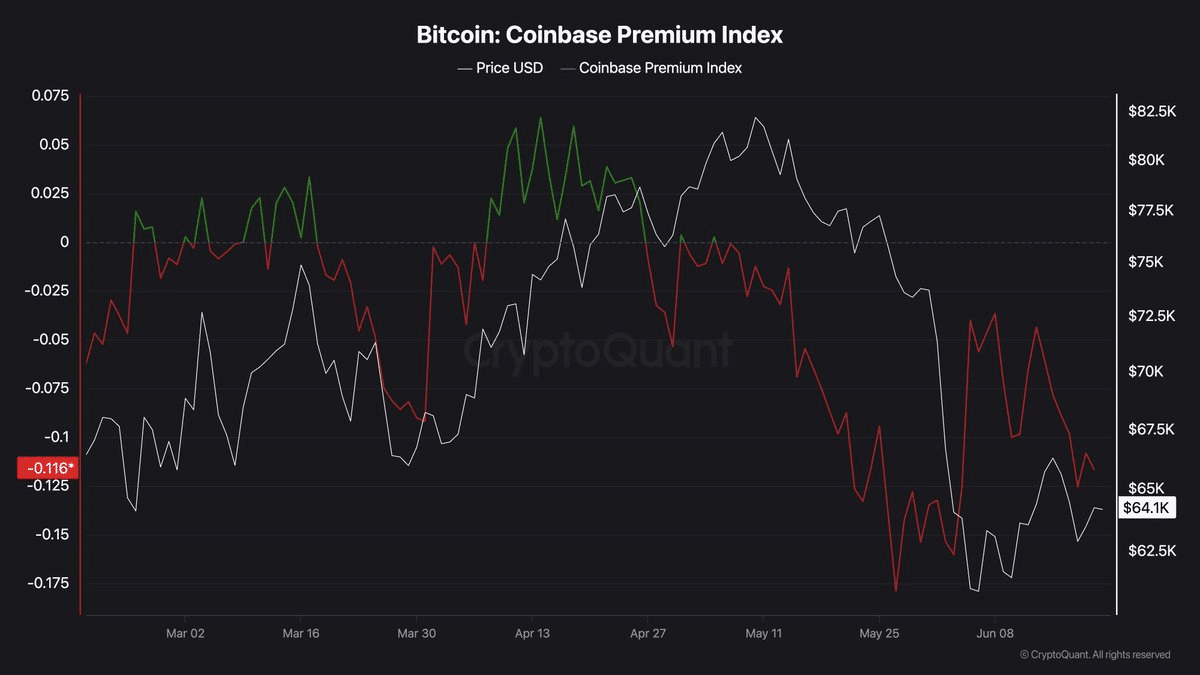
Among major altcoins, Bittensor, also known as TAO, is one asset that appears to be attracting attention. The token has been one of the most discussed altcoins recently, helped by renewed interest in AI-related crypto projects. However, market positioning is starting to show some warning signs.
Earlier in June, whales appeared to be more heavily positioned on the long side compared to retail traders. Since June 14, that trend has changed. Whale positioning has shifted more toward shorts, while retail traders have continued to lean long. This type of divergence can be risky because retail-heavy long exposure often becomes vulnerable if momentum fades.
If TAO starts losing strength, the market could see a long squeeze. In simple terms, overleveraged long positions may be forced to close if price drops, which can create more selling pressure. That kind of setup can quickly turn into liquidation-driven volatility, especially when broader market confidence is already weak.
Bitcoin is also showing signs of weaker demand. Coinbase’s Bitcoin Premium Index has reportedly stayed negative for 44 consecutive days, marking its longest negative streak on record. A negative premium usually suggests that U.S. buyers are less aggressive, which can point to softer institutional or spot demand.
Network activity is another concern. Bitcoin’s annual growth in both difficulty and hash rate has turned negative for the first time since 2021. While this does not automatically mean a major decline is coming, it does suggest that network momentum has cooled compared to previous periods.
Taken together, the market is showing a clear imbalance. Traders are becoming more speculative, leverage is rising, and directional bets are increasing. But on-chain demand, U.S. buying pressure, and network growth are not confirming the same level of strength.
This does not mean a liquidation event is guaranteed. Crypto markets can remain irrational longer than expected, and strong headlines or renewed liquidity can quickly shift sentiment. However, the current structure deserves caution. When leverage rises in a weak-demand environment, the market becomes more exposed to sudden corrections.
Heading into Q3, the key question is whether real demand returns before leverage becomes too crowded. If spot buyers step back in and liquidity improves, the market may absorb volatility without a major breakdown. But if demand stays weak while speculation keeps climbing, the risk of a broader liquidation event will continue to grow.
For now, crypto appears to be walking a thin line. The market still has momentum in some areas, but the foundation underneath looks less stable than the surface suggests.
#SpaceXPremarketFalls4.6% #IranCutsCrudePrices #BinanceToOpenXLMSpotTrading