
Stablecoins are a type of cryptocurrency designed to maintain a stable price by pegging their value to a real-world asset, such as the US dollar or gold. This stability makes them a reliable medium of exchange, unlike highly volatile cryptocurrencies like Bitcoin. The current global stablecoin market is valued at approximately $255 billion as of June 2025. 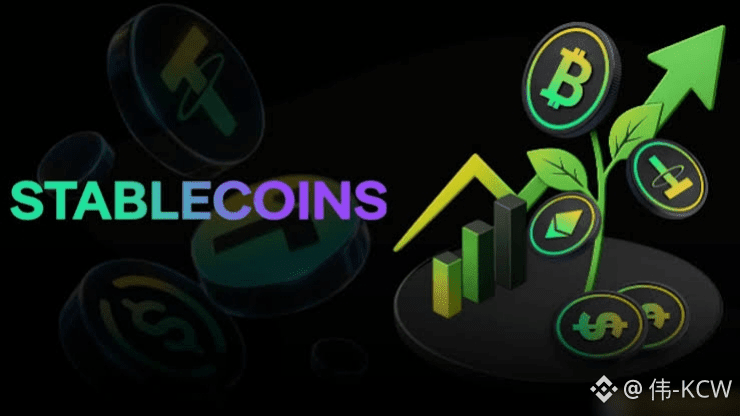
How They Work
Most stablecoins work by holding a reserve of the underlying asset (like cash or government bonds) equal to the number of stablecoins in circulation. When a user wants to redeem their stablecoins, the issuer exchanges them for the equivalent amount of the reserve asset, ensuring a consistent value, usually a 1:1 ratio with the pegged currency.
Types of Stablecoins
There are four primary types of stablecoins, each using a different mechanism to maintain stability:
Fiat-Collateralized Stablecoins: These are backed by traditional currencies like the US dollar or the euro, held in reserves by a central issuer (e.g., USDC, Tether).
Crypto-Collateralized Stablecoins: These are backed by other, more volatile cryptocurrencies and are often over-collateralized to manage price fluctuations (e.g., Dai).
Commodity-Backed Stablecoins: Each token is backed by a physical commodity such as gold or silver (e.g., PAX Gold).
Algorithmic Stablecoins: These do not use collateral but rely on algorithms and market mechanisms to control supply and demand to maintain their peg (e.g., the former TerraUSD).
Benefits and Risks
Benefits
Price Stability: They offer the stability of fiat currency with the benefits of cryptocurrencies.
Enhanced Efficiency: They allow for fast, low-cost global payments and cross-border transactions, reducing reliance on traditional intermediaries.
DeFi Integration: Stablecoins are foundational to decentralized finance (DeFi) ecosystems, serving as key collateral and liquidity.

Risks
Liquidity Risk: In a "digital bank run," issuers might not have enough liquid reserves to cover mass withdrawal requests, potentially breaking the peg.
Regulatory Uncertainty: The treatment and oversight of stablecoins are still evolving, posing risks for businesses and investors.
Transparency Concerns: The trustworthiness of some issuers' reserves and management practices is a concern for some users.

Popular Stablecoins
Some of the most used and recommended stablecoins include:
Tether (USDT)
USD Coin (USDC)
Dai (DAI)
PayPal USD (PYUSD)
Ripple USD (RLUSD)

"SHARING IS CARING"
Disclaimers:Info and knowledge sharing.Not a financial advice.
DO YOUR OWN RESEARCH.(DYOR)
#Stablecoins #RLUSDApprovalBoostXRP #cryptouniverseofficial #BinanceSquareTalks #CryptoBoom


