
Most blockchains were created with freedom in mind, but very few were built with responsibility at their core. As Web3 matures, the conversation is no longer just about decentralization or permissionless access. It is about how blockchain systems can operate inside real financial environments without breaking the rules that keep markets stable. This is where Dusk Foundation quietly stands apart.
Founded in 2018, Dusk was not designed to chase trends or short-term narratives. It was built around a simple but difficult question: how can privacy exist in finance without destroying trust, auditability, or compliance. Instead of treating regulation as an obstacle, Dusk treats it as a design requirement. That single choice changes everything about how the network behaves.
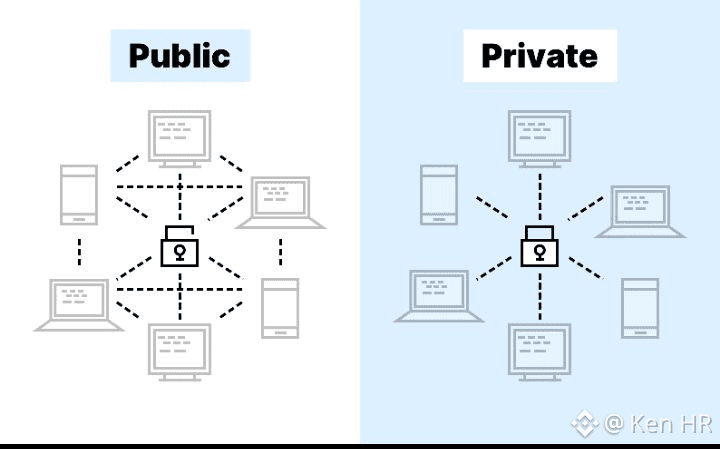
Traditional financial systems rely on transparency for oversight, while users rely on privacy for protection. Most blockchains struggle to balance these two forces. Dusk approaches this problem by embedding privacy directly into its architecture while still allowing verifiable compliance. Transactions can remain confidential without becoming invisible. This balance is essential for institutions that cannot afford blind systems.
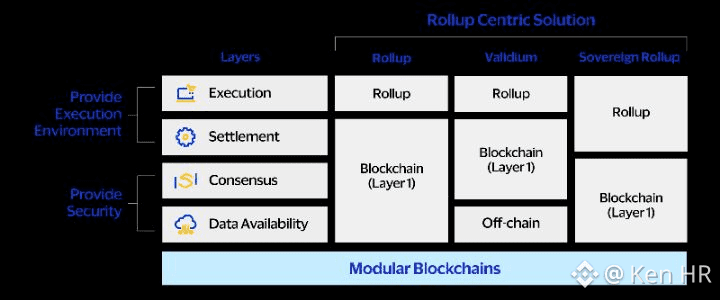
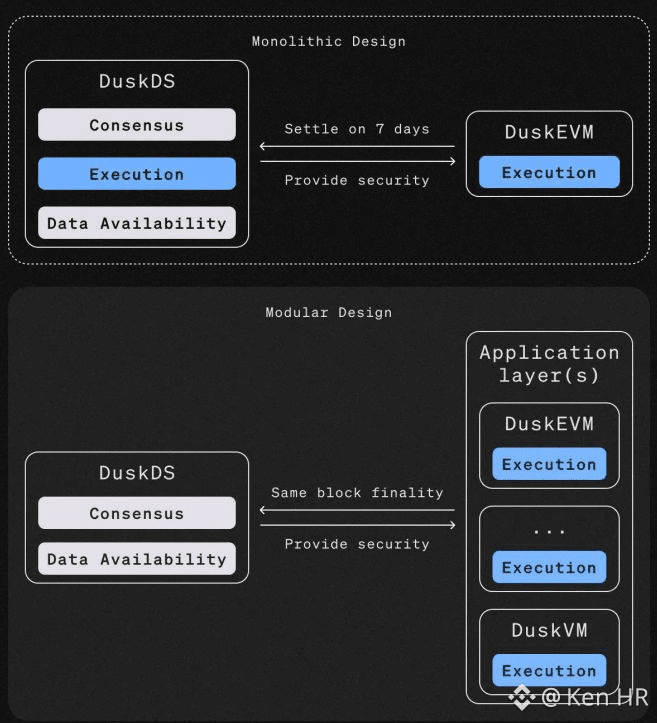
Dusk’s modular design allows financial applications to evolve without forcing the entire network to change. This flexibility matters when dealing with regulated products, real-world assets, and institutional workflows. Instead of locking developers into rigid structures, Dusk provides rails that can adapt as rules, markets, and technologies shift.
One of the most important use cases for Dusk lies in real-world asset tokenization. Bringing assets like bonds, equities, or funds onto the blockchain requires more than smart contracts. It requires privacy for participants, audit trails for regulators, and legal clarity for issuers. Dusk was built with these constraints in mind from the beginning.
In compliant DeFi environments, transparency alone is not enough. Institutions need selective disclosure. They need systems that can prove correctness without exposing sensitive data. Dusk enables this by supporting privacy preserving proofs that allow verification without unnecessary exposure. This approach aligns closely with how traditional finance already operates behind the scenes.
Another strength of Dusk is its focus on long-term infrastructure rather than speculative activity. Financial rails must be stable, predictable, and resilient. They must continue to function even when markets are volatile or attention shifts elsewhere. Dusk’s architecture reflects this mindset by prioritizing durability over speed and structure over noise.
Auditability plays a critical role in regulated finance, and Dusk does not ignore it. Instead of exposing everything publicly, the network allows authorized verification when required. This creates trust without sacrificing confidentiality. For institutions, this is not optional. It is a minimum requirement.
What makes Dusk especially relevant today is timing. Regulation is no longer a distant future for Web3. It is already here. Projects that cannot adapt will struggle to survive. Dusk does not need to retrofit compliance into its system. It was designed around it from day one.
As Web3 moves closer to traditional finance, the need for responsible infrastructure becomes unavoidable. Speculation can attract attention, but only infrastructure earns trust. Dusk is not trying to replace existing financial systems overnight. It is building the rails that allow them to connect safely to decentralized technology.
In the regulated Web3 era, success will belong to networks that understand both code and law. Dusk sits at that intersection. Quietly, deliberately, and with a focus on systems that must work not just today, but for decades to come.
