
Dusk Foundation was not built to impress short-term markets. It was built to survive real ones. From the very beginning, Dusk focused on a simple but difficult question: how can financial systems remain private while still being accountable to the rules that govern them. Most blockchains avoid this problem. Dusk chose to face it directly.
In traditional finance, accountability is not optional. Institutions operate under strict requirements for reporting, verification, and compliance. Many blockchain systems promise privacy, but few consider how that privacy fits into regulated environments. Dusk approaches privacy as a controlled and verifiable feature, not a shield against oversight. This distinction is what makes it relevant beyond speculation.
Dusk’s Layer 1 architecture is designed around selective disclosure. Instead of exposing all data or hiding everything, the protocol allows only what is necessary to be revealed. This creates a system where transactions can remain confidential while still proving compliance when required. Accountability exists without sacrificing privacy.
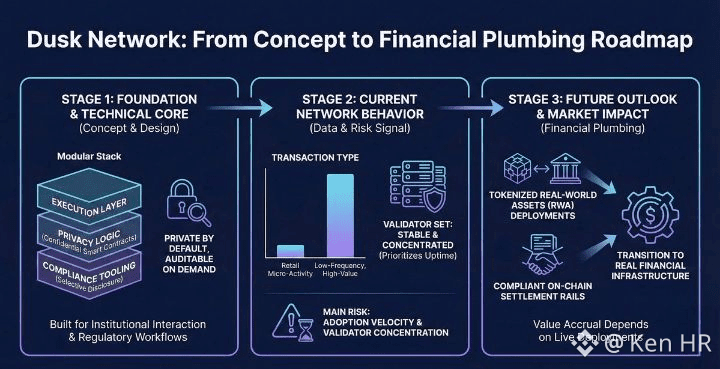
This design philosophy becomes especially important in regulated DeFi. Financial products cannot scale if they operate in isolation from legal frameworks. Dusk supports applications that must interact with regulators, auditors, and institutions. It does not force developers to choose between innovation and responsibility.
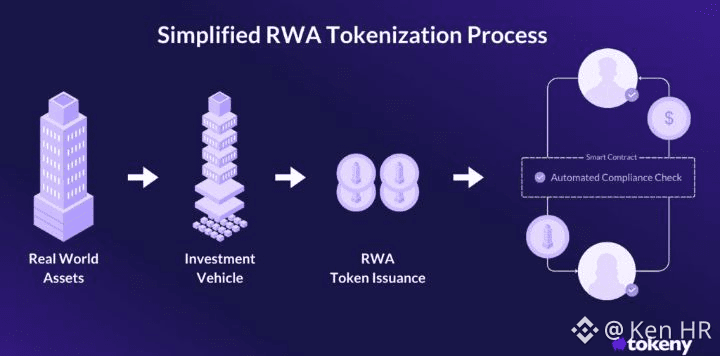
One of Dusk’s strongest contributions is its support for real-world asset tokenization. Tokenized assets require clear ownership, traceability, and auditability. At the same time, participants often require confidentiality. Dusk enables both by embedding privacy and proof directly into the protocol layer. This makes tokenized markets usable for serious financial players.
Accountability also means resilience. Systems designed for rules tend to be more stable over time. Dusk’s modular architecture allows components to evolve without breaking compliance assumptions. This flexibility matters as regulations change and financial standards mature.
Another overlooked aspect is trust. Markets that demand accountability also demand predictability. Dusk does not rely on governance shortcuts or vague promises. Its protocol design makes verification a normal operation rather than an exception. This reduces uncertainty for institutions considering blockchain integration.
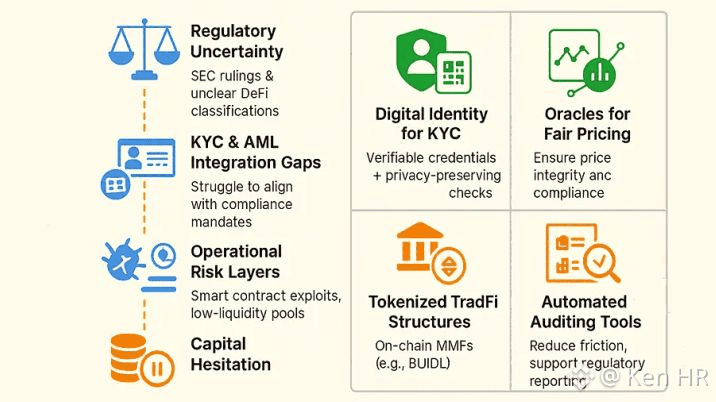
Privacy in Dusk is not about hiding behavior. It is about protecting participants while maintaining system integrity. This is a crucial difference that regulators increasingly recognize. As oversight expands into digital assets, infrastructure like Dusk becomes more relevant, not less.
Many blockchains optimize for speed or visibility. Dusk optimizes for correctness. It assumes that real adoption happens when systems can withstand scrutiny. That mindset aligns closely with how financial markets actually work.
In the long term, accountability is not a limitation. It is a foundation. Dusk understands that financial infrastructure must operate under pressure, not just during growth phases. By designing for accountability from day one, Dusk positions itself as a blockchain built for permanence rather than trends.
