
Most decentralized applications struggle not because of poor ideas, but because the infrastructure beneath them is fragile. Storage, data availability, and long-term reliability are often treated as secondary concerns. Walrus takes a very different approach. Instead of chasing attention, it focuses on building the kind of storage foundation that decentralized applications need if they are meant to last for years rather than market cycles.
At the heart of every dApp is data. User activity, application state, governance records, and historical interactions all depend on data remaining accessible and verifiable over time. Walrus recognizes that without dependable storage, decentralization becomes a promise that slowly erodes. By prioritizing data persistence and availability, Walrus addresses one of the most overlooked challenges in Web3.
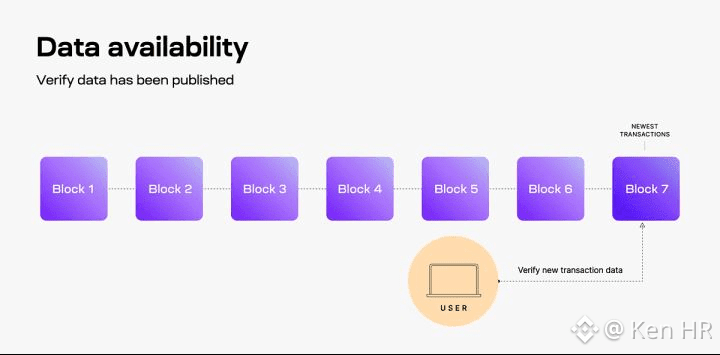
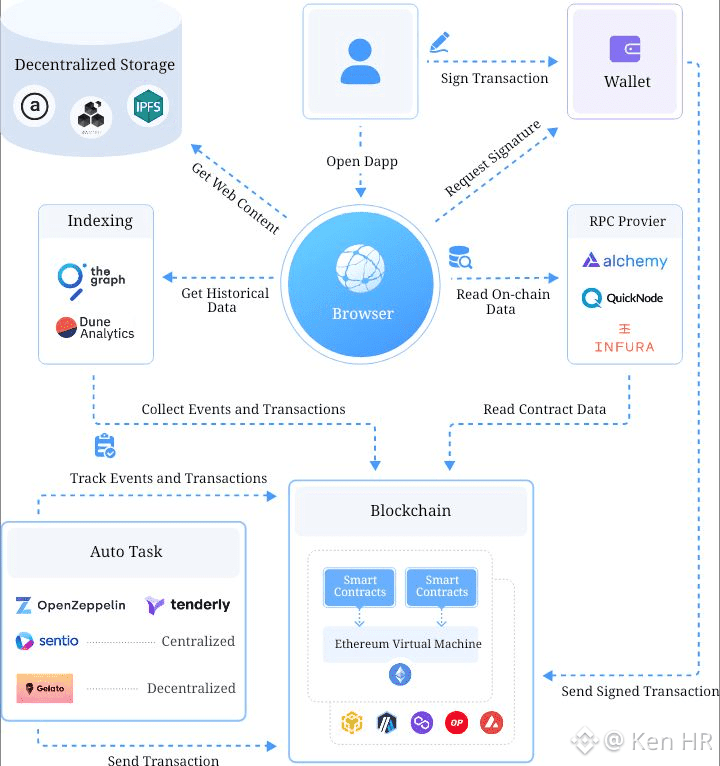
Walrus operates on the Sui blockchain and separates data storage from execution logic. This architectural decision is subtle but powerful. Instead of forcing blockchains to handle large files inefficiently, Walrus uses erasure coding and blob storage to distribute data across a decentralized network. The result is a system that is scalable, cost-efficient, and resilient against censorship or single points of failure.
For developers, this means freedom. Applications can grow without worrying that storage costs will spiral out of control or that data access will become unreliable. Long-living dApps require confidence that the past will not disappear when conditions change. Walrus provides that confidence by treating storage as durable infrastructure rather than temporary space.
Privacy is another critical pillar of the Walrus design. In many systems, privacy is added later as a feature. Walrus builds with privacy in mind from the start. By supporting private interactions and controlled data visibility, it allows applications to respect user confidentiality without sacrificing transparency where it matters. This balance is essential for decentralized systems aiming for real-world adoption.
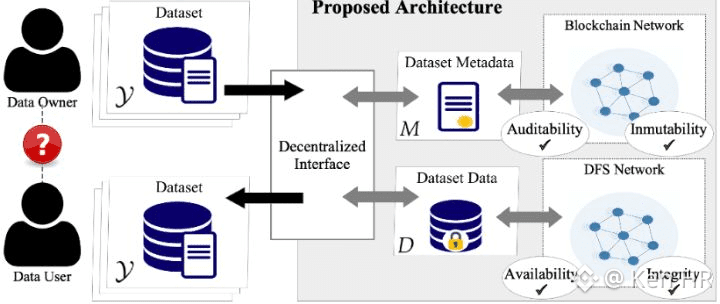
Cost efficiency plays an equally important role. Centralized cloud providers lock users into recurring costs and hidden dependencies. Walrus offers an alternative where storage is distributed, predictable, and aligned with decentralized principles. This makes it attractive not only for crypto-native projects, but also for enterprises exploring decentralized infrastructure without compromising operational stability.
Governance and staking further strengthen the Walrus ecosystem. By allowing participants to engage directly in network decisions, Walrus ensures that its evolution reflects the needs of builders and users alike. This community-aligned model is crucial for infrastructure that aims to remain relevant over the long term.
What makes Walrus stand out is its patience. It does not attempt to redefine DeFi overnight. Instead, it quietly builds the base layer that decentralized applications depend on. As more dApps mature and demand reliable storage, the importance of systems like Walrus becomes impossible to ignore.
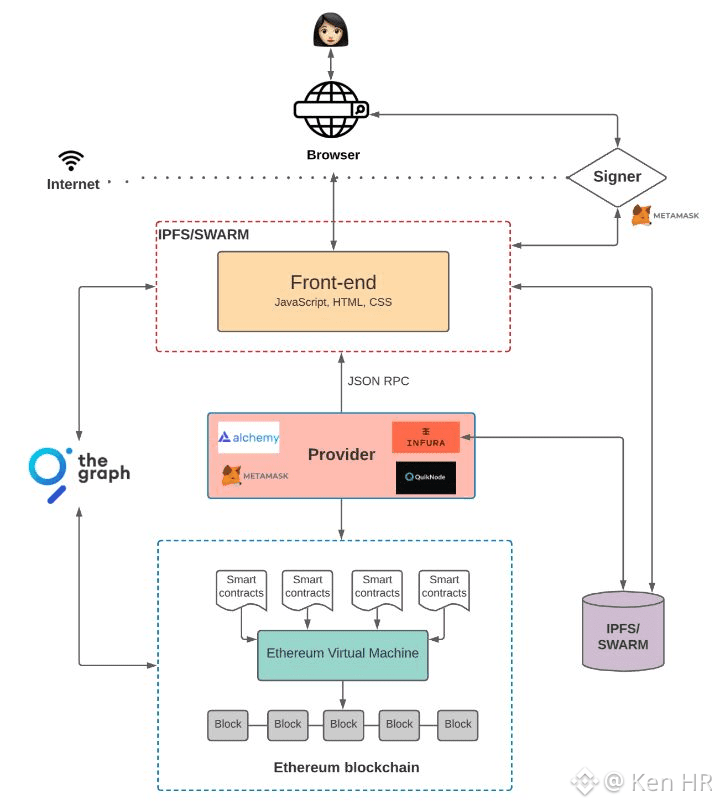
Long-living dApps are not created by hype. They are created by infrastructure that keeps working long after attention moves elsewhere. Walrus understands this reality. By focusing on durable storage, privacy-preserving design, and scalable architecture, it lays a foundation that decentralized applications can safely build upon for the future.

