
Zero-fee stablecoin transfers sound almost too simple to matter. In crypto, attention usually flows toward whatever is new, fast, or flashy. New virtual machines, higher TPS numbers, complex DeFi structures, and experimental token models tend to dominate headlines. But infrastructure that truly changes behavior often looks boring on the surface. Plasma’s attempt to make stablecoin transfers effectively invisible sits squarely in that category.
For most users, stablecoins represent one promise: reliability. They are not meant to be exciting assets. They are meant to function like digital cash. When sending USDT or USDC, people expect the experience to feel closer to swiping a card than interacting with a blockchain. Today, that expectation is still broken. Fees fluctuate. Bridges introduce delays. Users must manage gas tokens they don’t care about. Every one of these steps adds cognitive load, and cognitive load kills everyday usage.
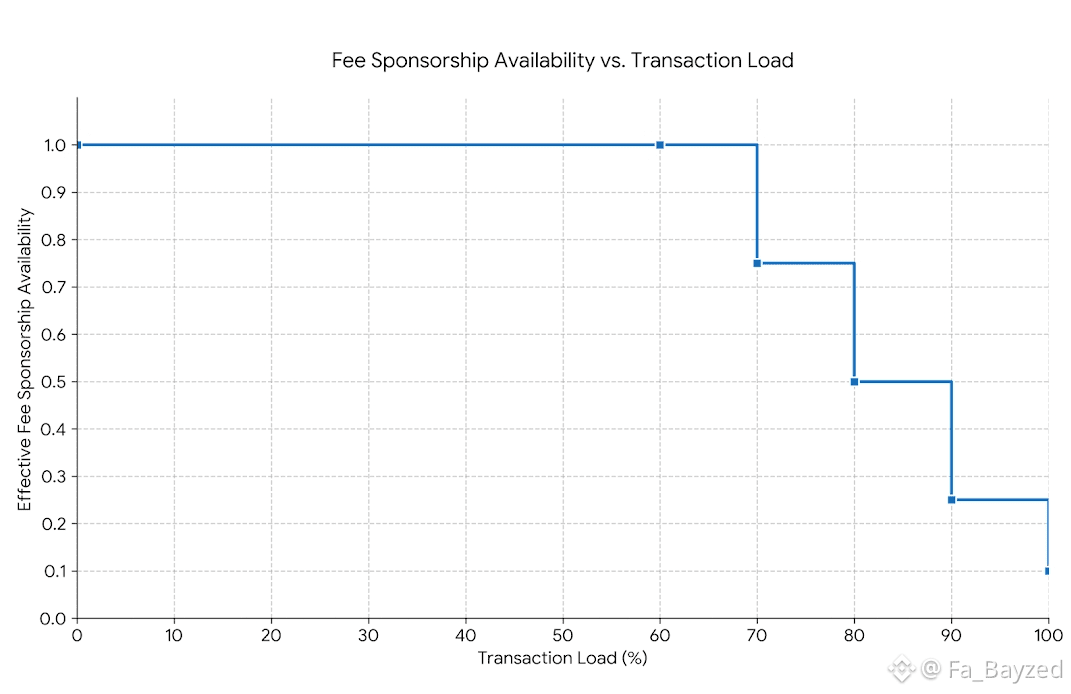
Plasma’s zero-fee transfer model directly targets this friction. By using paymasters to sponsor basic stablecoin transactions, the network removes the need for users to hold or think about a native token just to move dollars. That single design choice shifts the mental model from “crypto transaction” to “payment.” When the user no longer notices the chain, the chain begins to act like infrastructure rather than a product.
This philosophy extends beyond fees. Plasma is not trying to be a universal execution layer for every possible application. It narrows its focus to stablecoin transfers as a primary workload. Consensus is optimized for fast finality rather than extreme composability. Capacity is engineered around predictable settlement instead of peak throughput benchmarks. These are not choices that generate hype cycles, but they are the kinds of choices that produce consistency.

“Invisible infrastructure” does not mean absence of economics. The XPL token still plays a critical role in security and coordination. Validators stake it. It absorbs value from network usage. Governance uses it to adjust parameters like paymaster limits and reward curves. The difference is that $XPL is positioned behind the scenes. Users are not encouraged to speculate just to participate. Ideally, most people interacting with Plasma never touch the token at all.
Whether Plasma can truly become invisible infrastructure depends less on its architecture and more on adoption patterns. A payments chain proves itself only when users return repeatedly without reconsidering alternatives. The first transaction is curiosity. The hundredth transaction is habit. That is a much harder milestone.
There are real obstacles. Established ecosystems already dominate stablecoin volume. Tron controls massive transfer flow. Solana offers speed and cheap execution. Competing with those networks requires not only comparable performance, but sustained reliability under real-world conditions. If sponsored transfers fail during congestion, or if validators exit during market stress, trust erodes quickly.
Still, the upside case is compelling. If Plasma succeeds, it will not look like a winner in the traditional sense. It will not trend constantly. It will not define narratives. It will quietly process transfers while other sectors chase attention. That is exactly what good financial plumbing looks like. @Plasma #Plasma


