
While most Layer 1 networks try to be everything for everyone, @Plasma has carved out a specialized niche: becoming the ultimate settlement layer for global stablecoin liquidity. As we move further into 2026, the data suggests that $XPL is no longer just a "sidechain" but a core pillar of DeFi.
1. The Core Value Proposition: Solving the "Gas Friction"
The biggest barrier to mass stablecoin adoption has always been the requirement to hold a native gas token (like ETH or SOL) just to send a dollar.
Zero-Fee USDT Transfers: Plasma’s "Paymaster" system allows for subsidized USDT transfers, making it feel like a traditional fintech app rather than a complex blockchain.
Custom Gas Tokens: For more complex DeFi interactions, users can pay gas in the assets they already hold ($USDT, $pBTC), removing the "empty wallet" hurdle for new users.
2. Technical Edge: Bitcoin Security meets EVM Speed
Plasma utilizes the PlasmaBFT consensus (a modified HotStuff variant), which currently delivers sub-second finality.
Bitcoin Anchoring: By periodically committing state roots to the Bitcoin ledger, Plasma inherits a level of "hard money" security that general-purpose L2s often lack.
EVM Compatibility: This has allowed heavyweights like Aave and Ethena to migrate liquidity seamlessly, contributing to Plasma's impressive $3.4B TVL (as of late Jan 2026).
3. Tokenomics & Market Analysis $XPL
The XPL token serves as the network's security backbone through staking and as the gas token for advanced smart contract calls.
Inflation vs. Burn: While there is a 3-5% annual inflation to reward validators, the EIP-1559-style fee burning mechanism acts as a deflationary counter-pressure as network activity scales.
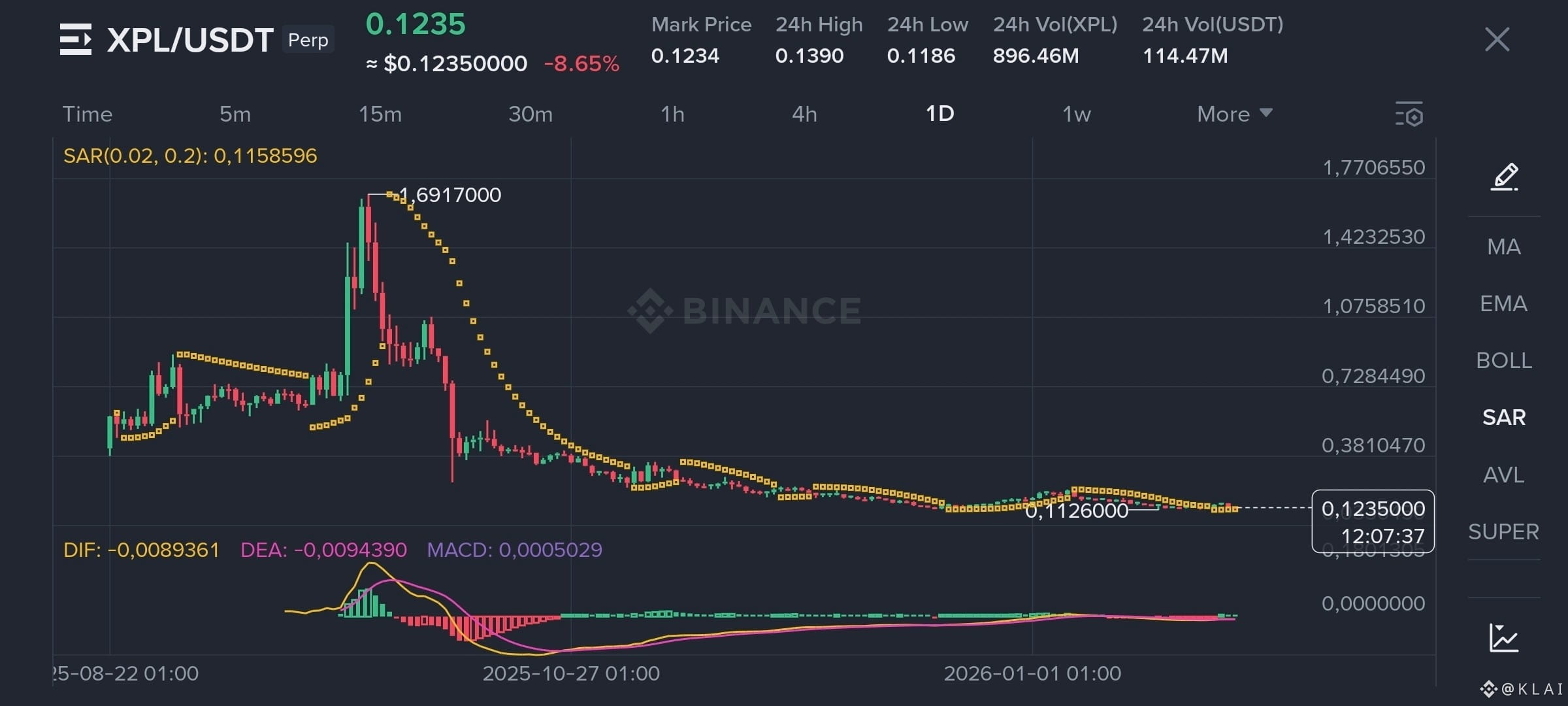
The "July 2026" Factor: Investors should note the upcoming US public sale unlock in July. While this may introduce short-term volatility, the growing integration with $NEAR Intents and the Plasma One neobank expansion provides a strong fundamental floor.
4. Risk Assessment
No investment is without risk. For Plasma, the primary "concentration risk" is its heavy reliance on Tether (USDT). Additionally, the "Free Transfer" model requires robust anti-spam measures to prevent network congestion. However, with $24M in recent funding led by Framework Ventures, the team has the runway to scale these defenses.
Final Thoughts
Plasma is moving away from the "speculative" phase and into "utility" phase. If you are looking for a project that bridges the gap between TradFi payments and DeFi yields, $XPL is a top-tier candidate to watch in 2026.