
If you ask most people what a blockchain is, they’ll say: “a public ledger where everyone can see everything.” That’s true for many chains and it’s also the main reason regulated finance has been slow to move on-chain. Real markets run on confidentiality. A broker can’t broadcast a client’s positions. A company can’t reveal fundraising allocations in real time. An exchange can’t expose every trade detail without breaking rules or leaking sensitive information.
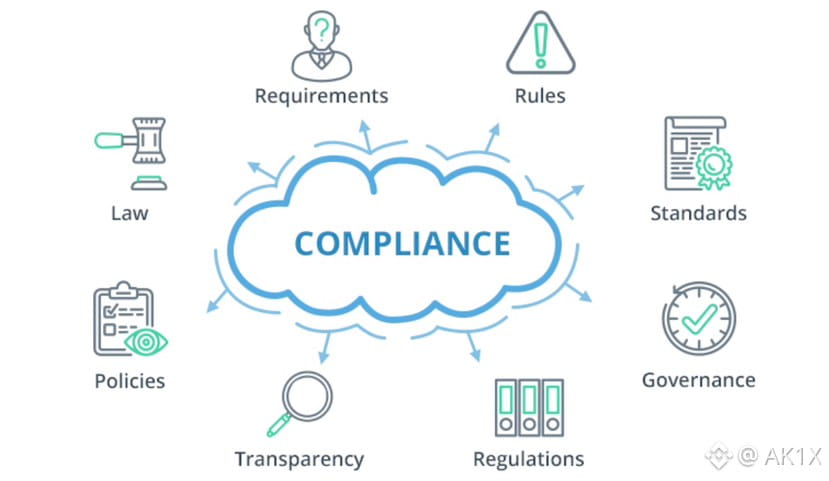
Dusk Network is built around a different assumption: finance needs privacy by default, but it also needs provability when required. Instead of choosing between “fully public” and “fully private,” Dusk is aiming for something more practical: selective disclosure at the protocol level transactions stay confidential, yet compliance can be verified by the right parties without turning the whole system into a surveillance machine.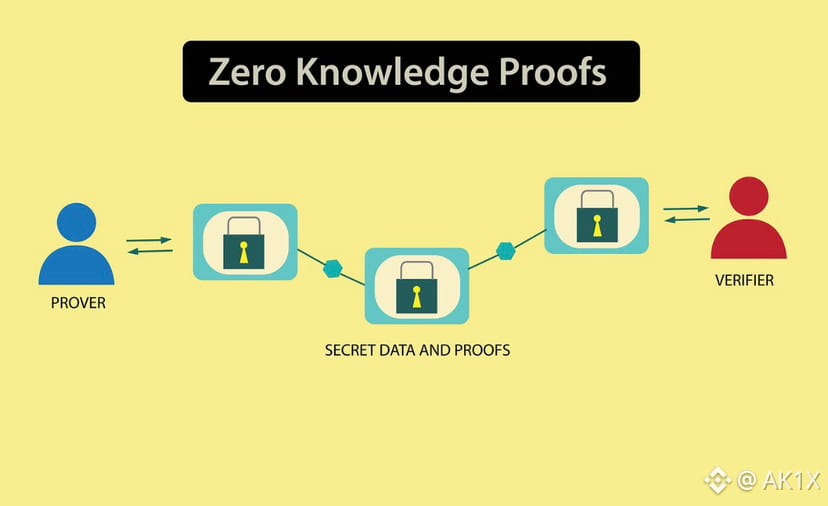
The “new idea” behind Dusk: a regulator interface built into the network
Here’s the unique lens that makes Dusk interesting: it treats regulation like a workflow, not a constraint.
In traditional finance, compliance is mostly manual and expensive KYC/AML checks, eligibility rules, reporting, audits done through intermediaries and paperwork. Dusk’s approach is to make compliance cryptographic: the network can prove that rules were followed (or that a user is allowed) without exposing unnecessary data. That is the heart of selective disclosure: show “just enough truth,” and nothing more.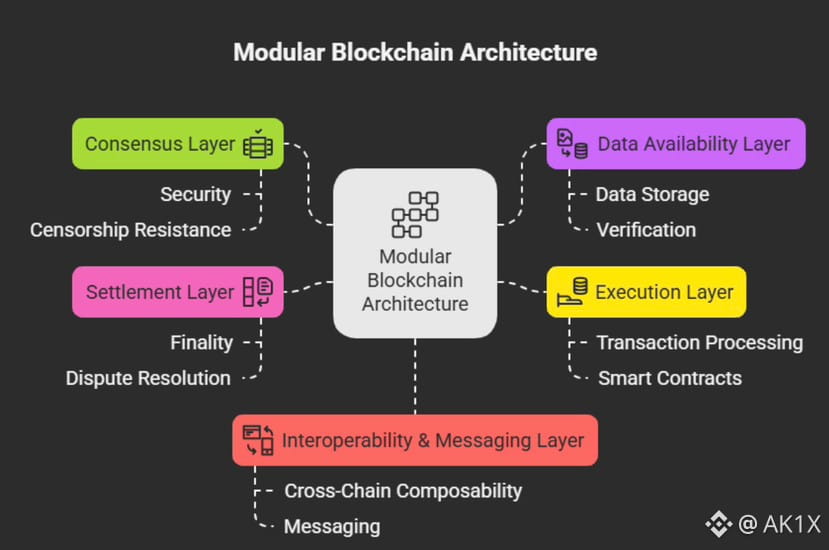
This is where zero-knowledge proofs (ZKPs) matter. In plain terms, ZKPs let you prove a statement without revealing the underlying information. For example, “I passed KYC,” “I’m eligible,” or “this transfer meets the rules” without posting your identity details publicly. Dusk has positioned its identity/compliance approach under concepts like Citadel, where the goal is to reduce data exposure and the risk of leaks while still meeting compliance expectations.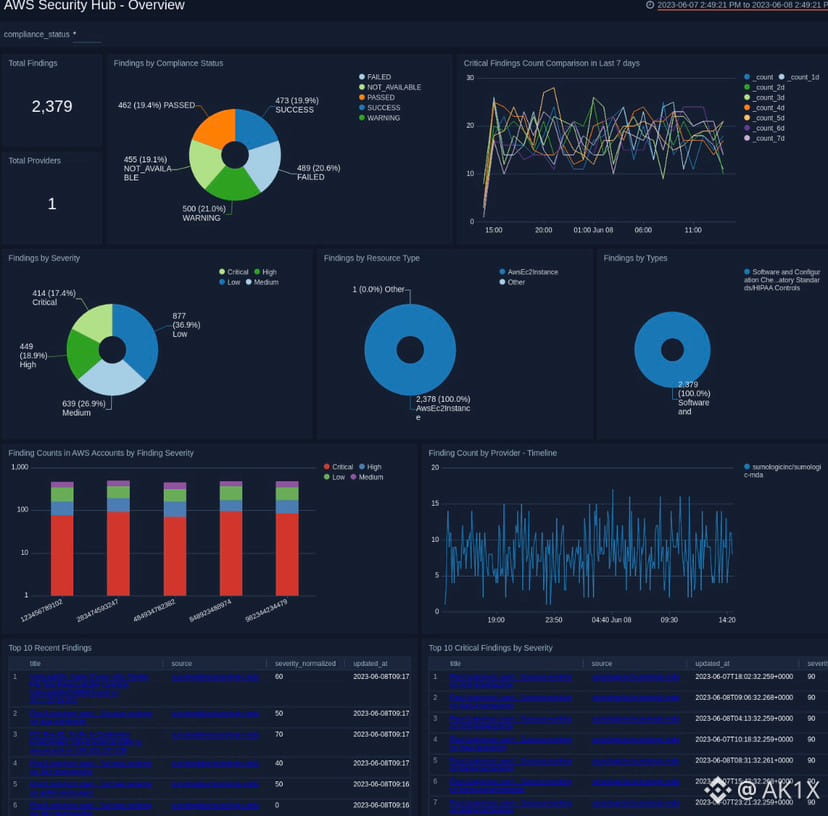
Why the architecture matters: DuskDS + DuskEVM
A lot of projects claim they’re “for institutions,” but their stack looks like a standard L1 with a different brand. Dusk’s more recent direction is explicitly modular:
• DuskDS sits at the base as the settlement, consensus, and data availability layer think of it as the chain’s “finality and trust foundation.”
• DuskEVM sits above it as an EVM-equivalent execution layer, letting developers use familiar Ethereum tooling while settling directly to DuskDS (instead of Ethereum).
This matters for adoption. Institutions and developers don’t want to rebuild everything from scratch. An EVM-friendly environment lowers friction, while DuskDS stays the anchor that can satisfy more conservative requirements security, settlement guarantees, and privacy-enabled transaction models.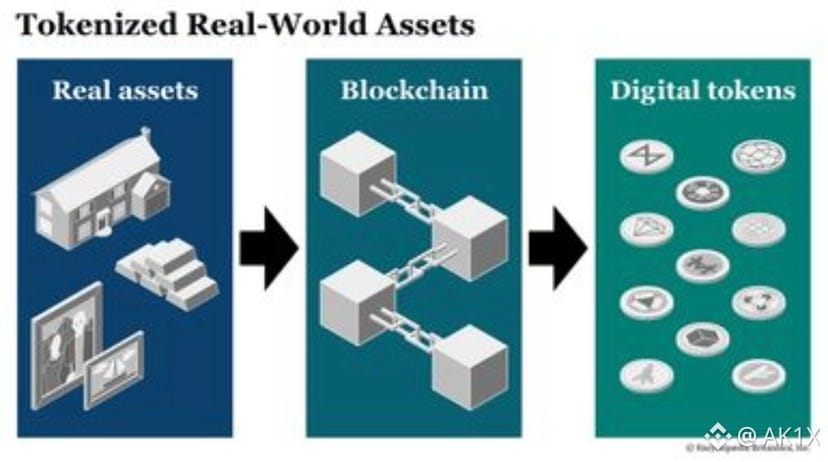
The real target: securities and real-world assets that actually need privacy
Dusk isn’t mainly competing for meme coins or retail DeFi attention. Its strongest story is regulated assets securities and RWAs where confidentiality is not optional.
That’s why Dusk talks about standards like XSC (Confidential Security Contract): a contract model aimed at creating and issuing privacy-enabled tokenized securities, so assets can be traded and stored on-chain without exposing the sensitive details that regulated markets must protect.
This is the quiet but important shift: tokenization isn’t just “put a token on a chain.” The hard part is everything around it who is allowed to hold it, what transfers are permitted, what disclosures are required, and how audits happen. Dusk is positioning itself as the chain where those rules can be enforced with cryptography instead of paperwork.
Interoperability and market data: why the Chainlink + NPEX angle is a big deal
One of the strongest signals that Dusk is serious about institutional rails is the way it’s connecting to standard infrastructure.
Dusk has announced integrations/partnership work around Chainlink CCIP and related standards, including in connection with NPEX, with the idea that regulated tokenized assets on DuskEVM can become interoperable across ecosystems using a canonical cross-chain layer.
There’s also messaging around using Data Streams and DataLink for publishing and delivering regulated market data and low-latency updates exactly the kind of “boring but essential” plumbing that real markets need.
In simple terms: if Dusk can combine (1) privacy-preserving compliance, (2) an execution environment developers can actually build on, and (3) standard interoperability + market data rails, then it’s no longer just a privacy chain it becomes infrastructure for regulated markets moving on-chain.
The bottom line
Dusk Network’s best pitch isn’t “privacy is cool.” It’s this:
• Privacy protects market participants (and reduces data leakage risk).
• Auditability protects regulators and institutions (so the system can be trusted).
• Selective disclosure connects the two (prove compliance without exposing everything).
That combination is exactly what regulated finance has been missing in most blockchain designs. If the next wave of adoption is truly institutional tokenized securities, compliant RWAs, on-chain settlement then a chain built around privacy + provable compliance has a clear lane. And that lane is what Dusk is building.
