
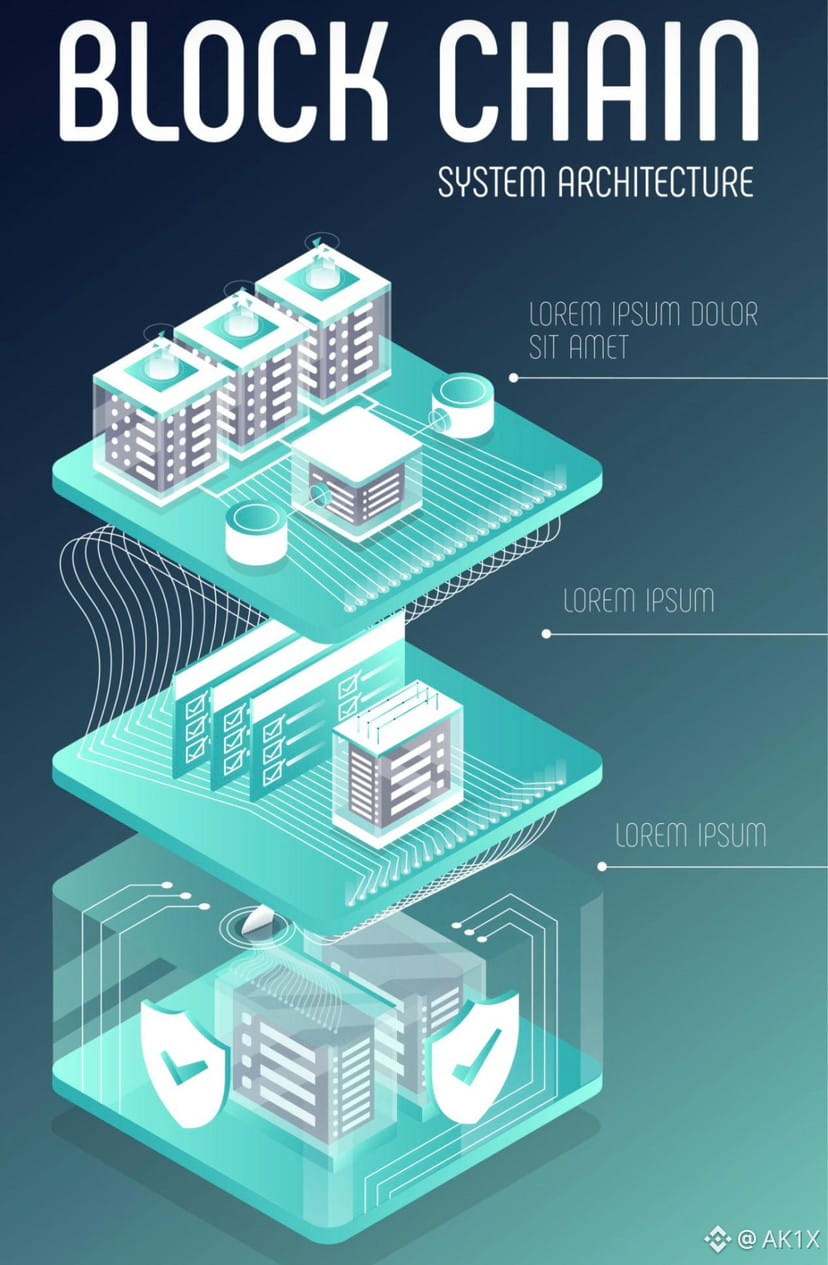
 In the world of Web3, blockchains do a great job of managing transactions and enforcing rules without a central authority. But when it comes to storing large data files like images, videos, game assets, or datasets for AI blockchains hit a wall. Most decentralized apps still rely on centralized storage systems like cloud servers. This creates a hidden weakness: even though the logic is decentralized, the data itself isn’t.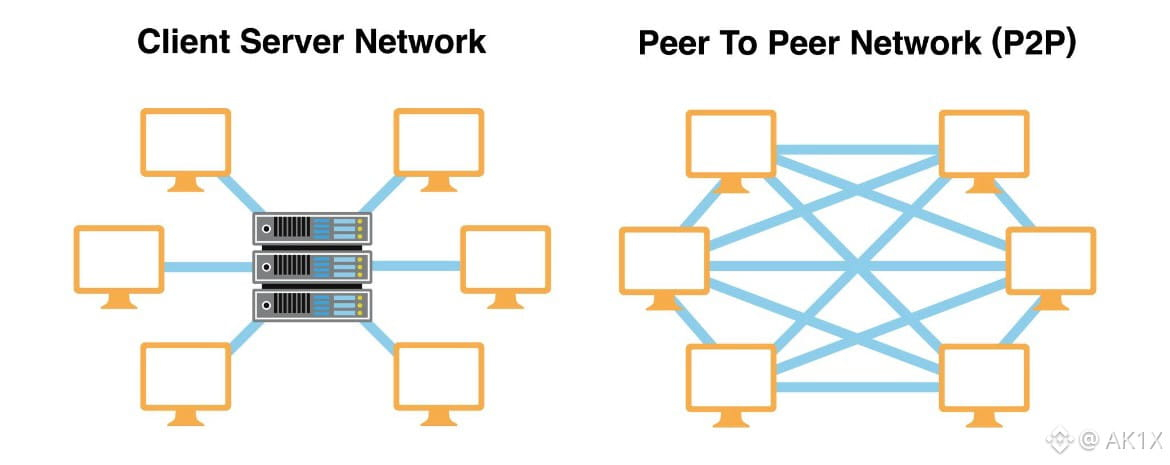
Walrus is a project built to fix that. It’s a decentralized storage and availability protocol designed to handle large files in a truly distributed way. Instead of depending on a single server or cloud provider, Walrus spreads pieces of data across many independent nodes in a network. This means the data can stay online and accessible even if some nodes go offline a key requirement for resilient Web3 applications.
The core idea behind Walrus is erasure coding, a method that breaks data into many smaller, encoded parts called “slivers.” These slivers are stored across different nodes. The advantage here is that you don’t need every sliver to reconstruct the original data you only need enough of them, even if some nodes fail or disconnect. This approach offers a major benefit over traditional storage replication models, which copy whole files many times and waste space and cost.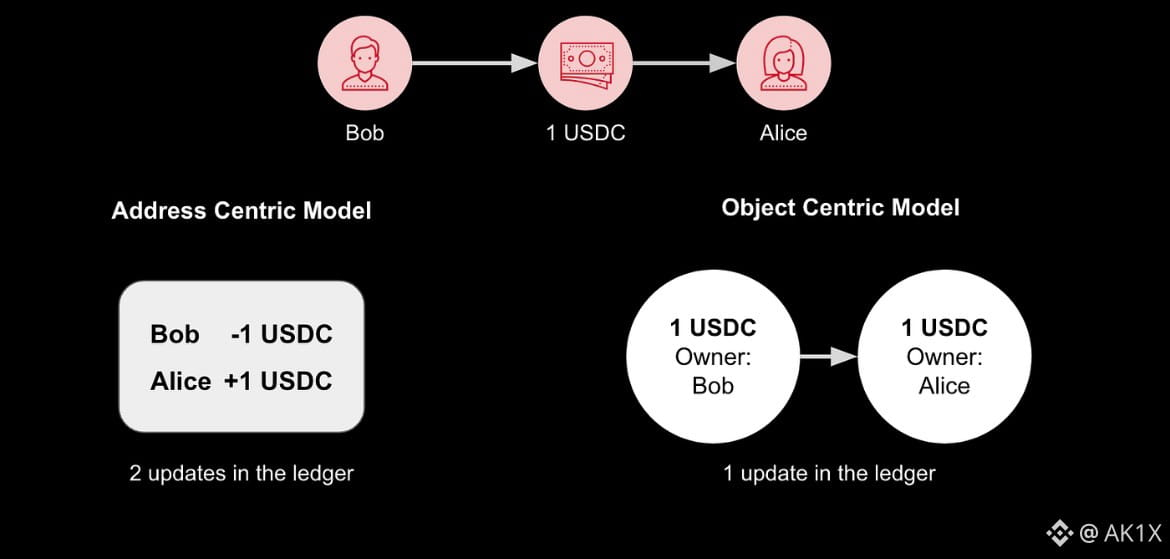
One of the major strengths of Walrus is how it integrates with the Sui blockchain. Sui’s design allows data objects to be programmable and referenced directly by smart contracts. In simple terms, developers can build applications where stored files aren’t just static blobs in a server, they become part of the blockchain’s logic. This opens up possibilities such as NFTs that truly store their media on decentralized infrastructure, decentralized websites that don’t vanish when a server goes down, and gaming or AI applications that require large, trustworthy datasets.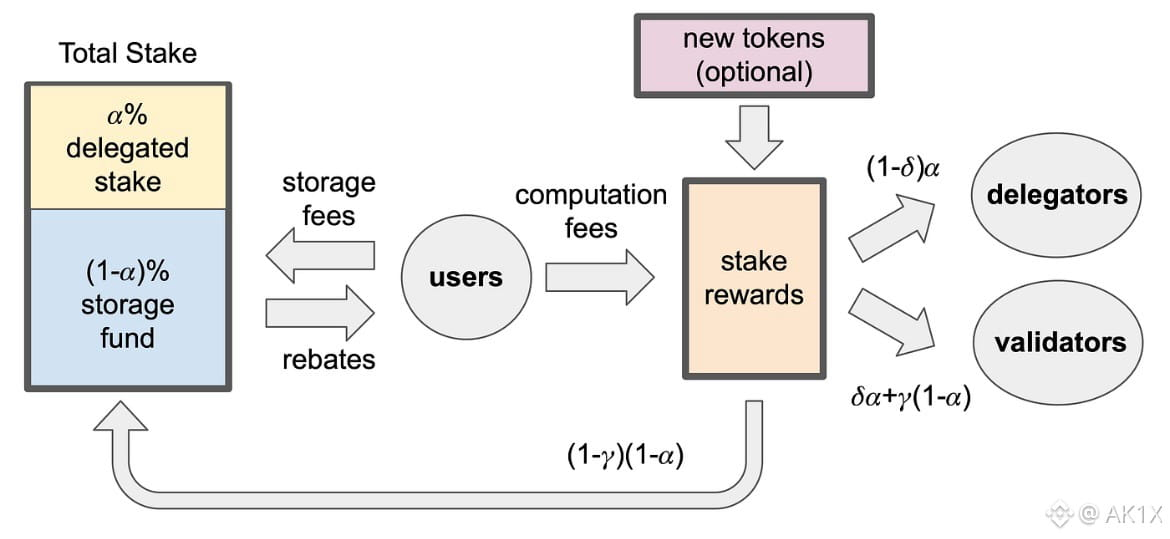
To make the system work in the real world, Walrus uses the WAL token. This token isn’t just for speculation, it has practical utility. Users pay for storage in WAL tokens, and storage providers earn WAL for reliably storing and serving data. There’s also a staking mechanism that rewards good performance and can penalize poor performance. This aligns incentives so operators are encouraged to keep data available and healthy.
What makes Walrus particularly interesting is how it fits into the larger Web3 ecosystem. As decentralized applications evolve beyond simple financial use cases, they will need real, dependable storage for rich user content and AI datasets. Walrus is positioning itself as the foundation for this layer of the stack. Instead of central servers or inefficient replication, it provides a system that is decentralized, scalable, and cost-effective.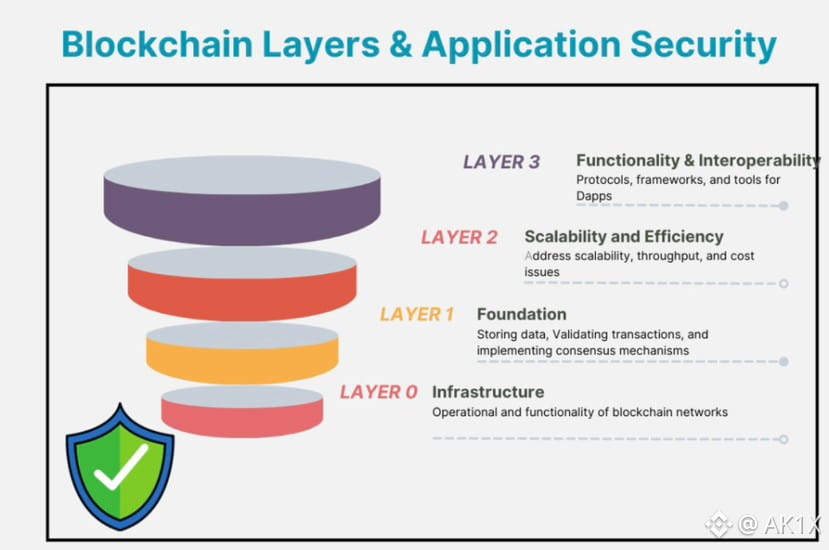
In essence, Walrus is not just another storage solution, it is infrastructure. It fills a gap that many developers and users might not notice until it becomes critically important. But as Web3 grows into media, gaming, and AI, protocols like Walrus will become the backbone that ensures data stays decentralized, available, and secure. In a future where data truly belongs to users instead of servers, Walrus is building the road to get there.

