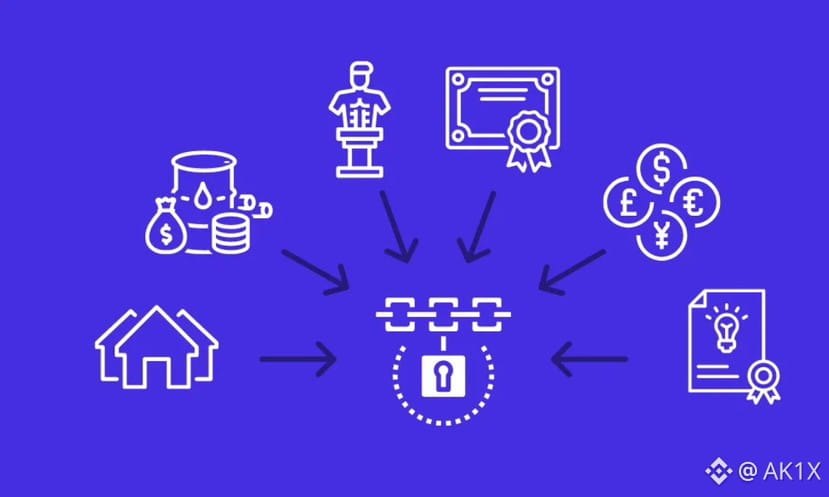
Most blockchains are “open by default.” Anyone can trace transfers, balances, and even what smart contracts are doing. That can be fine for simple crypto use, but it’s a big problem for real financial markets. In regulated finance, companies can’t expose customer data, trade sizes, or deal terms publicly. Dusk Network is built specifically for this gap. Its own docs describe it as “the privacy blockchain for regulated finance,” meaning privacy isn’t an add-on, it’s part of the design.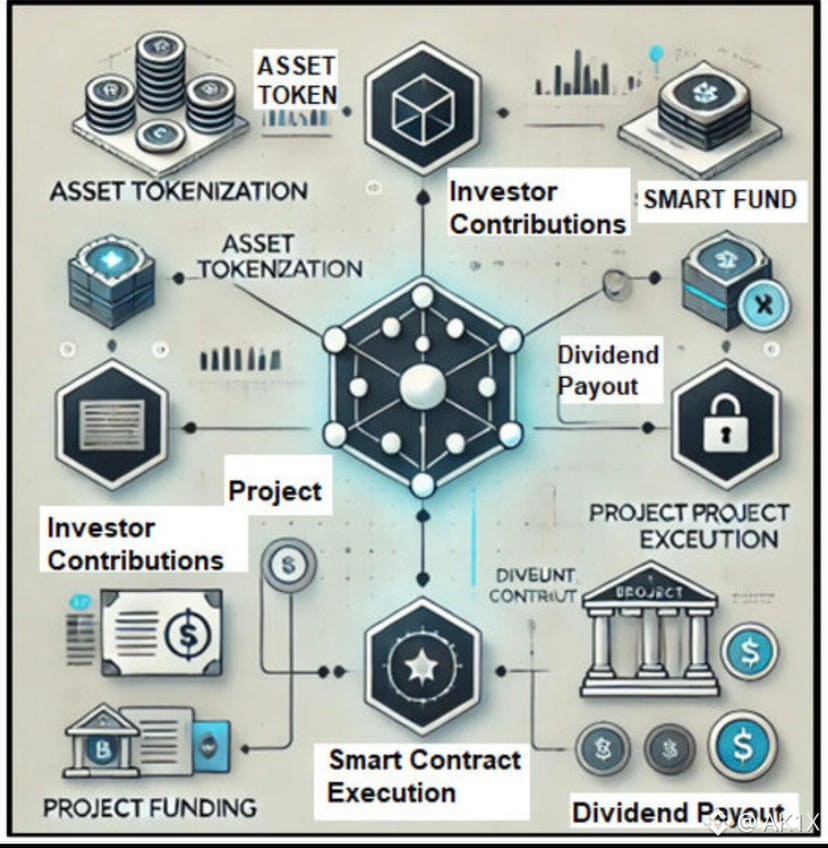
The key idea: selective disclosure
Dusk aims to keep transactions confidential, while still allowing auditability when needed. It uses zero-knowledge proofs (ZKPs) so the network can confirm a transaction follows the rules without revealing the sensitive parts to everyone. The important twist is selective disclosure: auditors or regulators can verify compliance without turning the whole ledger into a public database of private activity. This is one of the biggest reasons Dusk is positioned for institutional adoption instead of retail-only DeFi.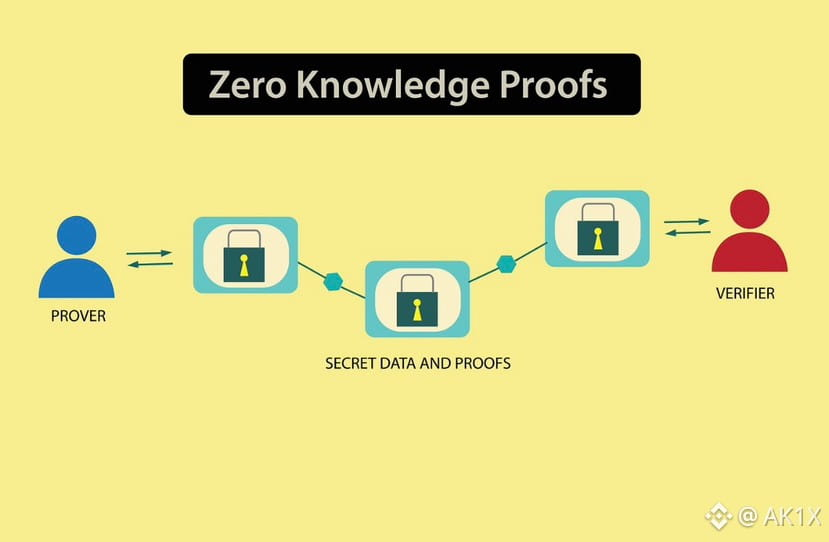
Built like infrastructure, not just an app chain
A newer and very practical part of Dusk’s story is its modular architecture. Instead of one monolithic chain doing everything, Dusk separates responsibilities:
• DuskDS is the base layer for settlement, consensus, and data availability basically the “financial rails” that provide security and finality.
• DuskEVM is an EVM-equivalent execution environment, so developers can use familiar Ethereum tools while inheriting security and settlement guarantees from DuskDS.
This matters because institutions and builders tend to adopt systems faster when the developer experience is familiar, but the underlying settlement layer is designed for stricter requirements.
Why Dusk cares so much about securities and real-world assets
Dusk is not just saying “tokenize assets.” It focuses on regulated instruments where privacy and compliance are mandatory. Dusk promotes XSC (Confidential Security Contract) as a standard for issuing and managing privacy-enabled tokenized securities, so assets can be traded and stored on-chain without exposing sensitive details publicly.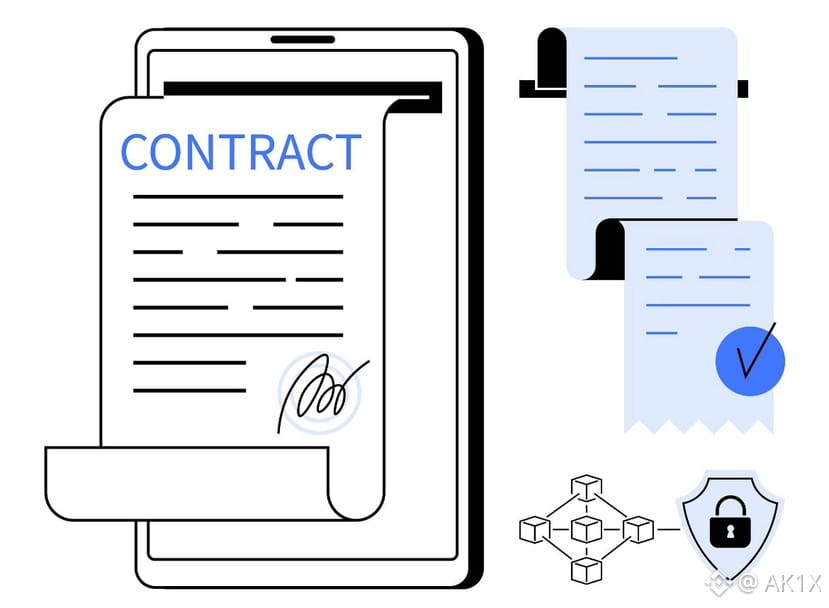
Real integrations that support regulated markets
Dusk has also highlighted integrations to make regulated finance actually work on-chain at scale. For example, Dusk announced a partnership to integrate Chainlink CCIP to move regulated assets across ecosystems more safely, and it has described using DataLink and Data Streams with NPEX to bring verified, high-integrity market data on-chain closer to “official market infrastructure” than typical DeFi data feeds.
Bottom line
Dusk Network’s core bet is simple: finance won’t go fully on-chain unless privacy and compliance are native features. By combining confidential execution, selective disclosure, an EVM-friendly developer layer, and integrations aimed at regulated data and interoperability, Dusk is trying to become the rails for institutional-grade on-chain markets not just another general-purpose blockchain.