

Plasma isn’t trying to be loud.
It’s trying to be useful. And honestly, that’s what makes it interesting.
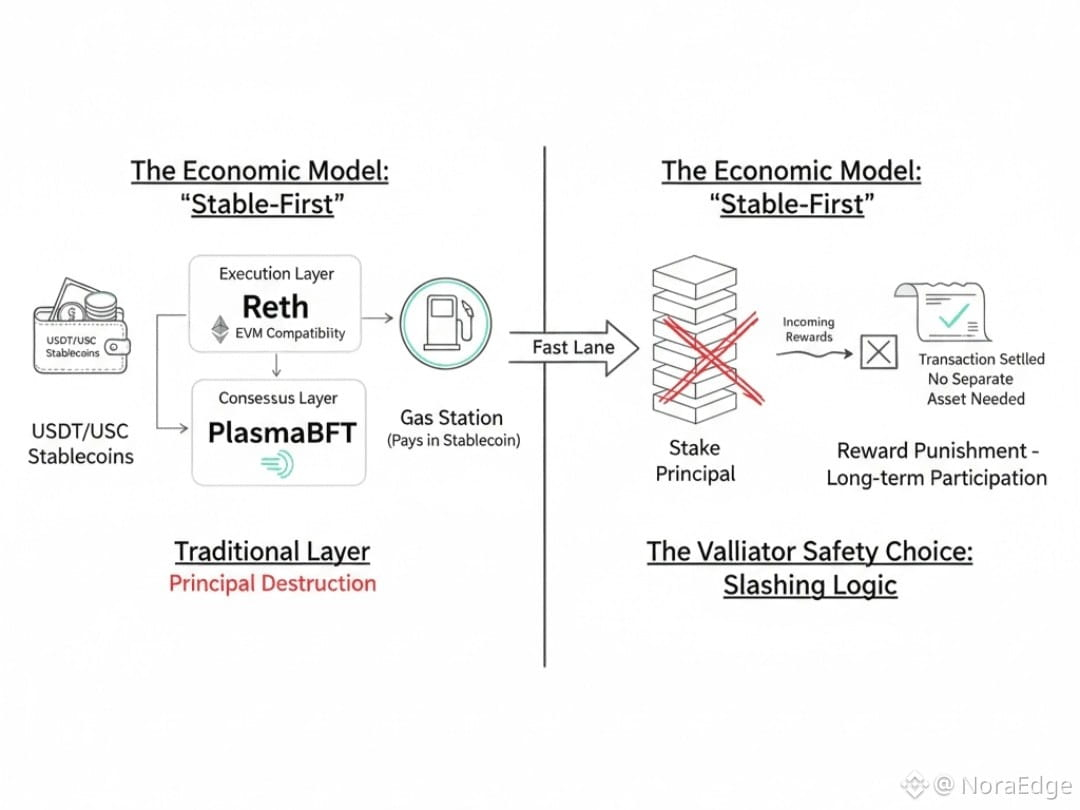
Most blockchains start by flexing tech buzzwords. Plasma starts with a simple question: why are stablecoin payments still slow, clunky, and expensive when they should feel instant? From there, everything about Plasma makes sense.
At its core, Plasma is a Layer-1 blockchain built specifically for stablecoins. Not NFTs. Not memecoins. Not experiments that break every six months. Just payments. Real ones. The kind people and businesses actually want to use.
Here’s where Plasma quietly stands apart.
First, speed. Plasma settles transactions in under a second. No waiting. No guessing if your payment will land. You send, it’s done. That alone already puts it ahead of most networks that still pretend confirmations don’t matter.
Then comes the part users feel immediately: gasless stablecoin transfers. If you’re moving USDT or another stablecoin, you don’t need to hold some random native token just to pay fees. Fees can be handled directly in stablecoins. That sounds small, but it removes one of the biggest friction points in crypto onboarding. No tutorials. No confusion. Just send money.
#Plasma is also fully EVM-compatible, which is a big deal. Developers don’t need to relearn everything. Existing Ethereum tools, wallets, and smart contracts can plug in without pain. That means apps can be built faster, and migrations don’t feel like a nightmare.
Security-wise, Plasma takes a different route. Instead of reinventing trust, it anchors itself to Bitcoin. By periodically committing state to Bitcoin, Plasma borrows from the strongest security model in crypto. It’s not flashy, but it’s smart. Bitcoin does what it does best: final settlement and immutability. Plasma builds speed and usability on top of that.
What really defines Plasma, though, is its focus. It’s not trying to be everything. It’s trying to be the settlement layer for stablecoins. Think merchant payments, remittances, payroll, on-chain finance that actually behaves like finance. Institutions care about predictability. Retail users care about simplicity. Plasma leans into both.

There’s also a subtle shift in philosophy here. Instead of pushing users deeper into speculation, Plasma feels like it’s pulling crypto closer to everyday money movement. Quiet infrastructure. Boring in the best way. The kind of chain that works in the background while people stop thinking about block times and fees altogether.
@Plasma won’t win by hype cycles.
It wins if one day you send a stablecoin payment and don’t even realize you’re using a blockchain.
And honestly, that’s kind of the point.