
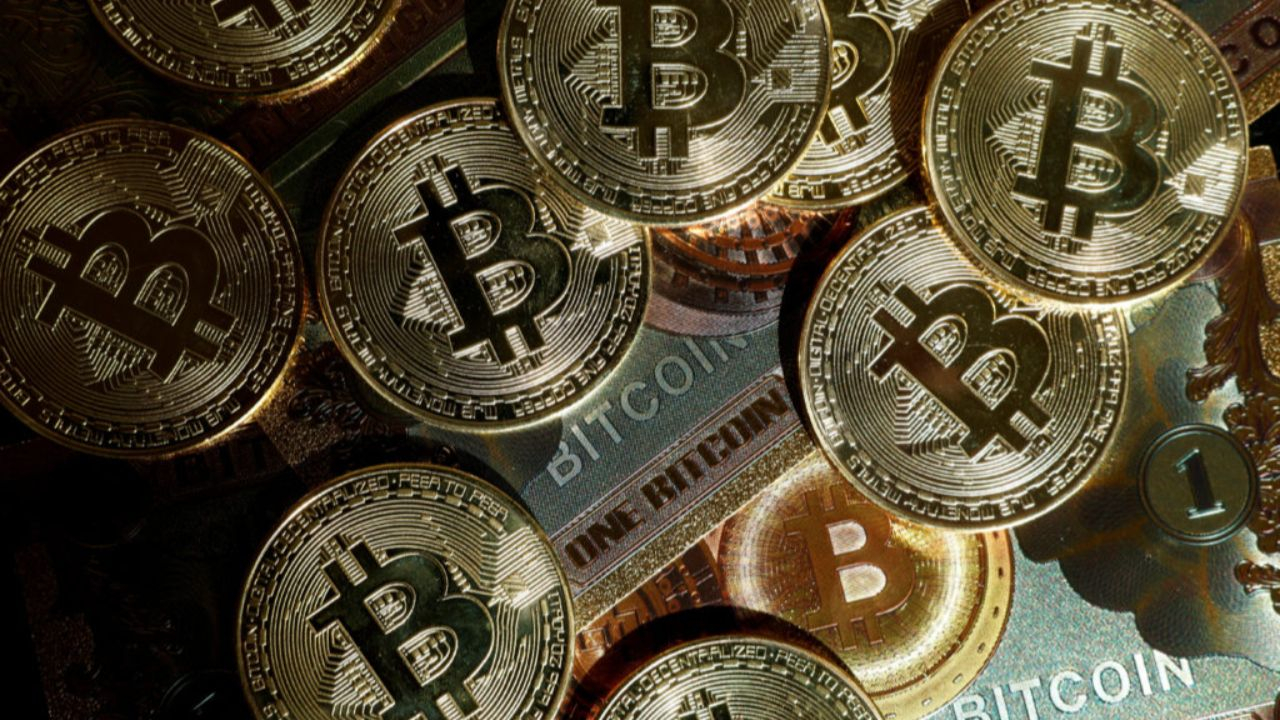
Introduction to #Bitcoin and the Digital Financial Revolution
Bitcoin has emerged as the most influential innovation in the financial world since the creation of the internet. As the first decentralized digital currency, Bitcoin has transformed how individuals, businesses, and institutions perceive money, payments, and value storage. Unlike traditional currencies issued by governments and controlled by central banks, Bitcoin operates on a peer-to-peer network powered by blockchain technology, enabling secure, transparent, and borderless transactions.
In this comprehensive guide, we explore Bitcoin’s origins, technology, benefits, investment potential, and its growing role in the global financial system. Understanding Bitcoin is essential for anyone interested in modern finance, digital assets, and the future of economic exchange.
What Is Bitcoin?
Bitcoin is a decentralized digital currency that allows users to send and receive payments without relying on banks or financial intermediaries. It exists purely in electronic form and is stored in digital wallets. Bitcoin transactions are verified by a distributed network of computers called nodes, ensuring transparency and security.
The defining features of Bitcoin include:
Decentralization: No government or central authority controls the network.
Limited Supply: Only 21 million Bitcoins will ever exist.
Transparency: All transactions are recorded on a public ledger called Blockchain
Security: Advanced cryptography protects transactions and wallet ownership.
These characteristics make Bitcoin fundamentally different from traditional fiat currencies.
The Origin and History of Bitcoin
Bitcoin was introduced in 2008 by an anonymous entity known as Satoshi Nakamoto through a whitepaper titled “Bitcoin: A Peer-to-Peer Electronic Cash System.” The first block of the Bitcoin blockchain, known as the Genesis Block, was mined in January 2009, marking the birth of the cryptocurrency.
In its early days, Bitcoin had little monetary value. One of the most famous early transactions occurred in 2010, when a programmer purchased two pizzas for 10,000 BTC, an event now known as Bitcoin Pizza Day.
Over the years, Bitcoin has evolved from an experimental digital currency into a global financial asset, attracting investors, corporations, and even governments.
How Bitcoin Works
Blockchain Technology
At the core of Bitcoin lies the blockchain, a distributed ledger that records every transaction ever made on the network. Transactions are grouped into blocks and linked together chronologically, forming an immutable chain.
Key characteristics of the blockchain include:
Transparency: Every transaction is publicly verifiable.
Immutability: Once recorded, data cannot be altered.
Security: Cryptographic hashing ensures integrity.
This decentralized system eliminates the need for intermediaries and creates a trustless financial network.
Bitcoin Mining
Bitcoin mining is the process by which new Bitcoins are created and transactions are verified. Miners use powerful computers to solve complex mathematical puzzles that secure the network.
When a miner successfully validates a block, they receive a block reward consisting of newly created Bitcoin and transaction fees.
Important mining aspects:
Mining secures the network
Ensures transaction verification
Maintains Bitcoin’s decentralized structure
Over time, mining rewards decrease through an event called the Bitcoin Halving, which occurs approximately every four years.
Why Bitcoin Is Valuable
Bitcoin’s value stems from several fundamental characteristics that differentiate it from traditional financial assets.
1. Digital Scarcity
Bitcoin has a fixed supply of 21 million coins, making it one of the few truly scarce digital assets. This scarcity creates long-term value similar to precious metals such as gold.
2. Decentralized Financial Control
Bitcoin removes the need for banks or government oversight. Users maintain full control of their funds through private cryptographic keys, ensuring financial sovereignty.
3. Borderless Transactions
Bitcoin enables instant global transfers without the restrictions of banking systems or currency conversions.
Benefits include:
Lower transaction fees
Faster cross-border payments
24/7 availability
4. Hedge Against Inflation
Many investors consider Bitcoin a store of value, often referred to as “digital gold.” Because its supply cannot be inflated, it serves as protection against currency devaluation.
How to Buy Bitcoin
Purchasing Bitcoin has become easier than ever thanks to cryptocurrency exchanges and financial platforms.
Steps to Buy Bitcoin
1.Choose a Cryptocurrency Exchange
Examples include global exchanges and trading platforms.
2.Create and Verify an Account
Identity verification ensures security and regulatory compliance.
3.Deposit Funds
Users can deposit funds via bank transfer, credit card, or payment services
4.Buy Bitcoin
Enter the desired amount and execute the purchase.
Store Bitcoin Securely
Transfer funds to a secure crypto wallet for long-term storage.
 BTC77,391.52+3.33%BTCUSDTБезсрочно77,383.8+3.31%
Bitcoin Wallets Explained
A Bitcoin wallet is a digital tool used to store, send, and receive cryptocurrency.
There are several types of wallets:
1. Hardware Wallets
Physical devices designed for maximum security.
2. Software Wallets
Applications installed on computers or mobile devices.
3. Web Wallets
Online platforms accessible via web browsers.
4. Paper Wallets
Printed versions of private keys stored offline.
Hardware wallets are widely considered the most secure option for long-term Bitcoin storage.
Bitcoin Investment Potential
Bitcoin has become a major asset class for investors seeking growth and diversification.
Institutional Adoption
Major financial institutions and corporations have begun integrating Bitcoin into their portfolios, recognizing its potential as a long-term store of value.
Institutional interest has driven:
Increased liquidity
Market maturity
Broader global adoption
Long-Term Growth
Bitcoin has delivered some of the most impressive returns in financial history. While the market experiences volatility, the long-term trend shows significant growth driven by increasing demand and limited supply.
Bitcoin Use Cases in the Modern Economy
Bitcoin’s utility extends far beyond simple investment.
Global Payments
Bitcoin enables instant international payments without banks or intermediaries.
Remittances
Millions of people worldwide use Bitcoin to send money across borders with lower fees.
Online Commerce
Many online merchants now accept Bitcoin as a payment method.
Financial Inclusion
Bitcoin provides financial services to individuals without access to traditional banking systems.
Bitcoin Security and Risks
While Bitcoin is highly secure, users must take precautions to protect their assets.
Security Best Practices
Use hardware wallets
Enable two-factor authentication
Avoid sharing private keys
Store recovery phrases offline
Market Volatility
Bitcoin’s price can fluctuate significantly due to market sentiment, regulation, and macroeconomic factors.
Long-term investors typically focus on fundamental adoption trends rather than short-term price movements.
The Future of Bitcoin
Bitcoin continues to evolve as technology advances and adoption grows. Several trends are shaping its future:
Integration with global financial systems
Increased institutional investment
Development of Layer-2 scaling solutions
Expansion of decentralized finance ecosystems
As digital assets become more widely accepted, Bitcoin remains the foundation of the cryptocurrency industry and the benchmark for decentralized financial innovation.
Conclusion
Bitcoin represents a transformative shift in how value is stored, transferred, and secured in the digital age. Its decentralized structure, limited supply, and global accessibility position it as one of the most significant financial innovations of the 21st century.
As adoption continues to expand across industries and borders, Bitcoin’s role as a digital store of value and global payment network becomes increasingly important. Individuals, investors, and institutions alike are recognizing Bitcoin as a cornerstone of the evolving digital economy.
Understanding Bitcoin today means preparing for the future of finance tomorrow.