
Yesterday I sat on the balcony watching my neighbor argue with the delivery guy over a package that clearly wasn't his. The guy insisted the name on the label matched the building, but my neighbor kept saying, "That's not me, anyone could have used that name." It was such a small, everyday friction—proof that even in the physical world, identity is slippery and contested.
Scrolling later on Binance Square, I clicked into the CreatorPad campaign for the SIGN project. One of the tasks required reading "Understanding Digital Identity in Crypto: Where SIGN Fits In" and then posting about it with the specific hashtag. As I skimmed the piece and hovered over the input box, something shifted. The article described how SIGN embeds verifiable credentials and on-chain identity directly into infrastructure, making signatures tamper-proof and tied to real control. But in that moment, typing out a few sentences while the task counter ticked up, it hit me: we're rushing to put identity on-chain as if that alone solves the mess, yet it might just make the mess permanent and harder to escape.
The uncomfortable truth is that true digital sovereignty sounds liberating until you realize most people don't want to be their own sovereign. They want someone else to handle the headaches of verification, recovery, and disputes. Crypto has long preached "not your keys, not your coins" as gospel, extending it quietly to identity—your data, your rules. But performing that simple CreatorPad task, where the platform already knew I was a verified user and nudged me to signal engagement with #SignDigitalSovereignInfra, made the contradiction feel raw. Here I was, leaning on Binance's centralized gatekeeping to earn points by praising a project that promises to remove such gatekeepers. It disturbed me because it exposed how optional "decentralization" really is for daily life. People will gladly trade a bit of control for convenience, and no amount of cryptographic elegance changes that human wiring.
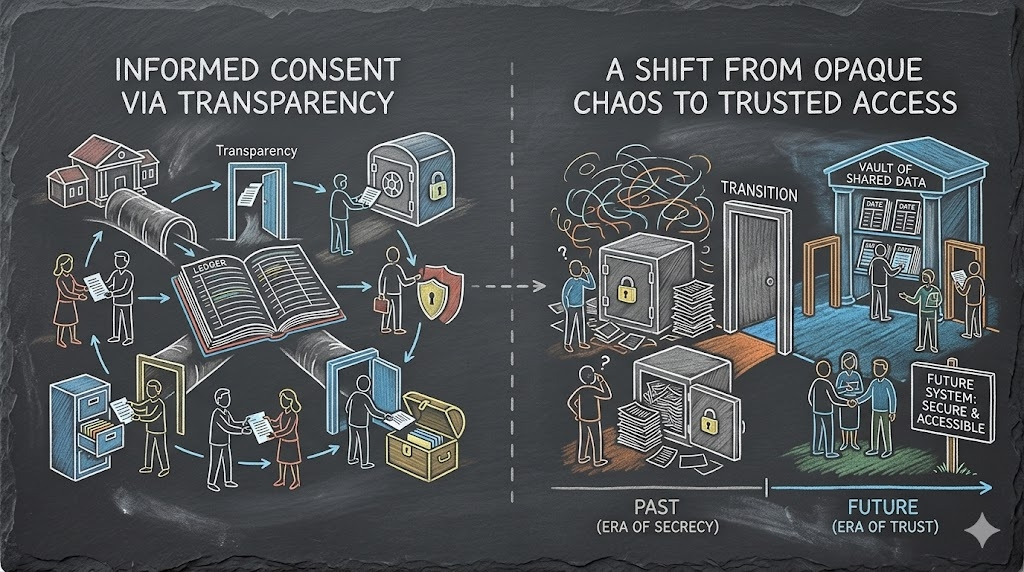
This isn't unique to SIGN; the project simply makes the pattern visible by building a unified layer for credentials, identity, and token distribution that governments or large systems could actually adopt. It treats identity as programmable infrastructure rather than a personal fortress. Yet expanding the thought, the deeper challenge to crypto belief is that on-chain identity doesn't democratize power—it formalizes existing power imbalances. In a world where wallets get drained, phrases forgotten, and support tickets ignored, handing users full responsibility for their digital selves assumes a level of diligence and technical comfort that most never reach. We've romanticized self-custody as empowerment, but for the majority it's a burden disguised as freedom. Real sovereignty requires not just tools but the capacity and willingness to use them, and crypto communities often shame anyone who admits they prefer a trusted intermediary.
SIGN stands out as an example because it doesn't pretend everyone will run their own node or manage complex key hierarchies. It layers verifiable data in ways that could scale to national levels, where identity isn't purely individual but part of a shared, auditable fabric. That feels risky to admit in crypto circles, where any hint of institutional fit gets labeled as centralization betrayal. But the task of reflecting on their approach forced the question: what if the revolution isn't about everyone owning their identity outright, but about making verification so seamless and transparent that trust becomes optional rather than enforced?
It leaves me wondering—how many of us chasing decentralized ideals are secretly relieved when a platform like Binance Square handles the verification for us?