
I’m watching how this whole thing plays out before I decide what it really is.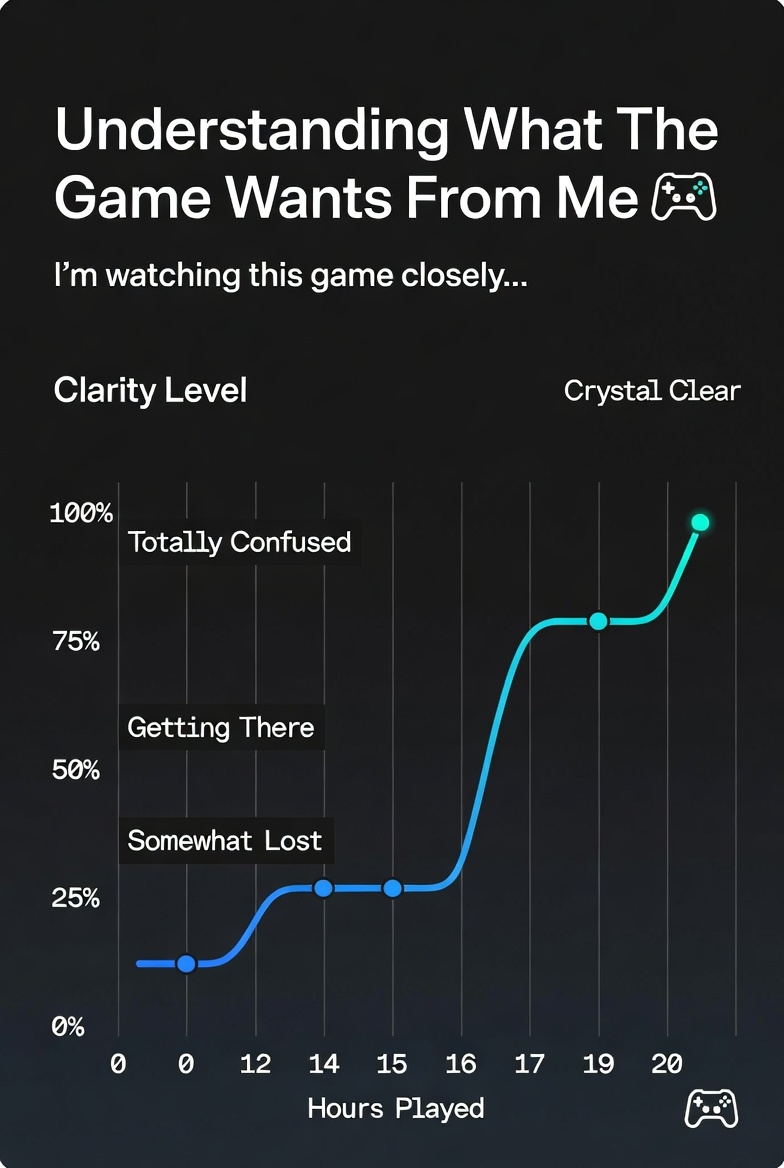
At first, it looks simple. Almost too simple. You log in, do a few actions, see numbers go up. The usual loop. The kind that feels familiar enough that your brain stops questioning it. And maybe that’s the point. Keep it soft on the surface so you don’t immediately notice what’s underneath.
But I’ve been noticing the small shifts.
Not in what the game tells you… but in what it quietly expects from you.
You’re not just clicking. You’re not just progressing. You’re feeding something. Every action feels like it has a second purpose, like there’s another layer counting, measuring, deciding if what you’re doing actually matters.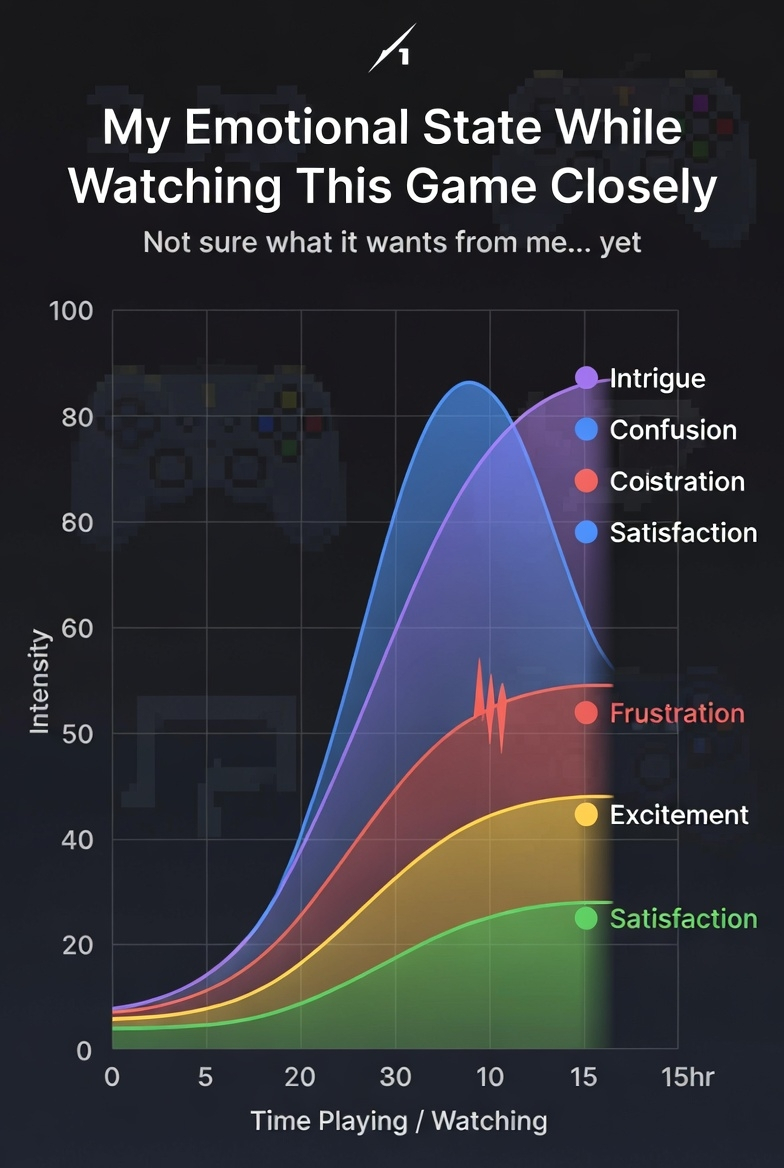
And that’s where it starts to feel different.
Most games like this? You play, you earn, you leave. That’s the loop. Clean. Predictable. Disposable. But here… it doesn’t feel like it wants you to leave. It nudges you to stay. To reinvest. To think twice before you pull anything out.
Not forced. Just… designed that way.
I’ve been looking at how the rewards behave. They don’t come across like free money. They feel conditional. Like the system is watching how you play, not just how much you play. There’s a difference. A subtle one, but it changes everything.
Because now it’s not just about grinding.
It’s about participation.
And I’m not fully sold on that yet.
Part of me likes it. It makes things feel less extractive, less like a race to drain value before everyone else does. But another part of me keeps asking the obvious question… what happens when people figure out how to game this too?
Because they always do.
That’s the pattern. Every system looks solid until someone finds the cracks. And once they do, it spreads fast. Faster than any dev team can patch. So while this feels controlled right now, I can’t tell if it’s actually stable… or just early.
I focus on how much of this depends on people behaving “properly.”
That’s always risky.
You can design loops. You can guide behavior. But you can’t control intent. If players decide to optimize instead of engage, the whole dynamic shifts. It always does.
Still… I can’t ignore what it’s trying to do.
It doesn’t feel like a finished product. It feels like something in motion. Something testing boundaries. Seeing how far it can push before it breaks or before it actually works.
And that’s the part that keeps me here.
Not because I’m convinced.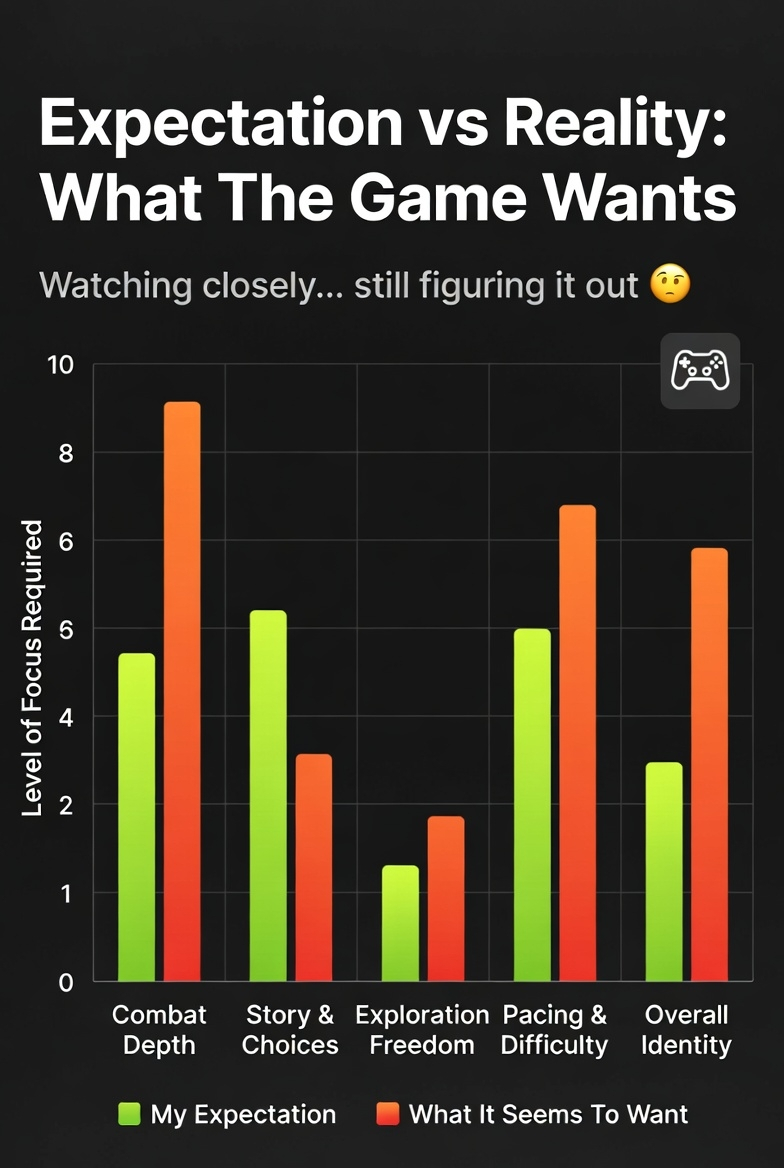
But because I’m curious what happens next.