

My fam you still look at Web3 games and assume it’s just “farm, grind, earn, repeat.” 👀
But @Pixels is building a slightly different angle on that idea.
Built on the Ronin Network, it focuses on something most GameFi projects ignore early on: long-term retention through systems, not hype cycles.
At the core, PIXEL connects a few layers that slowly turn into a full loop:
It starts with farming and resource gathering simple, accessible gameplay that lowers the entry barrier. From there, exploration opens up new zones and hidden progression paths, encouraging players to move beyond just repetitive grinding.
Then comes the social layer. Players aren’t isolated they trade, collaborate, and compete inside a shared world. That interaction is what keeps the economy and activity alive.
Creation is another big piece. Land customization, crafting, and building systems turn players from participants into contributors. You’re not just playing inside a world you’re shaping parts of it.
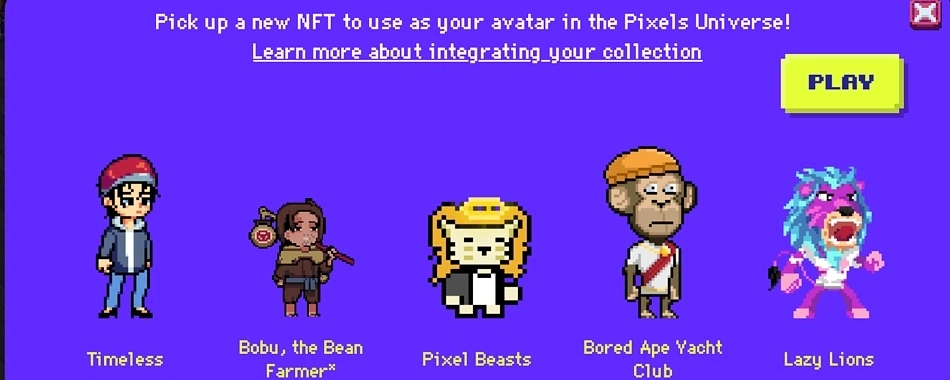
Economy and rewards are woven into all of this through NFTs and in-game assets, but ideally they sit inside gameplay rather than feeling external to it.
Now the important part most people overlook: security and infrastructure.
PIXEL benefits from Ronin’s post-incident rebuild phase, where security became a core priority after the ecosystem learned from earlier breaches. The network moved toward stronger validator decentralization, improved bridge security mechanisms, and more robust monitoring of asset movement. On the game side, wallet integrations, asset custody flows, and transaction handling are designed to reduce friction while keeping user ownership transparent and verifiable on-chain.
This matters because in Web3 gaming, trust isn’t just about gameplay it’s about whether assets are actually safe.
So when you zoom out, $PIXEL isn’t just a farming game with NFTs attached.
It’s trying to become a full loop ecosystem: play → progress → own → interact → create
And under that, a growing emphasis on secure infrastructure that can actually support long-term player economies instead of short-lived cycles.
The real test won’t be onboarding users.
It’ll be whether those users stay because the system feels both fun and safe enough to build inside.