
One of the most consequential trade policy reversals in modern American history quietly began this week — and it deserves far more attention than it's currently getting.
The Trump administration has started accepting applications to refund over $166 billion in tariffs collected from importers, following a Supreme Court ruling in February that struck down the duties at the core of the president's trade agenda. The court found that using the 1977 International Emergency Economic Powers Act to impose sweeping global tariffs — something no president had ever attempted before — was unlawful.
That ruling didn't just end a legal battle. It set in motion a repayment process unlike anything seen in recent American trade history.
The scale of this is genuinely staggering.
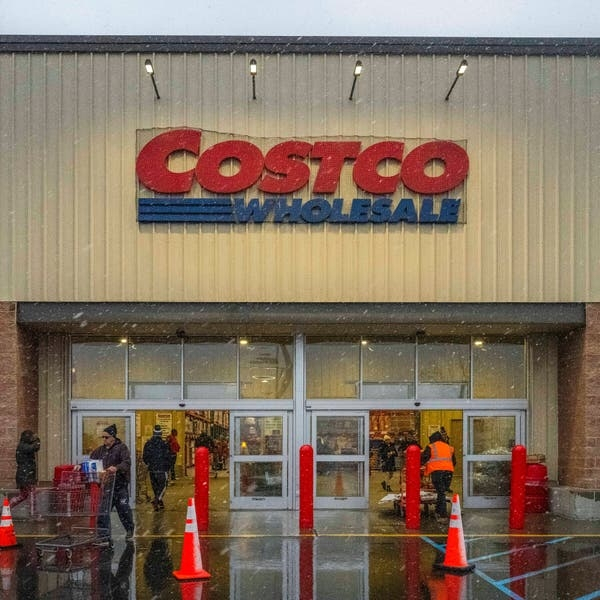
Over 330,000 importers paid IEEPA duties on more than 53 million entries. The outstanding balance is accruing roughly $650 million in interest every single month — around $22 million per day. More than 3,000 businesses, including household names like FedEx and Costco, had already filed lawsuits to secure their refunds before the application portal even launched on Monday.
For many of those businesses, this money is not abstract. A Los Angeles distillery paid nearly $100,000 in tariffs now deemed illegal. An outdoor apparel company is expecting around $250,000 back. These are real businesses that had to make real choices — absorb the costs, cut staff, raise prices, or find ways to survive a year of trade policy that has now been ruled unconstitutional.
But here's where the story gets complicated — and honestly, a little frustrating.
The refund process is new, untested, and built under enormous pressure. The system launched Monday, known as CAPE, can currently only process around 63% of eligible import entries. Government estimates suggest refunds could take 60 to 90 days once a filing is accepted. Legal experts are already tempering expectations, noting they'd be "pleasantly surprised" if payments arrived on that timeline given the technical complexity involved.
And there is a deeper issue sitting underneath all of this.
The businesses that paid the tariffs can apply for refunds. The millions of ordinary American consumers who paid higher prices for goods over the past year cannot. Their only recourse lies in class-action lawsuits — a path that is slow, uncertain, and unlikely to result in meaningful individual recovery for most people.
FedEx has publicly stated it will try to return refund money to customers, since it frequently acts as the importer of record and passed duties on to the businesses and individuals who purchased the goods. Costco has signalled it may pass savings on to shoppers. But most companies have made no such commitment, and economists are not expecting a broad, immediate pass-through to consumers.
Why? Because the uncertainty isn't over.
The administration is already building the next set of tariffs.
Using separate authority under the 1974 Trade Act, the Trump administration has opened investigations into dozens of countries' trade practices — investigations widely expected to produce replacement tariffs of similar magnitude to those just struck down. A temporary 10% tariff on most imports under another section of the same law is already in effect and facing its own legal challenges.
In other words, the businesses now waiting for refunds are simultaneously bracing for the next round of duties. That reality limits how much of this money will flow back into hiring, expansion, or consumer price reductions. As one economist put it plainly — businesses "are still in a world of uncertainty" and that dynamic hasn't fundamentally shifted.
What this episode reveals about trade policy is worth sitting with.
The tariff strategy was sold to the American public as a revenue generator that would make America wealthy, strengthen domestic industry, and force trading partners to the table. What it actually produced — at least in part — was a $166 billion liability, a Supreme Court defeat, a year of disruption for hundreds of thousands of businesses, higher consumer prices, and a refund process that legal experts are already describing as opaque and uncertain.
The small business owners who bore the weight of this policy for over a year put it best. Even if refunds arrive, they said, the layoffs, the cut costs, the lost customers — those harms are not reversible. The money coming back does not undo what the year cost them.
That's a lesson worth remembering as the next chapter of American trade policy takes shape.
#TradePolicy #TrumpTariffs #USEconomy #SupremeCourt #SmallBusiness


