
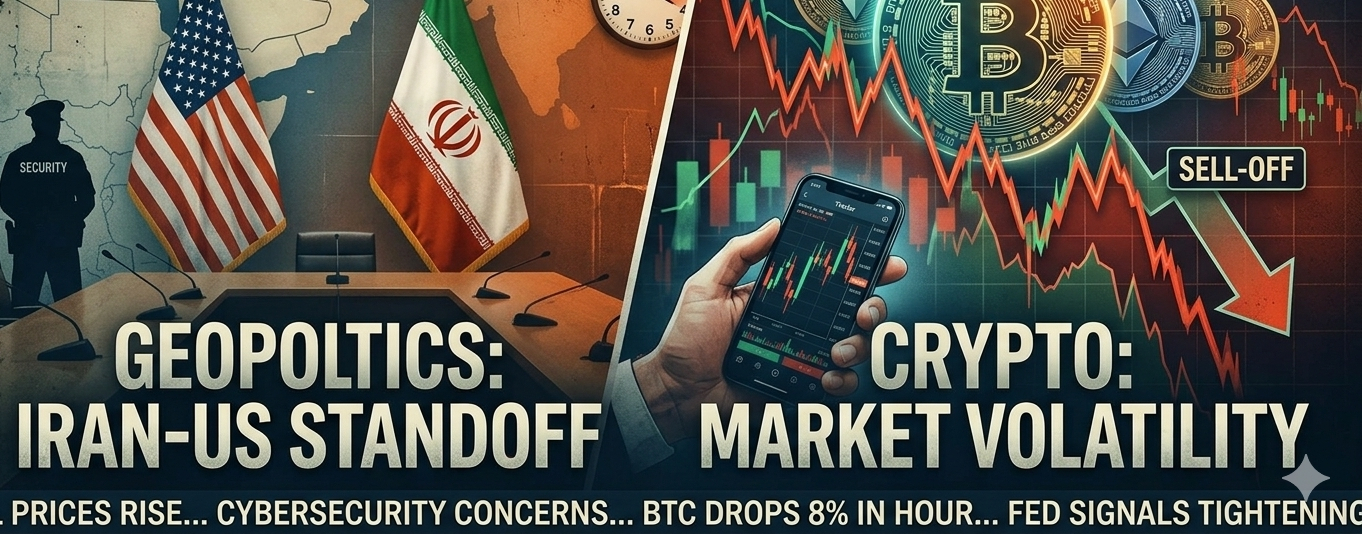
1. The Geopolitical Standoff
Failed Negotiations: Talks in Islamabad recently stalled after Iran refused to dismantle nuclear facilities, leading to an intensification of the U.S. naval blockade.
Hormuz Tensions: The Strait of Hormuz remains a flashpoint; recent reports indicate the IRGC fired on vessels and the U.S. Navy seized an Iranian ship, leading to a "risk-off" mood in global markets.
Expiring Ceasefire: A temporary 5-day suspension of strikes directed by President Trump is nearing its deadline (April 22), creating significant anxiety regarding potential military escalation.
2. Impact on Crypto Volatility
Bitcoin as a "Digital Seismograph": BTC has increasingly acted as a high-beta proxy for global stability. It hit a 2026 low of approximately $65,834 earlier this month following military rhetoric but has since stabilized in a range between $65,000 and $71,000.
Institutional "Dip Buying": Unlike previous cycles, spot Bitcoin ETFs are showing resilience. Large inflows suggest institutional investors are treating geopolitical "FUD" (Fear, Uncertainty, Doubt) as a buying opportunity rather than a reason to exit.
The "Flight to Safety" Debate: While Bitcoin still reacts like a risk asset (dropping on strike headlines), some analysts argue it is beginning to behave like a safe-haven asset, similar to gold, as investors seek alternatives outside traditional banking systems during wartime.
3. Key Indicators to Watch
Oil Prices: Brent crude has surged above $100/barrel. Sustained high energy costs create inflationary pressure, which typically hampers crypto recovery.
$74,000 Resistance: Analysts suggest that a breakthrough above $74k would require a formal ceasefire or significant diplomatic de-escalation.
Leverage Flush: Rapid price swings triggered by "breaking news" headlines are frequently liquidating over-leveraged traders, contributing to the "choppy" nature of the current market.