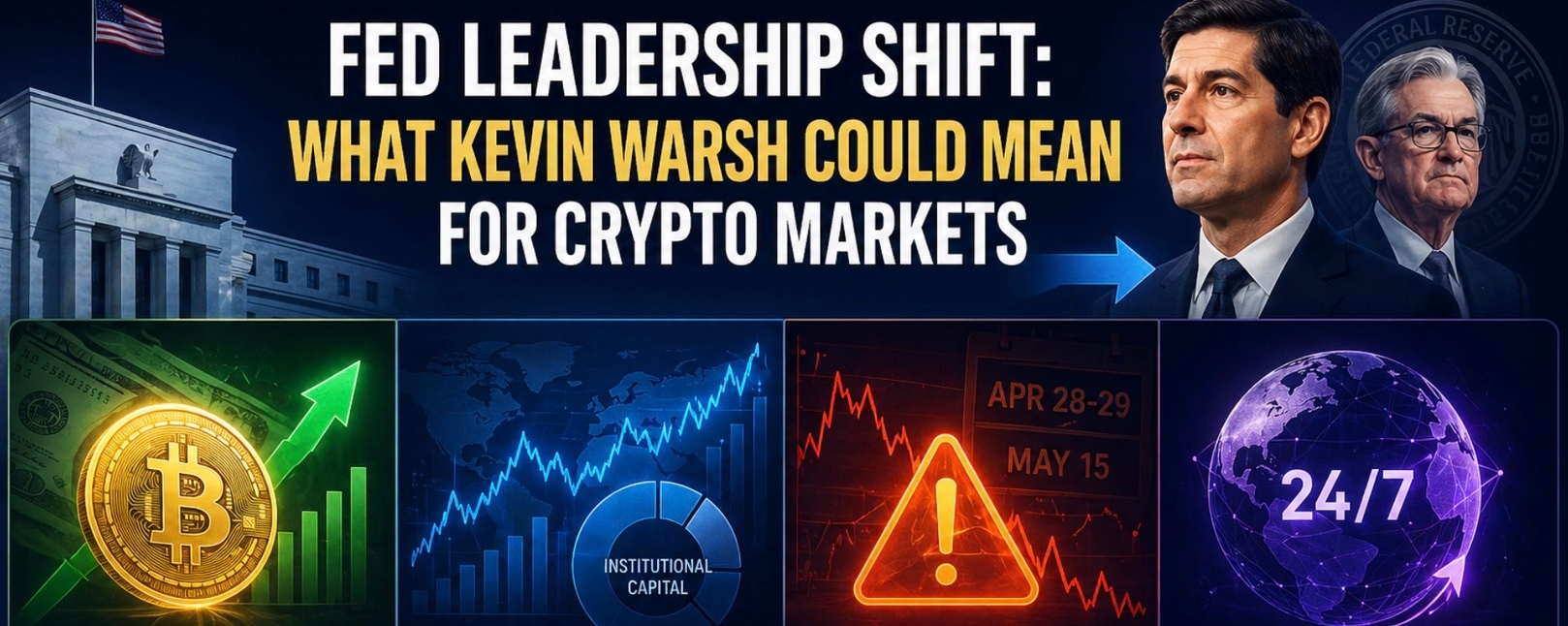
Bitcoin holders are already feeling the tension. With Jerome Powell’s time at the Federal Reserve winding down, May 15, 2026, looks set to hand the reins to Kevin Warsh—and the crypto market is split on what comes next. Is this the “sound money” reset that finally validates Bitcoin as real money, or will it just spark another messy stretch of volatility while everyone scrambles to reposition?
Warsh has always pushed for discipline at the Fed: shrinking the bloated balance sheet, prioritizing long-term dollar stability over short-term stimulus, and basically getting back to basics instead of flooding the system with easy cash. That’s a big departure from the Powell years, where loose policy kept risk assets like Bitcoin riding high but also created the very distortions crypto was supposed to fix.
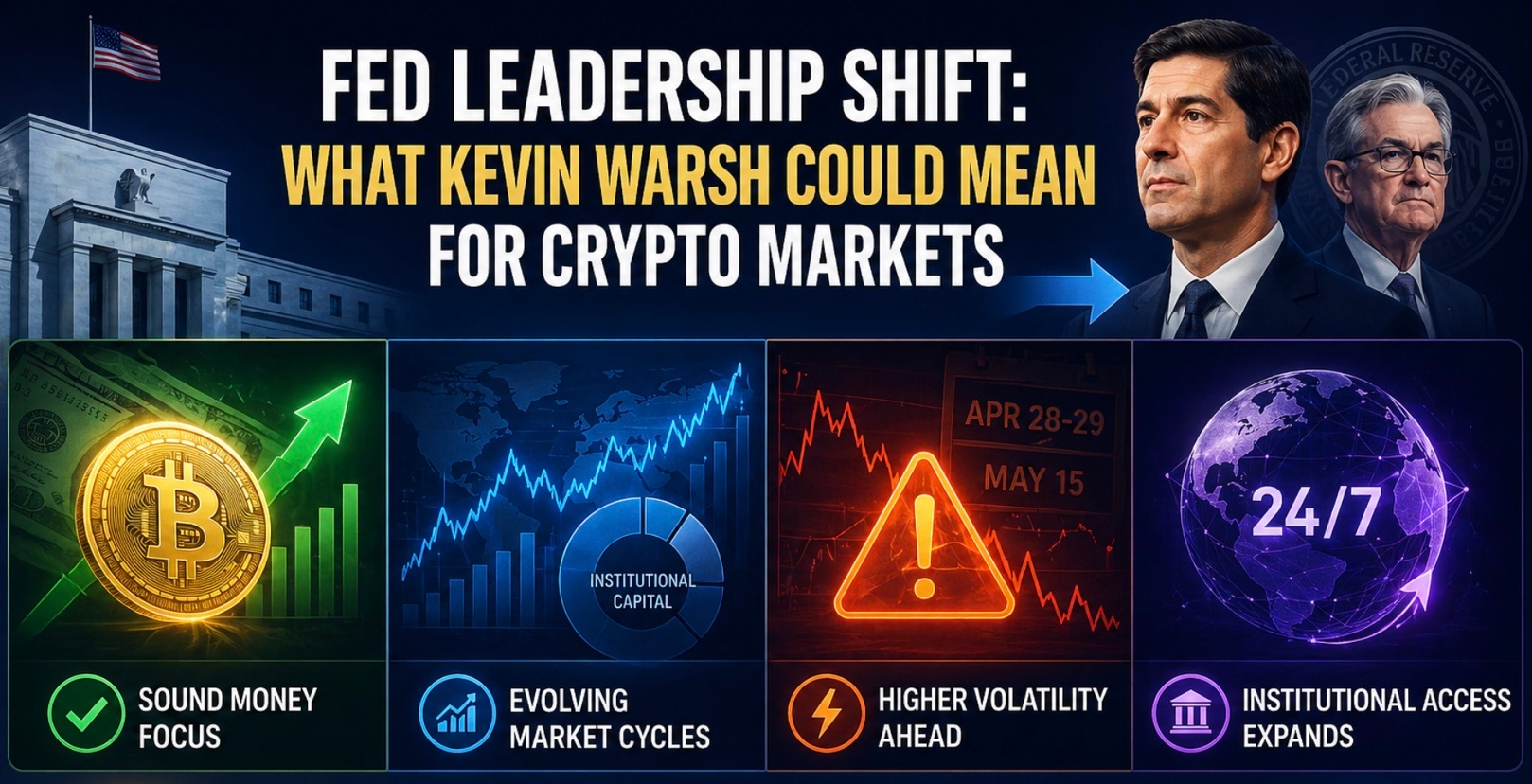
History shows the pattern clearly. Bitcoin’s monster rallies have usually lined up with easy-money periods, while tightening cycles often capped the peaks and triggered painful drawdowns. But 2026 isn’t 2021 or 2022 anymore. The market is far more institutional now—spot Bitcoin ETFs have pulled in tens of billions, corporations are treating it as a treasury asset, and big money isn’t just speculating anymore. That structural shift could blunt some of the old Fed-policy pain.
Still, the next few weeks look bumpy. The April 28-29 FOMC meeting might be Powell’s final act, which almost always triggers profit-taking and positioning games. Then the May 15 handover adds fresh uncertainty as traders try to read Warsh’s first signals ahead of the June meeting. Expect swings.
Here’s my take, straight up: this sound-money pivot is a long-term bullish catalyst for Bitcoin, not just noise. A Fed that actually respects scarcity and stability doesn’t kill Bitcoin’s edge—it sharpens it. When the dollar stops getting debased at will, Bitcoin’s fixed 21 million supply starts looking like the only truly reliable store of value in the system. Institutions already get this; the transition just makes the case even stronger. Short-term jitters? Sure. Long-term, it reinforces exactly why people stack BTC in the first place.
 What do you think—is Warsh’s Fed the best thing to happen to Bitcoin in years, or will it just keep the price chopping around for a while?