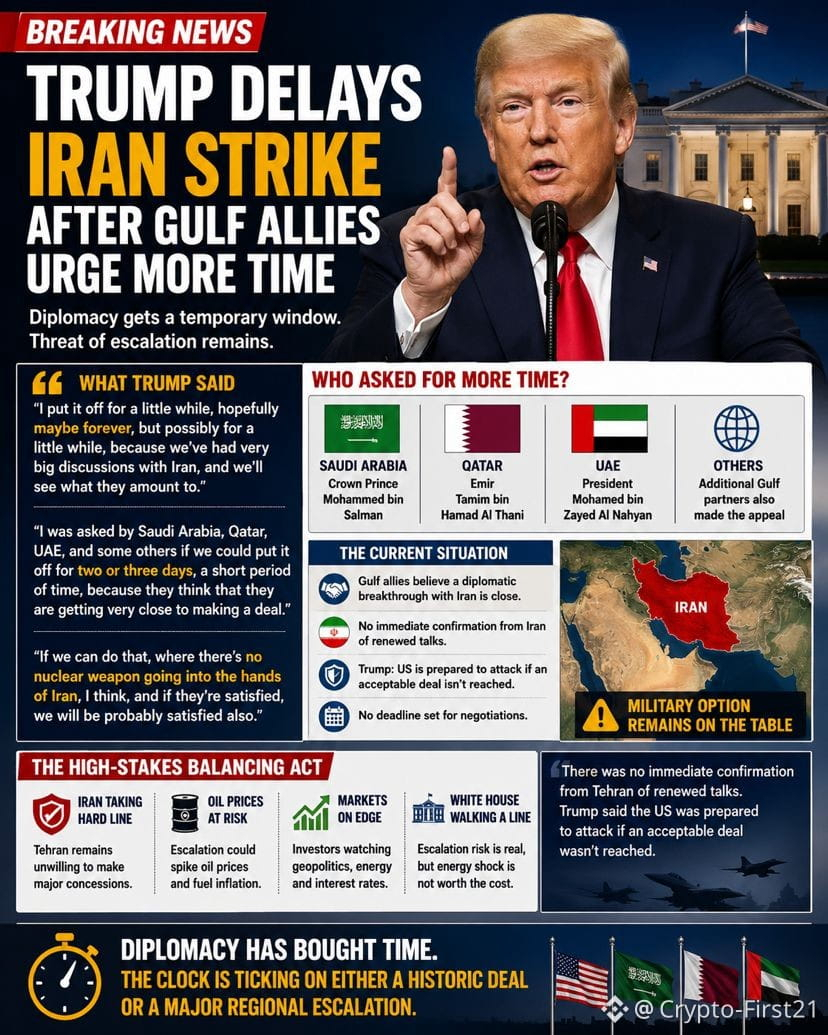
No One Wants to Jump Into the Fire: U.S.–Iran Tensions Through Today’s Ground Realities (May 2026)
The most important reality shaping Washington and Tehran right now is simple: both can hurt the other, but neither can “win cleanly” at acceptable cost. That doesn’t eliminate risk, but it strongly pushes both sides toward containment—managed pressure, limited actions, and de‑escalation after spikes.
1) The U.S. reality: power, but high political and operational cost
The United States has overwhelming strike capability and regional reach, yet a direct fight with Iran is rarely attractive because:
Regional exposure is large. U.S. forces, bases, partners, and shipping lanes in the Middle East are within range of Iranian missiles/drones and allied groups.
Escalation is hard to control. Even a “limited” strike can trigger retaliation cycles that force follow‑on strikes to restore deterrence.
Domestic priorities compete. The U.S. tends to avoid open‑ended conflicts that consume attention, money, and political capital.
So the U.S. posture usually becomes: deter, defend, punish if necessary, but avoid a long war.
2) Iran’s reality: resilience and leverage, but major vulnerabilities
Iran has built a strategy around survivability and asymmetric leverage:
Missiles/drones and regional partners create credible retaliation options without needing conventional air superiority.
Geography and internal security make regime‑toppling campaigns costly and uncertain for any attacker.
But Iran also faces constraints:
Economic pressure and sanctions limit room for prolonged conflict.
Critical infrastructure and command nodes can be targeted if escalation becomes direct.
Risk of isolation rises if actions are seen as destabilizing key trade and energy routes.
So Iran’s posture often becomes: signal strength, retaliate in calibrated ways, avoid steps that invite overwhelming response.
3) Why “nobody jumps into the fire” is a reasonable baseline
Even when tensions rise, both sides tend to prefer controlled confrontation over open war because:
Deterrence is mutual. The U.S. can strike hard; Iran can impose real costs regionally.
The Gulf economy is fragile to conflict shocks. A major war threatens energy flows and global prices—hurting allies and neutrals too.
Backchannels exist. Quiet messaging (direct or indirect) helps both sides step down after escalatory moments.
This produces a pattern: spikes → limited response → signaling → de‑escalation, rather than a straight line into full war.
4) The real danger isn’t “planned war”—it’s the accident chain
The highest risk comes from situations where neither side intends war but events force choices:
a deadly strike with disputed attribution,
a retaliatory response that hits the wrong target,
an attack that causes mass casualties and creates a “must respond” political moment,
misreading signals during a fast-moving crisis.
That’s why “no one wants war” can be true and danger can still exist.
5) Bottom line
Based on ground incentives, a deliberate full-scale U.S.–Iran war remains unlikely because it is costly, unpredictable, and strategically distracting for both. The more realistic risk is limited strikes and retaliation, plus proxy or maritime incidents that both sides then try to contain.
If you want, I can tailor this article to the angle you care about most:
1) Crypto/markets angle (how conflict risk hits BTC, oil, USD, and altcoins)
2) Military-realism angle (what each side can actually do and where the red lines are)
3) Probability frame (most likely paths for the next 6–12 months, with triggers)