

Imagine living in a world where opening a bank account is nearly impossible.
No nearby bank branch. No access to savings products. No affordable way to send money abroad. No opportunity to earn interest on your savings.
For more than 1.3 billion adults worldwide, this is still reality today. Yet a quiet financial revolution is changing that story—and it is happening through smartphones, stablecoins, and crypto platforms.
The Global Financial Gap
Traditional banking has expanded dramatically over the past decade, but large gaps remain.
According to the World Bank's Global Findex Report, mobile technology has become one of the most powerful drivers of financial inclusion, helping millions access savings and digital payments for the first time. In developing economies, formal saving has reached record levels as mobile-based financial services become more accessible.
Yet access is still uneven.
Many people face barriers such as minimum account balances, documentation requirements, expensive international transfers, limited banking infrastructure, and restricted access to investment products.
This is where crypto—and particularly stablecoins—enters the picture.
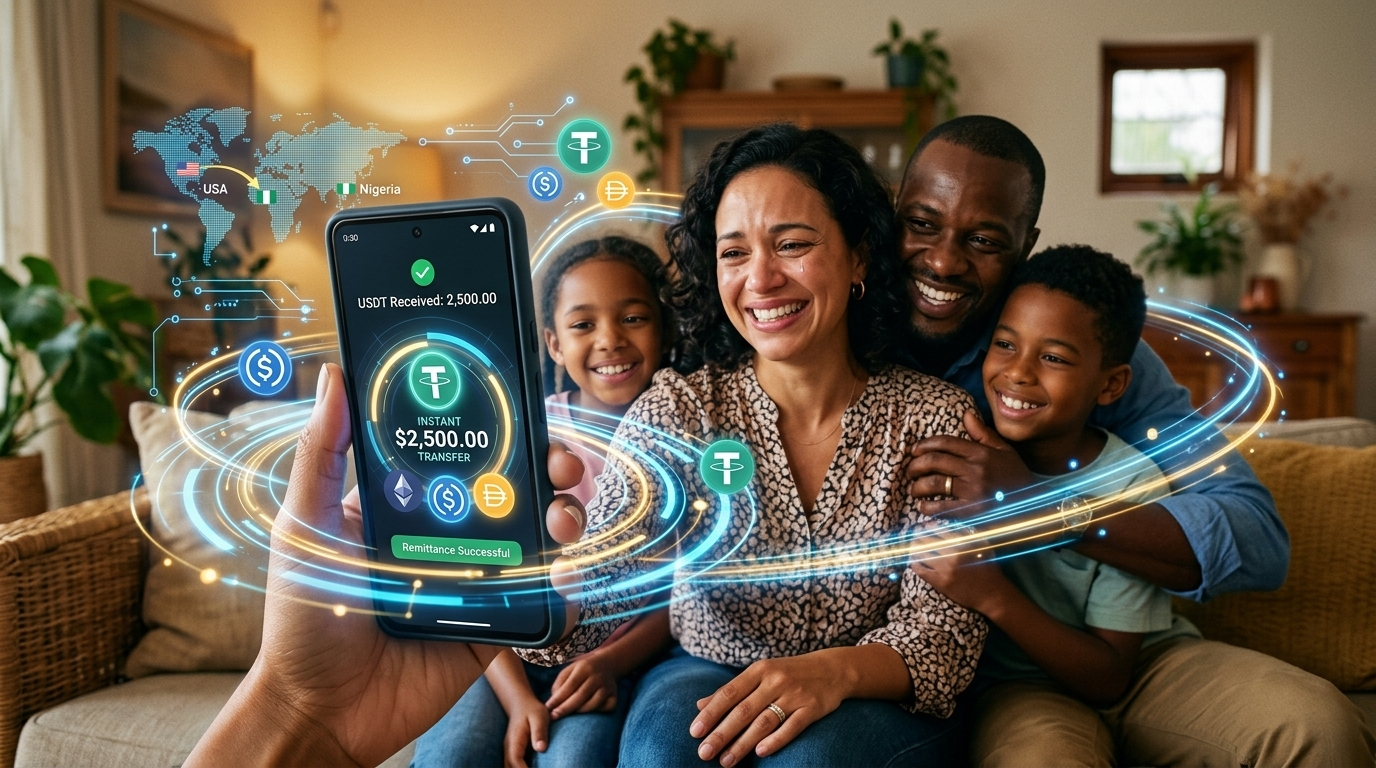
Stablecoins: The Digital Dollars Changing Lives
Stablecoins are cryptocurrencies designed to maintain a stable value, often pegged to the U.S. dollar.
Unlike traditional cryptocurrencies that can experience large price swings, stablecoins provide a familiar unit of value while retaining the speed and accessibility of blockchain networks.
For users in emerging markets, stablecoins are becoming much more than trading tools.
They are digital savings accounts.
They are payment networks.
They are remittance solutions.
And increasingly, they are a gateway to the global economy.
A user with only a smartphone and internet connection can hold dollar-denominated assets, transfer funds internationally, save capital, and participate in financial services that may have previously been unavailable.
Binance Users Are Showing a New Trend
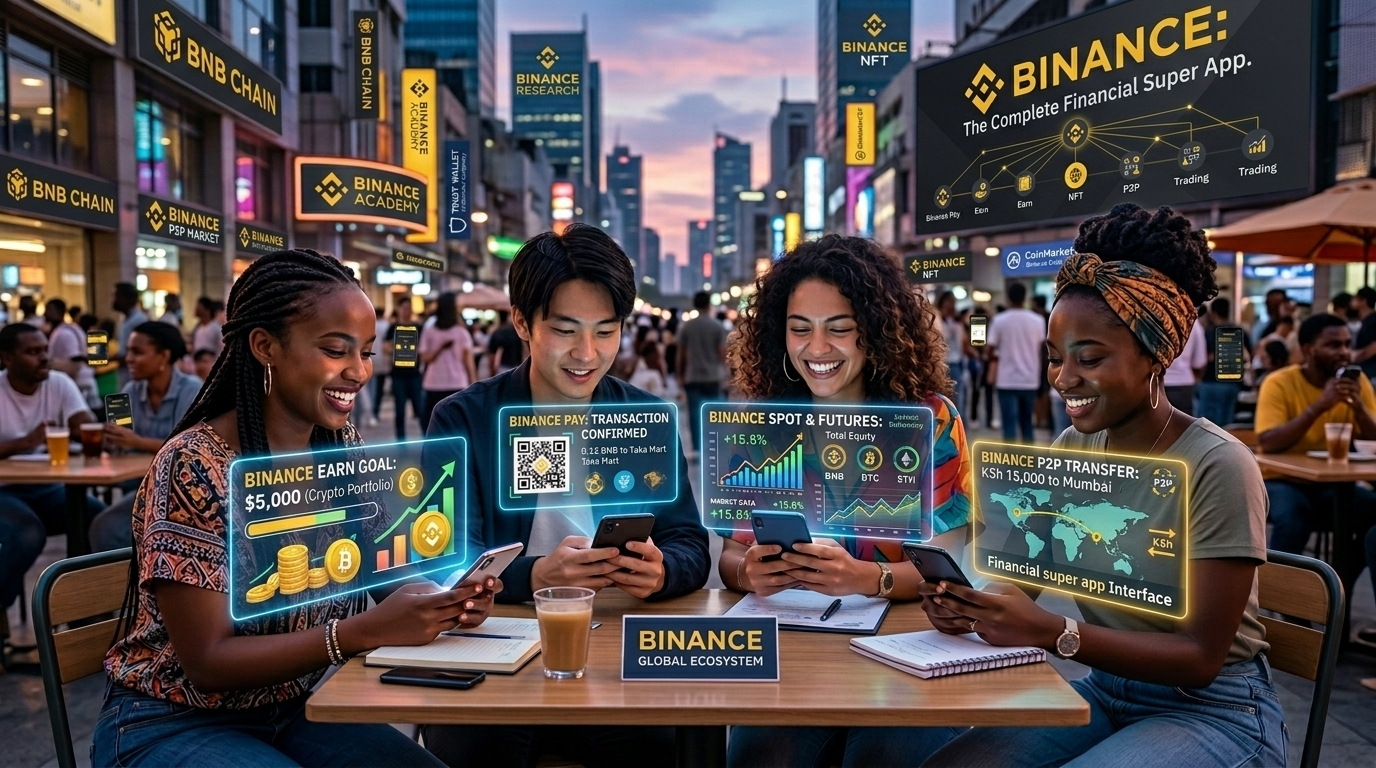
According to Binance Research's latest report, emerging markets now account for 77% of Binance users, a significant increase from just 49% in 2020. Even more interesting, 83% of users engaging with multiple Binance products are located in emerging economies.
This tells an important story.
People are not simply using crypto exchanges to speculate.
They are using them as financial platforms.
Research cited by CoinDesk describes this trend as users treating crypto platforms like "banking apps" for savings, payments, and investments.
The growth of stablecoin usage reinforces this narrative.
Users who may never have had access to reliable financial products are now storing value in digital dollars, sending funds across borders in minutes, and participating in global commerce from their mobile phones.
Why Emerging Markets Are Leading Adoption
In many developed countries, banking infrastructure is already mature.
But in emerging economies, financial access remains a challenge.
For millions of people, stablecoins solve practical problems:
Protection against local currency volatility
Faster and cheaper international transfers
Access to dollar-denominated savings
24/7 financial services without banking hours
Participation in the global digital economy
This explains why stablecoin adoption is accelerating fastest in regions across Asia, Africa, and Latin America.
Rather than replacing traditional finance, crypto is filling gaps where traditional systems have struggled to reach.
The Smartphone Is Becoming the New Bank Branch
The World Bank's latest research highlights how mobile technology is powering a surge in savings across developing economies. Mobile financial services are helping people save, transact, and participate in formal financial systems at unprecedented levels.
Crypto takes that evolution one step further.
A smartphone connected to a blockchain network can now provide access to:
Savings
Payments
Remittances
Investments
Global markets
Without requiring a physical bank branch.
Without geographic limitations.
And often with lower barriers to entry.
For many users, the first financial account they truly control may not be a traditional bank account at all—it may be a crypto wallet.
The Future of Financial Inclusion
The next billion users entering the financial system may not do so through traditional banking.
They may enter through mobile phones, stablecoins, and blockchain-powered financial platforms.
What began as an alternative financial technology is increasingly becoming financial infrastructure.
The numbers tell the story.
Millions of people who were previously excluded are now saving, investing, and transacting globally. Emerging markets are driving the majority of crypto adoption, and stablecoins are becoming one of the most important tools for financial inclusion in the digital age.
The future of finance may not be about replacing banks.
It may be about bringing financial access to everyone—regardless of where they live.
And for millions around the world, that future has already begun.
#Stablecoins #CryptoPayment #Banking