
Bitcoin has never moved in a straight line. Every major rally in its history has been followed by periods of doubt, sharp corrections, and long stretches where sentiment turns cautious. The current phase is no different. After an explosive run that pushed Bitcoin to record levels in 2025, the market has cooled off, prices have retraced, and one question dominates discussions everywhere:
When will Bitcoin rebound — and what will actually drive it?
To answer that properly, we need to look beyond hype and zoom in on structure, psychology, macro conditions, and Bitcoin’s evolving role in the global financial system.
Bitcoin’s Current Phase: Correction, Not Collapse
At the moment, Bitcoin is going through what can best be described as a post-euphoria correction.
After reaching extreme highs, profit-taking kicked in. Long-term holders trimmed positions, short-term traders exited aggressively, and leveraged positions were flushed out. This created sharp downside moves that felt dramatic, but structurally, they fit perfectly within Bitcoin’s historical behavior after major tops.
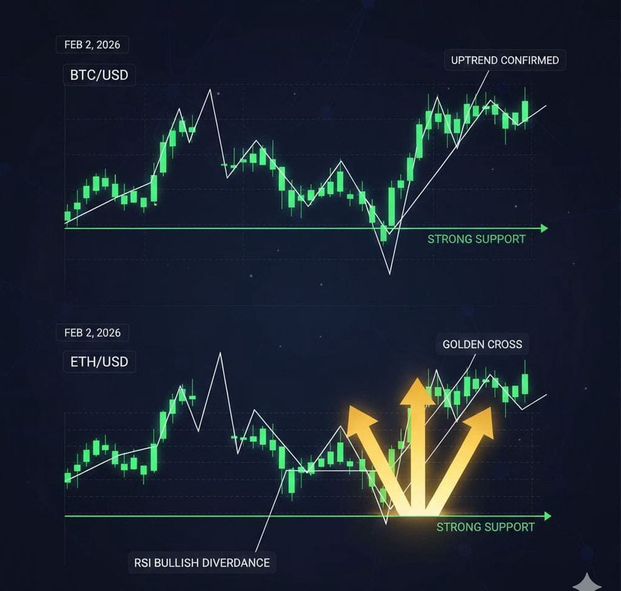
What’s important is this:
Bitcoin is not behaving like a broken asset — it’s behaving like a maturing one.
Volatility is still high, but panic selling has gradually slowed. Each sell-off attracts stronger buyers than the last. That’s usually the first clue that a base is forming, even if price action remains messy in the short term.
Why Rebounds Don’t Happen Overnight
Many people expect Bitcoin to rebound the same way it pumps — fast and violently. In reality, sustainable rebounds take time, especially after large cycles.
There are three reasons for this:
Capital Rotation Takes Time
Big money doesn’t rush back in immediately. Institutions scale in slowly, watching macro signals, liquidity conditions, and regulatory clarity.Market Psychology Needs Resetting
After euphoria, the market must move through fear, frustration, and boredom before optimism returns. That process can’t be rushed.Macro Conditions Matter More Than Ever
Bitcoin is no longer isolated. Interest rates, dollar strength, bond yields, and equity markets now heavily influence crypto flows.
Because of this, rebounds usually start quietly — not with headlines, but with accumulation.
The Macro Picture: The Biggest Piece of the Puzzle

Bitcoin’s next major rebound will almost certainly be tied to macroeconomic shifts rather than crypto-only events.
Key macro factors to watch:
1. Interest Rates and Liquidity
When central banks tighten policy, liquidity dries up and risk assets suffer. When easing begins, capital looks for growth again — and Bitcoin historically benefits.
A sustained rebound becomes much more likely once:
Rate hikes clearly stop
Rate cuts or liquidity injections come into view
Risk appetite improves across global markets
Bitcoin doesn’t need aggressive easing — just less pressure.
2. Dollar Strength
Bitcoin tends to perform better when the U.S. dollar weakens. A softer dollar makes alternative assets more attractive and improves global liquidity conditions.
A meaningful BTC rebound often aligns with:
A topping or declining dollar index
Improved emerging-market flows
Renewed appetite for inflation hedges
Institutional Behavior: Quiet but Crucial
Retail sentiment usually turns last. Institutions move first — quietly.
Right now, signs of strategic accumulation matter more than price spikes:
Spot ETF flows stabilizing
Long-term wallets increasing balances
Reduced exchange reserves over time
Institutions don’t chase green candles. They accumulate during uncertainty. Historically, when their participation increases during dull or volatile markets, it sets the stage for the next expansion phase.
On-Chain Signals: What Bitcoin Itself Is Saying
On-chain data often gives clues before price reacts.
During healthy rebound setups, we usually see:
Long-term holders refusing to sell at lower prices
Declining selling pressure despite negative sentiment
Gradual shift of coins from weak hands to strong hands
This phase often feels boring, slow, and frustrating — which is exactly why most people miss it.
Timing Scenarios: Realistic Expectations
Instead of guessing exact dates, it’s smarter to think in windows.
Short-Term (Next Few Months)
Volatile
Sharp rallies and pullbacks
Mostly driven by technical levels and news reactions
Short-term bounces are possible, but they’re likely to be relief rallies, not full trend reversals.
Mid-Term (Second Half of the Year)
This is where probabilities improve.
If macro pressure eases and liquidity conditions stabilize:
Bitcoin can reclaim key structural levels
Momentum can shift from defensive to constructive
Trend-following capital may re-enter
Historically, this is when rebounds begin to look “real,” even if price hasn’t made new highs yet.
Long-Term (Late Cycle Expansion)
Once confidence fully returns:
Capital rotates aggressively into BTC
Narratives shift from “survival” to “growth”
New all-time highs become possible again
This phase only comes after patience is rewarded.
What Could Delay the Rebound?
It’s important to stay balanced.
Bitcoin’s rebound could be delayed if:
Global recession deepens
Liquidity stays tight longer than expected
Regulatory shocks create uncertainty
Risk markets face systemic stress
These factors wouldn’t kill Bitcoin — but they could stretch the consolidation phase.
The Big Picture: Bitcoin Is Changing
One crucial detail many miss: Bitcoin is no longer just a speculative trade.
It now sits at the intersection of:
Digital scarcity
Institutional portfolios
Macro hedging strategies
Long-term value storage debates
That means rebounds may look slower but more durable than earlier cycles.
Less explosive hype. More structural demand.
Final Thoughts: So… When Will Bitcoin Rebound?
Bitcoin’s rebound won’t be announced with fireworks. It will begin quietly:
During doubt
During low excitement
While most people are still skeptical
History shows that by the time the rebound feels “obvious,” a large part of the move is already done.
If macro pressure eases and accumulation continues, the foundation for Bitcoin’s next major upside phase is likely built before sentiment fully turns bullish.
Patience, not prediction, has always been Bitcoin’s real edge.