

@Dusk In the evolving world of blockchain technology, privacy and transparency often feel like two opposite goals. Many networks focus on full transparency, where every transaction and detail is visible to anyone. While this approach builds trust, it can create problems for businesses and individuals who need confidentiality. On the other hand, some privacy focused systems hide too much information, which makes regulation and verification difficult. The Dusk Network introduces a balanced solution through selective disclosure, a concept designed to protect sensitive data while still allowing proof and verification.
Selective disclosure means that users can choose which parts of their information they want to reveal and which parts should remain private. Instead of exposing everything on chain, only necessary data is shared. This idea is especially important for financial applications, tokenized assets, and regulated markets where privacy and compliance must exist together. The goal is simple. Keep user data secure while giving institutions the ability to verify that rules are being followed.
Traditional blockchains operate with complete openness. Anyone can track wallet activity, balances, and transaction history. While this transparency can prevent fraud, it also exposes personal and corporate strategies. Companies handling large investments or tokenized securities cannot always operate safely if competitors can see every move. Dusk Network addresses this challenge by using advanced cryptographic methods that allow verification without revealing the full data behind it.
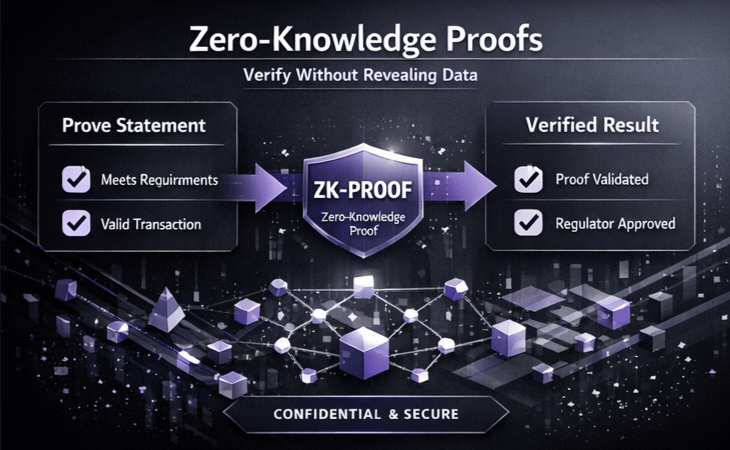
One of the key technologies behind selective disclosure is zero knowledge proof systems. These systems allow a user to prove that a statement is true without revealing the underlying information. For example, an investor can prove they meet regulatory requirements without sharing their full identity or financial details. This creates a powerful combination of privacy and trust. Regulators receive the proof they need, while users maintain control over their personal data.
Selective disclosure also improves efficiency in digital identity systems. Instead of sharing an entire identity document, users can reveal only specific attributes. A platform may need to know that a user is above a certain age or belongs to a verified group. With Dusk Network, the system can confirm this information without exposing unnecessary details. This reduces risk, prevents data leaks, and builds a more secure environment for decentralized applications.
Another important advantage is its role in real world asset tokenization. Financial institutions require strong compliance standards before bringing assets onto blockchain infrastructure. Selective disclosure allows these institutions to verify ownership, eligibility, and compliance rules without publishing confidential business data. This makes Dusk Network attractive for enterprises that want to explore blockchain technology while staying aligned with legal frameworks.
From a user perspective, selective disclosure provides control. Instead of relying on centralized platforms to manage personal information, individuals decide when and how their data is shared. This shift in power aligns with the broader goals of Web3, where ownership and privacy belong to the user rather than a central authority. It also helps reduce the risk of identity theft because less information is stored or exposed publicly.
Developers building on Dusk Network benefit from flexible privacy tools. They can design applications that offer both public transparency and private verification depending on the use case. For example, a decentralized exchange might show trade results while keeping participant identities hidden. A governance platform might verify voting eligibility without revealing the full identity of voters. This flexibility opens the door for new financial products and secure digital ecosystems.
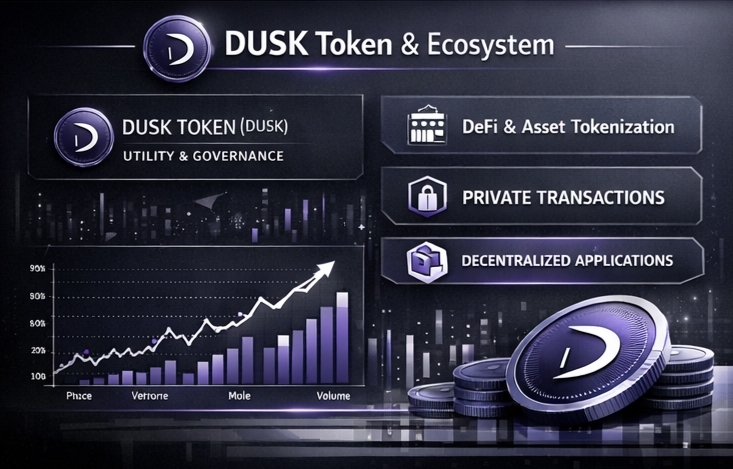
Selective disclosure also strengthens the long term vision of regulated decentralized finance. Many institutions hesitate to join blockchain networks because of privacy concerns and unclear compliance processes. By offering a framework where verification is possible without full exposure, Dusk Network creates a bridge between traditional finance and decentralized innovation. This balance is essential for attracting serious capital and building sustainable growth in the crypto space.
Security remains a core element of the system. By minimizing the amount of data that is publicly visible, the network reduces attack surfaces. Hackers cannot exploit information that is never exposed. At the same time, cryptographic proofs maintain trust and prevent manipulation. This dual layer approach ensures that privacy does not come at the cost of reliability.
Looking ahead, selective disclosure could become a standard feature in blockchain infrastructure. As global regulations evolve, networks that can offer both privacy and compliance will have a significant advantage. Dusk Network’s model shows that transparency does not have to mean total exposure, and privacy does not have to block verification. Instead, the two ideas can work together to create a safer and more adaptable digital economy.
In conclusion, selective disclosure on Dusk Network represents a thoughtful step toward the future of blockchain technology. By allowing users and institutions to reveal only what is necessary, the network supports privacy while maintaining trust. This approach helps solve one of the biggest challenges in decentralized finance and digital asset management. As adoption grows, the concept of controlled data sharing may redefine how privacy and verification coexist across the entire blockchain industry.