


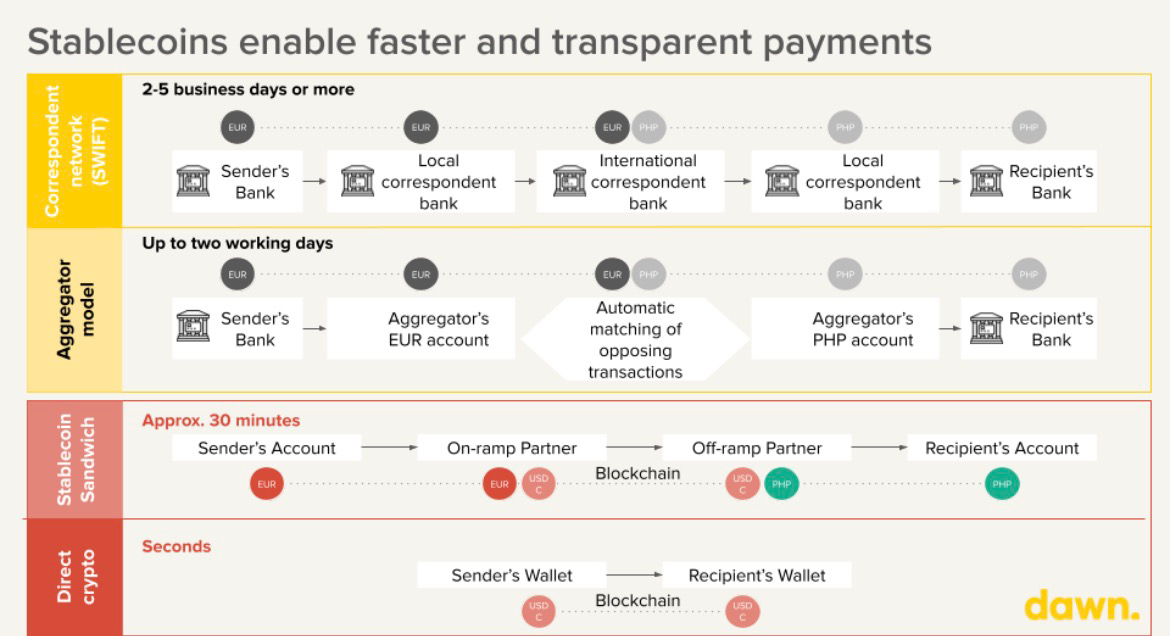
Most blockchains say they want payments.
Very few are willing to design around them.
Plasma made a decision early that most general-purpose chains avoided:
optimize first for stablecoin settlement, not for speculative throughput.
That choice explains why Plasma doesn’t feel like an experiment — it feels like money infrastructure.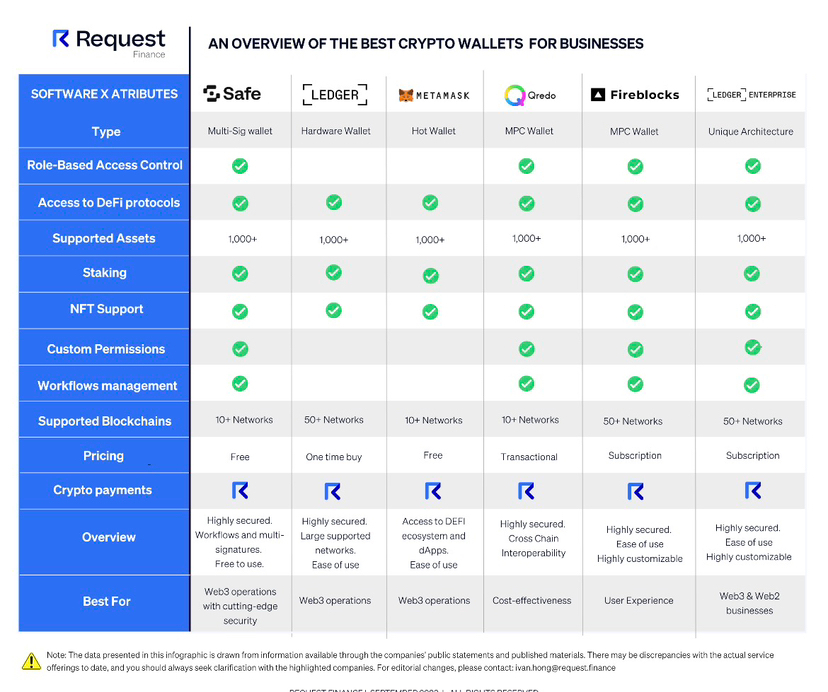
Payments Don’t Fail Because of Speed
They Fail Because of Friction
In theory, many chains are fast.
In practice, payments fail for different reasons:
Unpredictable gas fees
Bridges that introduce risk and delay
Liquidity fragmentation
UX designed for traders, not users
Plasma treats these as design constraints, not side effects.
By anchoring the network around stablecoins and abstracting fees, Plasma removes the mental overhead that breaks real-world usage.
You don’t “try” Plasma.
You just send.
That’s how habits form.
The Real Bet Behind Plasma
Plasma’s core thesis isn’t “more transactions.”
It’s this:
Stablecoins will move more value than volatile assets and they need dedicated rails.
Instead of competing with every smart-contract chain, Plasma narrows the surface area
Stablecoin first settlement
Predictable execution
No gas anxiety for users
Infrastructure that feels boring on purpose
That boredom is a feature.
Financial infrastructure is supposed to disappear into the background.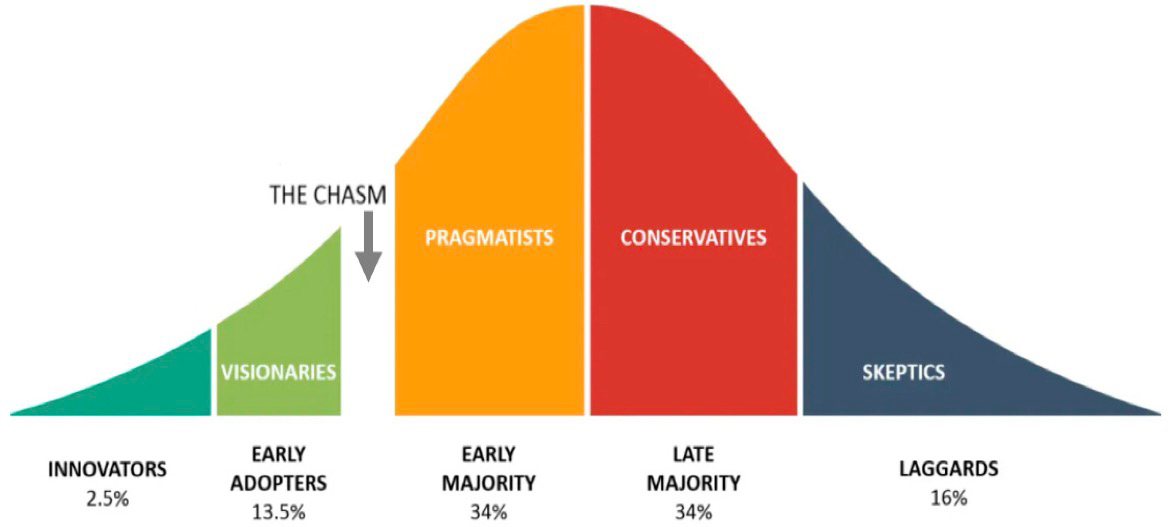
Why XPL Is Tied to Usage, Not Noise
This is where many readers misunderstand XPL.
XPL isn’t positioned as a hype accelerator.
It’s positioned as a coordination token for settlement flow:
Validator secure predictable execution
Fees are abstracted away from end users
Demand emerges from use, not framing
When stablecoin volume increases, network relevance increases.
Not instantly. Not explosively. But structurally.
This is the opposite of attention-driven token design.
Plasma Isn’t Trying to Win the Cycle
It’s Trying to Survive It
Most chains optimize for the moment.
Plasma optimizes for repetition:
The same payment
By the same user
Without friction
Every day
That’s not exciting.
But it’s how financial rails are built.
And if stablecoins continue to absorb real economic activity, infrastructure designed specifically for them doesn’t need hype to matter.
It just needs to work.