
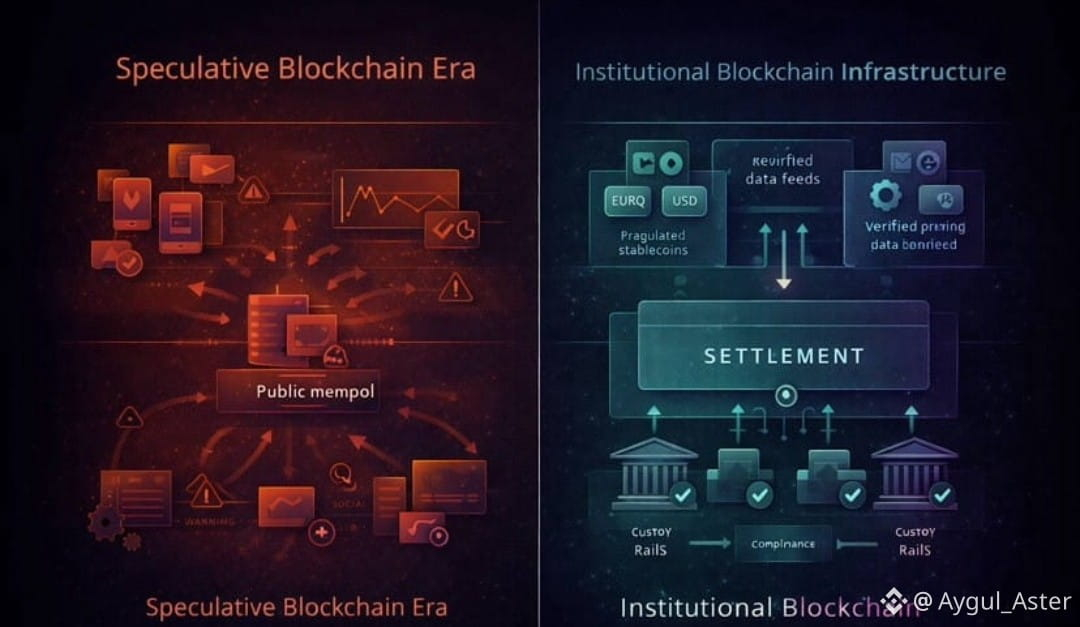
The blockchain industry is dominated by noise. Speed is marketed as progress, volatility as innovation, and disruption as a virtue in itself. This environment works for speculation, but it collapses when real financial systems are introduced.
Dusk is built with a different assumption:
real markets do not reward excitement — they reward reliability.
Rather than optimizing for attention, Dusk optimizes for behavior under pressure. Its architecture reflects a belief rarely stated openly in crypto: infrastructure should be predictable, explainable, and boring enough to trust.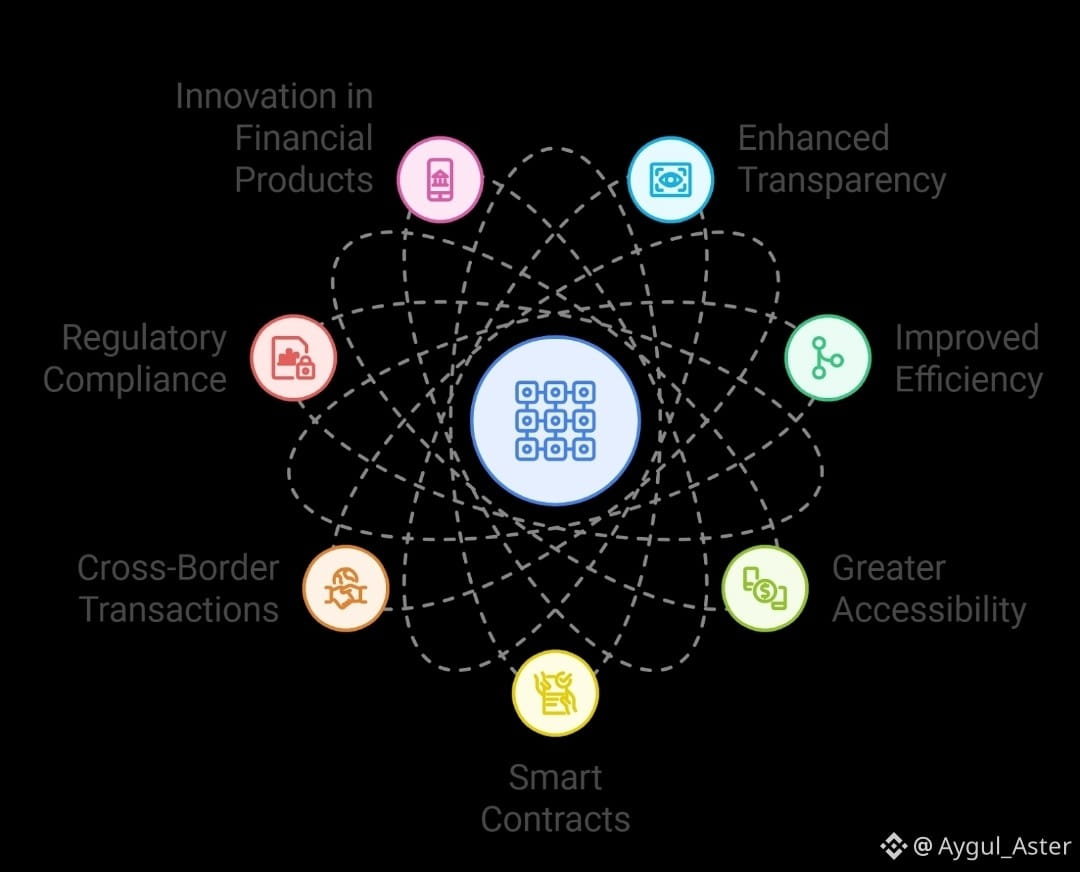
The Institutional Question Most Chains Avoid
Institutions do not ask whether a blockchain can perform in ideal conditions.
They ask whether it will behave the same way every day.
Can costs be forecast?
Can failures be explained mechanically?
Can auditors reason about the system without relying on narratives?
Dusk is built around these questions. Its design choices consistently prioritize operational repeatability over raw performance metrics. This makes it less exciting on social media — and far more viable in regulated environments.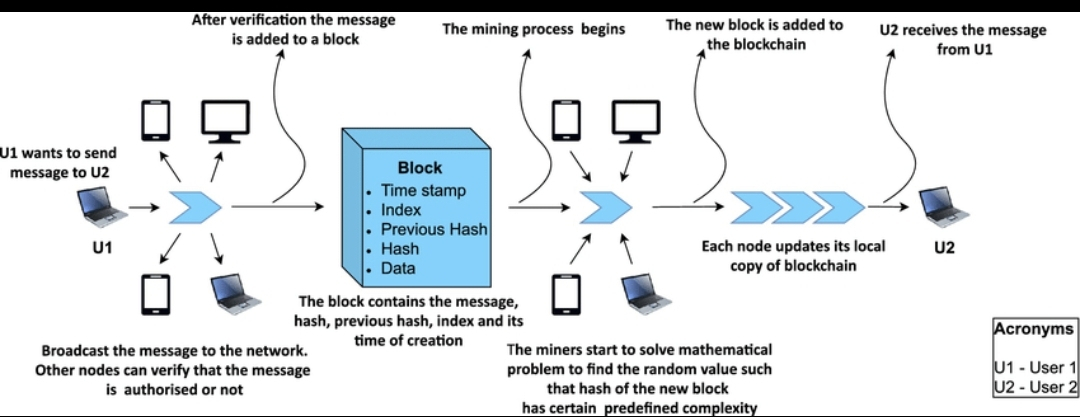
Order Instead of Network Chaos
Most blockchains rely on gossip-based networking. Messages spread unpredictably, reaching different participants at different times. While decentralized, this introduces variance — and variance is toxic to markets.
Dusk replaces uncontrolled flooding with structured message propagation. Messages follow defined paths, reducing randomness in delivery order and timing.
This matters because markets depend on fairness.
When information flow is predictable, execution becomes more consistent and consensus stabilizes.
In Dusk, networking is treated as infrastructure, not experimentation.
Fees That Behave Like Accounting
Fee volatility is one of the most destabilizing elements in crypto systems. In many networks, users pay for congestion sentiment rather than computation.
Dusk removes this ambiguity entirely.
Each transaction:
Consumes a known amount of gas
Uses a defined gas price
Produces a predictable cost
Fees are denominated in LUX, allowing fine-grained, measurable pricing. Even failed execution behaves rationally: computation is paid for, state changes are reverted.
This mirrors real-world compute billing models.
No drama. Just accounting.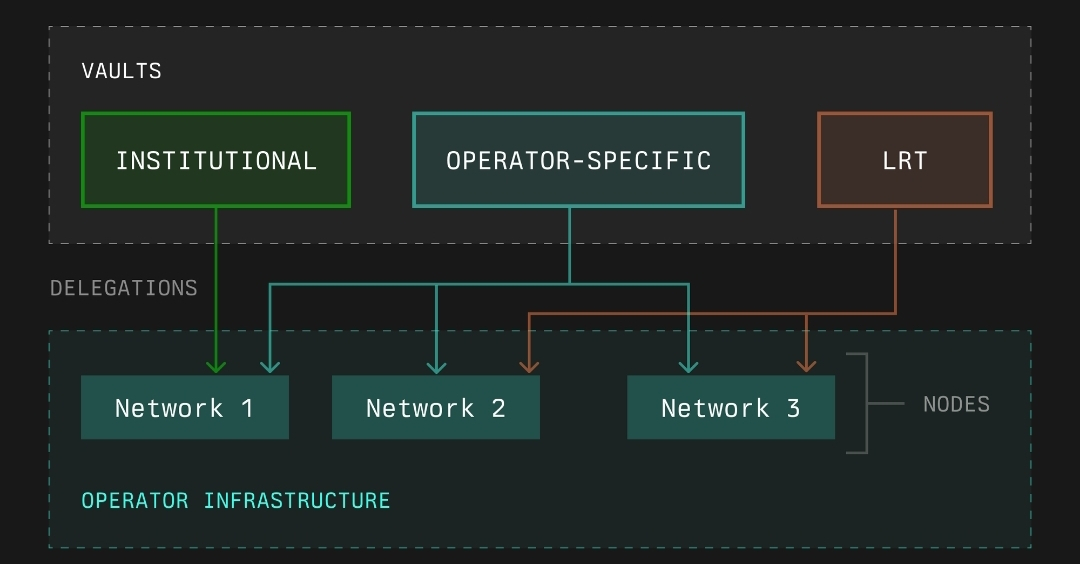
Discipline Without Fear-Based Punishment
Validator accountability is essential — but excessive punishment drives centralization. When penalties are severe, only large operators can survive prolonged stress.
Dusk adopts a measured enforcement approach.
Non-malicious failures result in temporary reward loss, not existential removal. This creates responsibility without hostility and mirrors professional service agreements rather than ideological enforcement.
The result is a healthier validator ecosystem that can scale sustainably.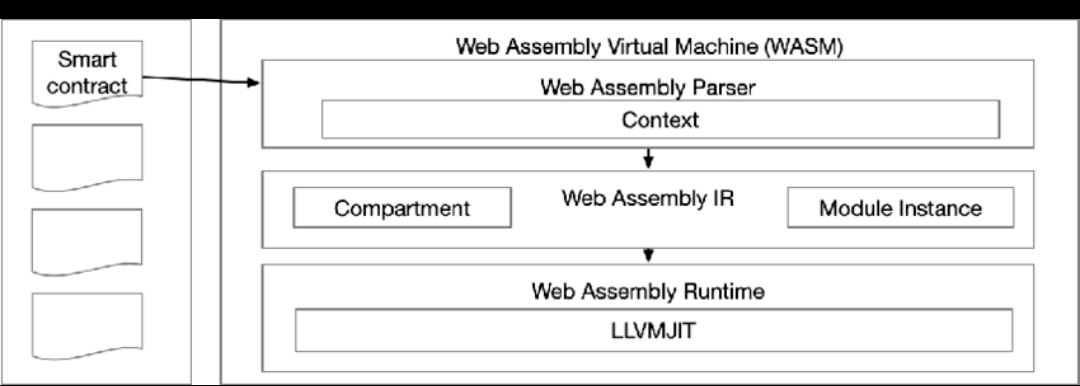
Smart Contracts as Engineered Runtime
Execution environments shape everything built on top of them. Fragile virtual machines produce fragile ecosystems.
Dusk builds its smart-contract layer around WASM, treating contracts as engineered software components rather than experimental scripts. Deterministic execution, mature tooling, and long-term maintainability are prioritized.
This aligns naturally with institutional development standards — where clarity and control matter more than novelty.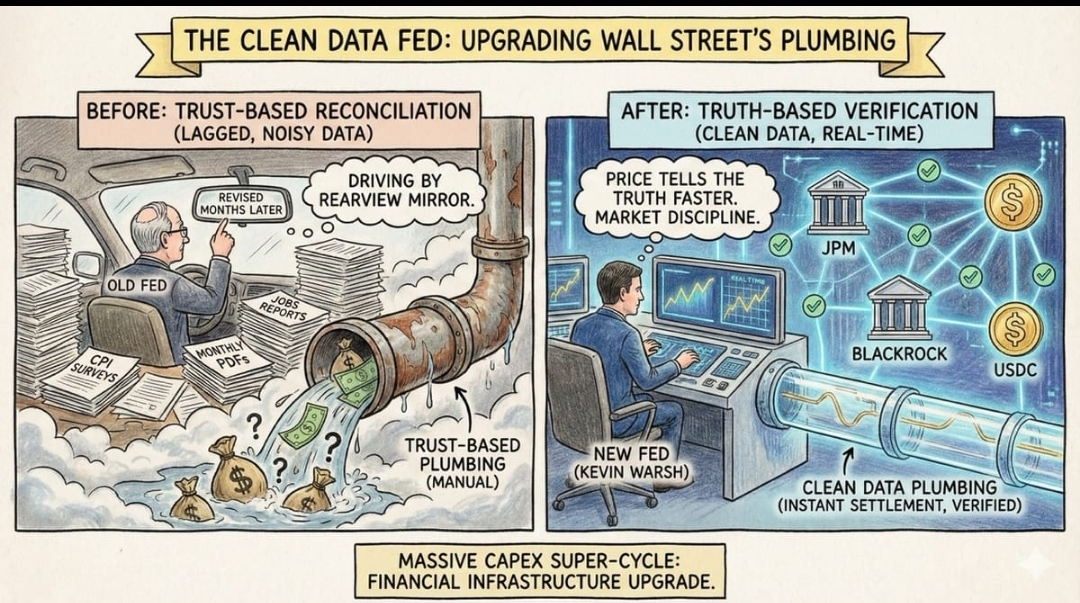
Why “Boring” Wins in the Long Run
When viewed together, Dusk’s design philosophy becomes clear:
Structured communication
Predictable costs
Rational validator discipline
Managed execution environments
These choices are not accidental. They reflect intentional restraint.
Dusk is not designed to dominate narratives.
It is designed to earn confidence through consistency.
Infrastructure, Not Theater
If Dusk succeeds, it will not be because it generated louder speculation cycles.
It will be because it proved that blockchain finance can behave like real infrastructure:
Quiet.
Auditable.
Measurable.
Dependable.
The most powerful systems are the ones that work without being noticed.
That is the real edge Dusk is building.
