
Most blockchains were not designed for speed. They were designed to prove a point. Early networks focused on decentralization and security first, often accepting slow confirmation times, congestion, and unpredictable fees as unavoidable trade-offs. That worked when Web3 was mostly about holding tokens and making occasional transfers. But the next phase of crypto is different—and Plasma is built for that reality.
Plasma is positioning itself as an execution-first blockchain, created specifically for applications that need to react in real time. Trading systems, gaming economies, social platforms, and AI-driven protocols don’t just need decentralization—they need responsiveness. If an on-chain action feels delayed, users don’t wait. They leave. Plasma’s entire thesis is that performance is no longer optional in Web3.
Why Execution Matters More Than Ever
As Web3 matures, on-chain activity is becoming continuous rather than occasional. Automated trading strategies rebalance positions constantly. Games generate thousands of micro-interactions. AI agents act, learn, and respond in tight feedback loops. These use cases expose a weakness in many general-purpose blockchains: they were never meant to handle sustained, high-frequency execution.
Plasma tackles this problem directly by prioritizing low latency, high throughput, and consistent transaction behavior. Instead of trying to be everything at once—settlement layer, storage layer, execution layer—Plasma narrows its focus. It is designed to do one job extremely well: execute transactions fast and reliably, even under heavy load.
Designed for a Modular Blockchain World
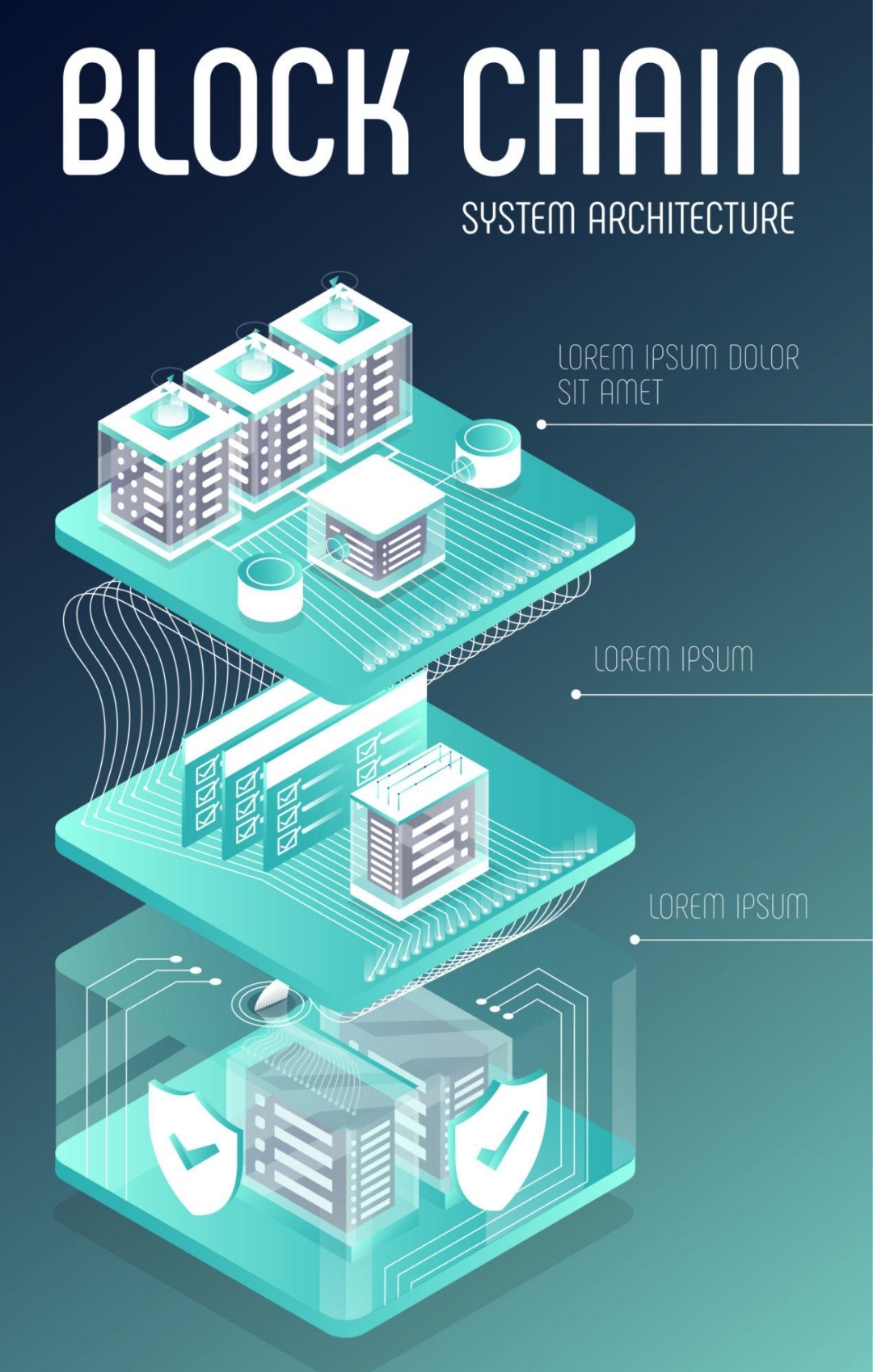
The broader crypto ecosystem is moving toward modular design. In this model, different networks specialize in different roles. Some chains focus on settlement and security. Others handle data availability. Plasma fits cleanly into this future as a dedicated execution engine.
By separating execution from long-term settlement and storage, Plasma avoids the bottlenecks that slow down monolithic chains. Developers can combine Plasma with other networks to build systems that are both fast and secure. This flexibility allows builders to choose best-in-class infrastructure instead of being locked into a single chain’s limitations.
A Better Environment for Builders
For developers, Plasma is about confidence. Confidence that an application won’t grind to a halt during peak usage. Confidence that fees won’t suddenly spike and destroy the user experience. Confidence that real-time logic can actually run on-chain without constant compromises.
This makes Plasma especially attractive for decentralized exchanges, derivatives platforms, multiplayer games, real-time marketplaces, and AI agent frameworks. These systems don’t operate in bursts—they operate continuously. Plasma is designed to support that rhythm, allowing applications to scale naturally as usage grows.
Economic Design That Supports Performance
Speed alone is not enough. A high-performance network still needs strong incentives to remain reliable and decentralized. Plasma integrates economic mechanisms that reward honest participation and penalize bad behavior, aligning network operators with long-term health rather than short-term gains.
Equally important is fee predictability. Many networks become unusable during periods of high demand because transaction costs explode. Plasma emphasizes stable and transparent fee behavior, giving both users and developers clarity. When costs are predictable, serious businesses can plan—and when businesses can plan, adoption follows.
The Push Toward Real-Time Web3
User expectations are changing. People entering Web3 today are not comparing it to Bitcoin in 2013—they are comparing it to Web2 platforms that feel instant and seamless. Whether it’s trading, gaming, or social interaction, delays feel broken, not decentralized.
Plasma aligns with the growing belief that the next wave of Web3 adoption will be driven by experience as much as ideology. Networks that can deliver smooth, reactive, real-time interactions will have a massive advantage as crypto moves beyond early adopters and into mainstream usage.
A Long-Term Infrastructure Play
Plasma is not selling a short-term narrative. It is positioning itself as foundational infrastructure for on-chain systems that don’t yet fully exist—digital economies that run continuously, autonomous agents that transact on their own, and applications that feel alive rather than static.
If modular blockchain architecture continues to gain momentum and demand for high-performance execution accelerates, Plasma could become one of the hidden layers powering future Web3 experiences. Not the loudest chain—but one of the most used.
The core idea is simple but powerful: Web3 should not feel slow, fragile, or experimental. It should feel immediate. Plasma is betting that execution speed will define the winners of the next era.

