

When I look at new blockchain systems, I try to understand them the same way I would study any piece of real-world infrastructure. I don’t start with the promises or the technical terms. I start by asking a simpler question: what problem is this trying to solve, and why does it need a new structure to solve it? In traditional finance, systems are rarely built for everything at once. Payment networks, settlement layers, and banking rails all exist for specific roles. Over time, they become stable not because they are exciting, but because they work quietly in the background. In many ways, I see Plasma as an attempt to take that same focused approach, but apply it to the movement of stablecoins.
A lot of blockchain networks try to be general-purpose platforms. They aim to support trading, gaming, digital identity, and everything in between. That ambition has value, but it also creates pressure on the system. When a network tries to do too many things at once, the basic function of moving value can become slower, more expensive, or less predictable. In the traditional financial world, settlement layers are designed with a different mindset. Their job is not to be flexible or creative. Their job is to be reliable, consistent, and trusted. That difference in thinking is important when I consider what Plasma is trying to do.
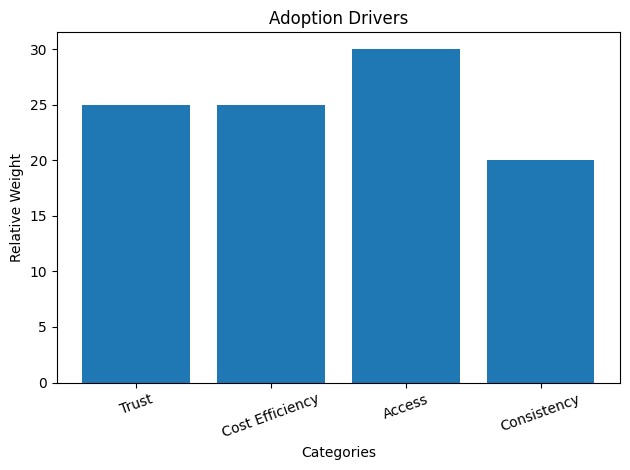
The focus on stablecoin settlement feels less like a marketing angle and more like a design choice shaped by practical use. Stablecoins are already widely used for payments, savings, and transfers, especially in regions where access to stable financial tools is limited. But the experience is not always smooth. Fees change, confirmation times vary, and users often need to hold separate tokens just to move money. These are small frictions, but they add up over time. When a system is used daily, the small things matter more than the big ideas.
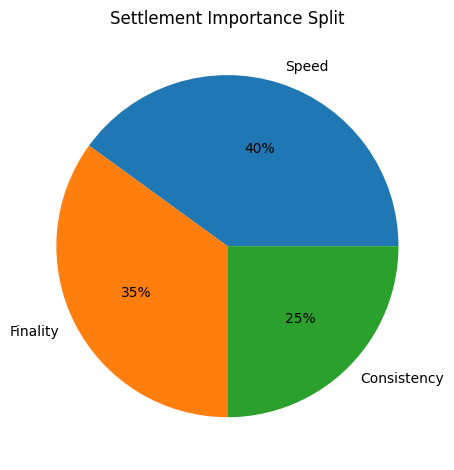
I see the decision to allow gasless transfers and stablecoin-based fees as a response to this kind of friction. In the real world, payment systems do not ask users to buy a second asset just to send money. You don’t need to hold a special token to use a bank transfer or a card network. So from a practical perspective, reducing that extra step makes sense. It lowers the mental load for the user and makes the system feel closer to something familiar. Of course, nothing comes without trade-offs. Simplifying fees shifts complexity somewhere else in the design. The network still needs incentives, still needs a way to stay secure and sustainable. Those decisions don’t disappear; they just move into the background.
The emphasis on speed, especially sub-second confirmation, also reminds me of how expectations have changed. In modern payment systems, people are used to instant responses. Even if final settlement happens later, the user experience feels immediate. Blockchain networks are often judged by this same standard now. But speed alone doesn’t solve everything. What matters more is consistency. A system that is always fast and predictable tends to be more useful than one that is sometimes very fast and sometimes congested. That kind of stability is not glamorous, but it’s what allows institutions to build processes around it.
Security is another area where I find the architecture interesting, particularly the idea of anchoring to Bitcoin. In traditional systems, trust often comes from layers of oversight, regulation, and long-term track records. In blockchain, trust tends to come from code, incentives, and network design. Anchoring security to a well-established network seems less about innovation and more about borrowing credibility and resilience. It suggests a mindset focused on reducing risk rather than chasing novelty. But again, this kind of decision has trade-offs. Depending on another network introduces dependencies. It can strengthen trust, but it can also limit flexibility.
The compatibility with existing development tools also feels like a practical move rather than a bold statement. In many industries, adoption doesn’t happen because something is technically better. It happens because it fits into what people already know. If developers can build using familiar tools, they are more likely to experiment, test ideas, and slowly commit resources. This is how most infrastructure grows in the real world. Not through sudden change, but through gradual integration.
What stands out to me most is how much of this system is built around “boring” priorities. Settlement speed. Fee structure. Reliability. Neutrality. These are not the kinds of things that attract attention, but they are the foundations of any serious financial system. In traditional finance, entire institutions are built around these quiet functions. People rarely think about them, but they depend on them every day. If Plasma is taking inspiration from that model, then its real test won’t be how exciting it looks. It will be how well it holds up under constant, ordinary use.
I also find it important to consider who this is meant for. Retail users in high-adoption regions already rely on stablecoins as a practical tool. For them, convenience and cost matter more than technology. Institutions, on the other hand, care about predictability, structure, and the ability to manage risk. Trying to serve both groups is not simple. Their needs overlap, but they are not the same. Designing a system that feels simple for individuals while remaining dependable enough for large-scale financial activity requires careful balance.
In the end, I don’t see this kind of project as a sudden shift in how finance works. I see it more as part of a slow process where digital systems are learning from the structures that already exist. The real question is not whether the technology is impressive, but whether it fits into everyday habits and workflows. Can it quietly handle large volumes without stress? Can it remain stable when usage grows? Can it support real economic activity without becoming overly complex?
These are not questions that can be answered quickly. They depend on time, usage, and the behavior of the people who rely on the system. As stablecoins continue to play a larger role in global payments, I find myself wondering what kind of infrastructure will support them in the long run. Will specialized settlement networks become the standard, much like dedicated payment rails in traditional finance? Or will general-purpose systems adapt and absorb these roles over time? And perhaps most importantly, will users even notice the difference, or will the most successful systems simply become invisible, quietly doing their job in the background?

