

When you watch how money moves across different chains, you notice a weird pattern: people often stop mid-transaction because they realize they don’t have the right "gas" token to pay for the fee. It’s like having a wallet full of cash but being told you can't buy a coffee because you don't own the specific branded coin the cafe demands. This friction is why a lot of liquidity just sits still. For stablecoins to actually work like real money, the network needs to get out of the way and let the dollar pegged assets lead the dance.
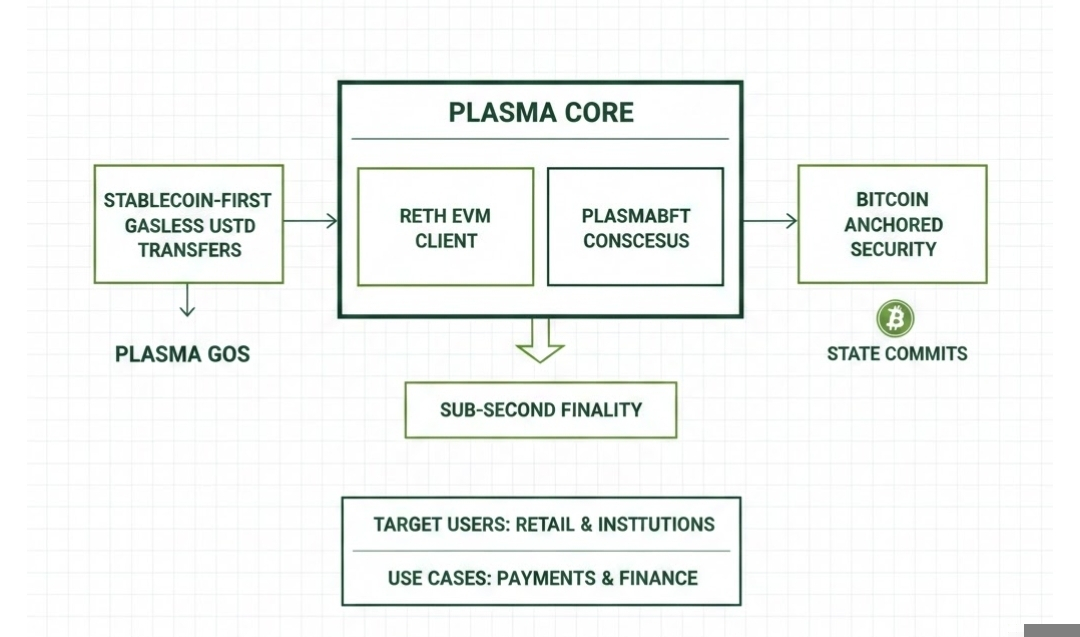
The tech behind @Plasma tries to fix this by using Reth, a very fast way to process Ethereum style transactions. Instead of waiting several seconds or even minutes for a payment to clear, the system uses something called PlasmaBFT to hit sub-second finality. If we look at how #Plasma is built, it’s designed to handle the massive data loads that come with global payments. By early 2026, the industry has seen that high speed execution isn't just a luxury anymore; it’s a requirement for anyone trying to replace traditional bank wires. Have you ever wondered why we accept slow settlement times in crypto when the rest of our digital lives happen instantly?
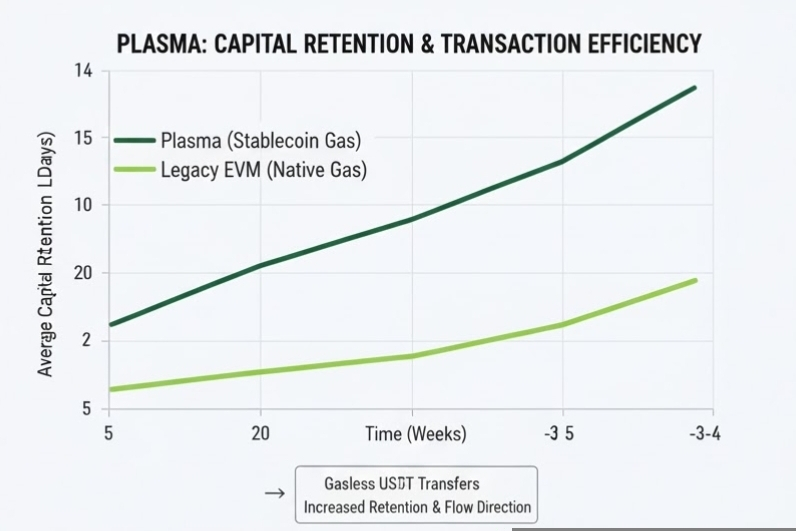
Because the $XPL ecosystem allows for gasless USDT transfers, the practical side of this is much smoother for regular people. You can send a payment and have the fee covered by the stablecoin itself or a sponsor, which keeps users from getting stuck. This focus on stablecoin first gas means that institutional treasury teams or shoppers in high adoption markets don't have to worry about the price swings of a native blockchain token. By anchoring the whole thing to Bitcoin's security, it adds a layer of trust that doesn't rely on a single central authority. It makes the technology feel less like a complex math problem and more like a tool that just works.