
For years, the crypto community has envisioned a future where finance is truly open, borderless, and programmable for anyone, anywhere. Yet, as the industry has grown, it's become painfully clear that scaling these systems without compromising on security or decentralization is a monumental challenge. That’s where Plasma enters the scene, offering a compelling blueprint for how on-chain finance could finally break through its current limitations.
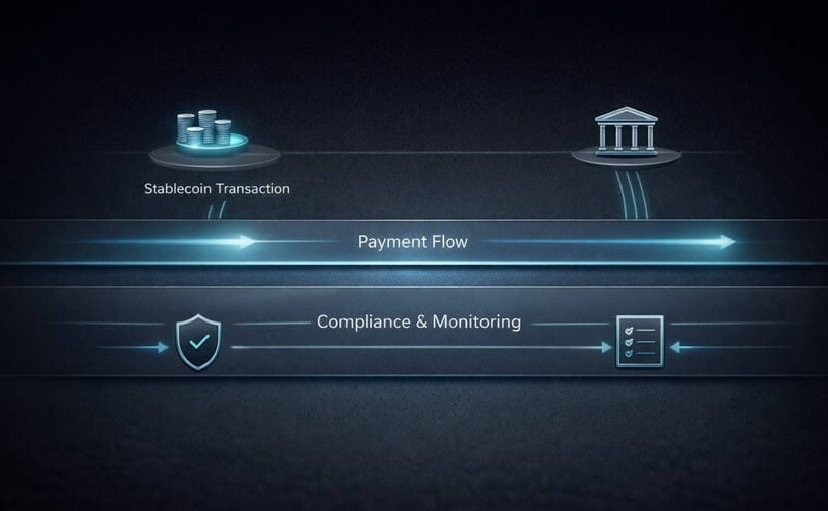
So, what exactly is Plasma and why does it matter? At its core, Plasma is a framework that enables the creation of scalable, secondary blockchains—often referred to as “child chains”—that operate alongside the main blockchain, or “root chain.” Rather than forcing every transaction to compete for precious space on the base layer, Plasma allows these child chains to process high volumes of transactions off-chain, periodically settling back to the primary network for security and consensus. Imagine it like a system of express lanes and local roads: the main chain remains the gold standard for security and trust, while Plasma chains absorb the day-to-day traffic, ensuring efficiency and speed.
This architectural shift is pivotal for on-chain finance. Today, high fees and slow transaction times have made it impractical for global adoption, especially in use cases demanding rapid, low-cost transfers. With Plasma, we unlock the potential for:
- Ultra-low-cost microtransactions—enabling new business models, such as pay-per-use content, instant micropayments, or seamless tipping across borders.
- High-frequency, near-instant trading—ushering in an era where decentralized exchanges and algorithmic trading platforms can operate at speeds previously reserved for centralized systems.
- Scalable DeFi applications—allowing lending protocols, synthetic assets, and automated market makers to serve millions without bottlenecks or cost spikes.
- Real-world asset settlement—making tokenized real estate, equities, and commodities truly liquid, with fast and transparent finality for all parties.
The ripple effect of these capabilities is profound. Suddenly, financial infrastructure isn’t just for those with access to traditional banks or payment processors. Anyone with a smartphone or internet connection can participate, transact, and build—no gatekeepers required. This is about democratizing finance, making it accessible, programmable, and resilient.
A crucial feature of Plasma’s design is its focus on censorship resistance and user sovereignty. Should anything go wrong—whether it’s a rogue operator or a technical issue—users can always withdraw their assets back to the main chain. This guarantees that control over funds never leaves the user, a stark contrast to traditional systems where assets can be frozen or seized at the discretion of intermediaries. It’s a safety net that reinforces trust, even as we push the boundaries of scale.
Looking ahead, it’s unlikely that the future of finance will be monolithic, confined to a single blockchain. Instead, we’re moving toward a layered ecosystem:
- The base layer provides ironclad security, serving as the ultimate arbiter and settlement engine.
- Layer-2 solutions like Plasma handle most of the transactional load, delivering the throughput needed for mainstream adoption.
- Application layers on top cater to specific needs—remittances, gaming, decentralized identity, supply chain finance, and more.
In this vision, blockchain technology becomes invisible infrastructure. It quietly powers global commerce, asset transfers, and markets without forcing end users to grapple with technical complexity. People experience the benefits—speed, cost savings, transparency—without needing to understand the engine under the hood.
The real question, then, is not whether finance will move on-chain, but which scaling solutions will actually deliver on the promise for billions. Will Plasma and similar approaches become the backbone of a new financial order, or will other paradigms take the lead? As DeFi evolves, the need for robust, scalable, and user-friendly infrastructure will only intensify. Plasma’s blend of efficiency, security, and user empowerment positions it as a potential cornerstone in this next leap—pushing us closer to a world where open, programmable finance is not just a dream, but a lived reality for all.
So, as on-chain finance prepares for its next phase of explosive growth, it’s worth asking: How will Plasma and other scaling innovations shape the journey—and who will be ready to build on this new, global financial foundation?