
If you’ve ever tried to send USDT to someone quickly, you probably remember the awkward part: you have the dollars (well, the token), but you still need a little bit of something else to “pay the network.” It’s a small step that turns into a real blocker, especially for people who don’t live inside crypto every day. I’ve watched friends get stuck there—USDT ready, recipient waiting, and then the question: “Why do I need ETH (or TRX, or BNB) just to move dollars?”
Plasma is trending now because it aims straight at that exact friction—stablecoin payments first, everything else second. The project describes itself as a high-performance Layer 1 built for USD₮ payments, with the idea that sending USDT should feel closer to sending a message: quick, predictable, and not full of hidden requirements.
The “one-second finality” idea matters more than it sounds. In plain terms, finality is the moment you can stop worrying that a payment might be reversed or reorganized. If you’re paying a merchant, topping up a wallet, or settling between businesses, speed is only half the story. Confidence is the other half. Plasma’s approach uses a BFT-style consensus system it calls PlasmaBFT, described as a high-performance implementation of Fast HotStuff, built to make confirmation low-latency and deterministic.
What gets people talking, though, is the promise of “zero-friction” USDT transfers. The simplest version is this: basic USDT sends are designed to be gasless or to avoid the classic “buy a separate token for fees” loop. Several explainers point to a paymaster-like mechanism so the cost of a transfer can be handled in the background or paid using the stablecoin itself, instead of forcing users to keep a separate gas balance.
I’m cautious about any chain that claims it will make transfers “free” forever, because networks always pay costs somewhere—validators, infrastructure, security, operations. But it’s still fair to say Plasma is trying to move that cost away from the end user’s attention. In payments, that’s not a minor UI tweak; it can be the difference between adoption and abandonment. People don’t mind paying a tiny fee. They mind surprise fees, extra steps, and failed transactions.
There’s also a technical choice here that feels pragmatic rather than flashy: Plasma’s execution layer is powered by Reth, a Rust-based Ethereum execution client, which supports EVM compatibility. In normal language, that means developers can often bring familiar Ethereum tools and contracts, but the chain is tuned for payments throughput and fast settlement.
Another reason this is showing up in “latest” conversations is timing. Stablecoins have moved from niche to infrastructure. Regulators and traditional finance are paying closer attention, especially in the U.S., and that attention tends to accelerate interest in purpose-built rails. Plasma’s fundraising story and the broader push toward stablecoin-specific networks put it in the current narrative: stablecoins aren’t just a crypto feature anymore, they’re becoming a payments industry topic.
The conventional alternative today is: use the biggest existing lanes (often Tron or Ethereum), accept their tradeoffs, and optimize around them. Tron is commonly used for cheap USDT transfers, while Ethereum offers deep integration with apps and liquidity—yet each has its own friction points, from fees to congestion to user experience. Plasma is effectively betting that “stablecoins deserve first-class treatment,” not as just another token riding on a general-purpose chain.
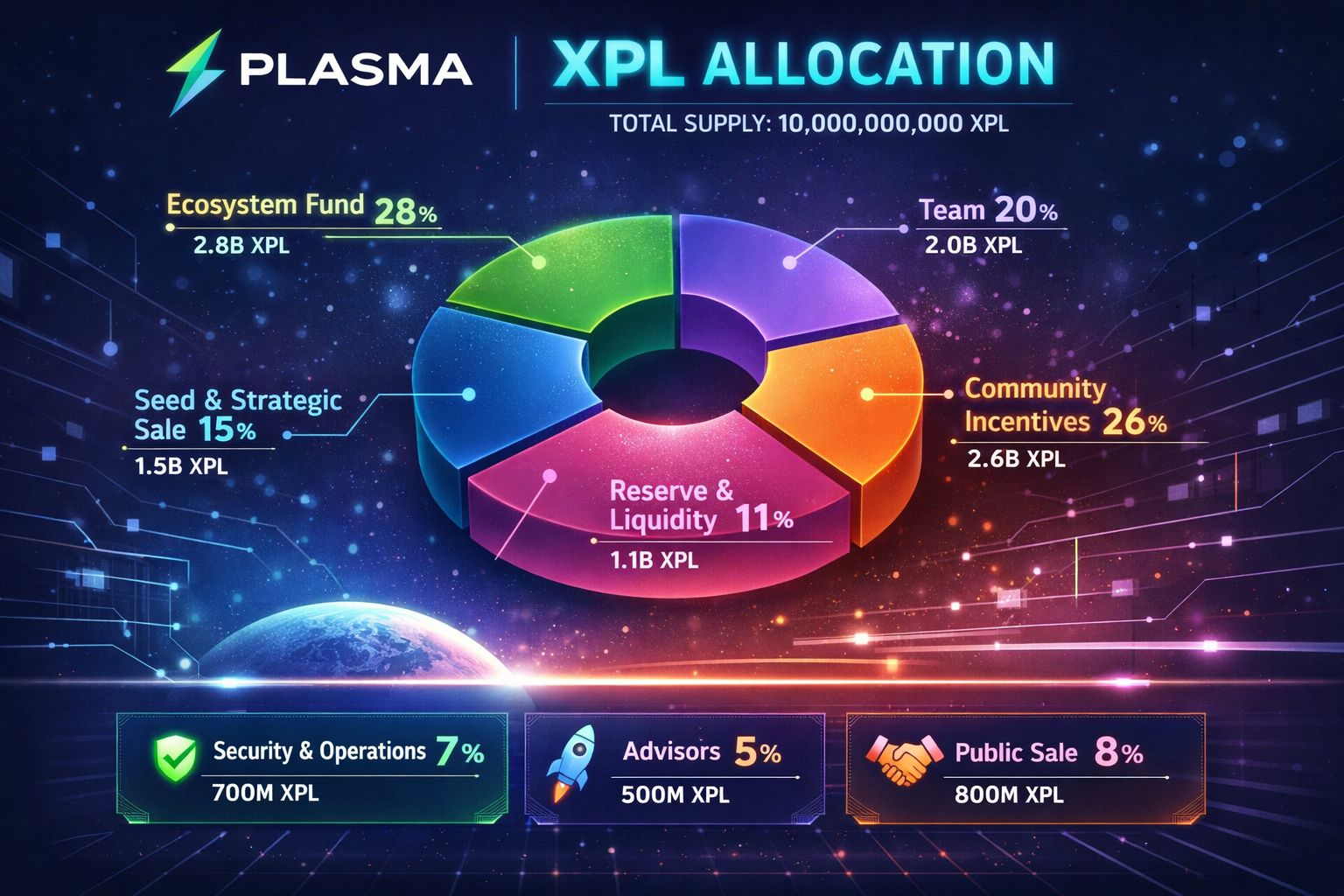
The real progress to watch is not slogans, but milestones: whether developers can reliably connect to public endpoints and build payment flows that don’t break under load; whether finality stays consistent in messy real-world conditions; whether gasless UX works without weird edge cases; whether bridges and custody routes feel boring (boring is good in payments). Practical guides and infrastructure posts about connecting to Plasma RPC endpoints suggest the ecosystem is trying to make the chain usable, not just discussable.
A question I keep coming back to is simple: if you handed Plasma to someone who only cares about sending and receiving dollars, would they even notice it’s “crypto”? If the answer becomes “no,” that’s when a payments-first chain stops being a concept and starts being infrastructure.