
Infrastructure Is Quiet Until It Is Needed
Let me speak to you as someone who watches structure more than headlines.
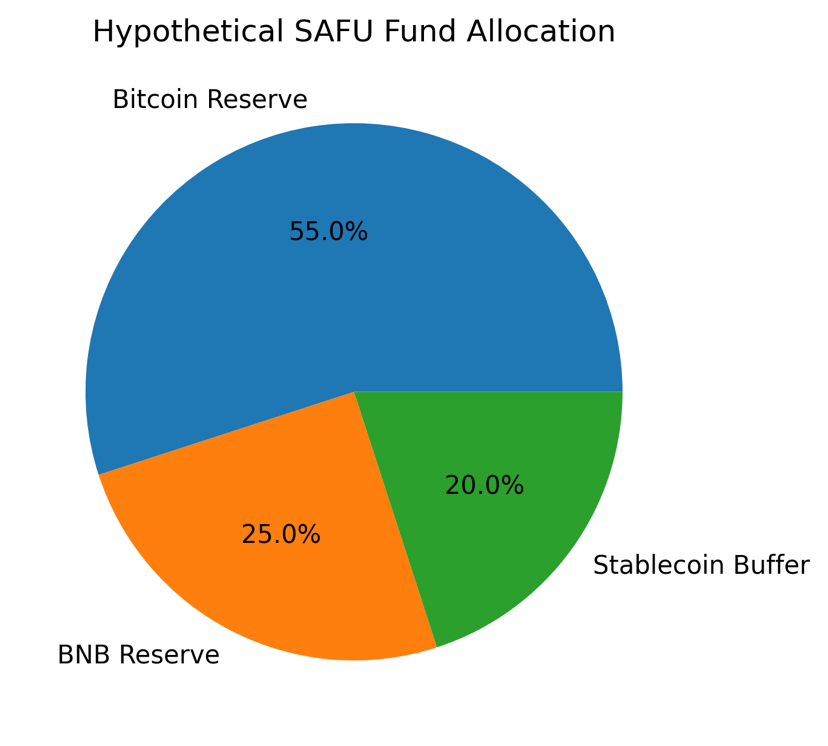
When we talk about the Binance Bitcoin SAFU Fund, we are not talking about marketing. We are talking about architecture. The SAFU Fund represents something structural inside the exchange model. It is a reserve layer designed to absorb shocks when markets behave irrationally or unexpectedly.
In volatile environments, price moves fast. Liquidity thins. Sentiment flips in hours. What does not move fast is trust. Trust is built slowly through mechanisms that work even when price does not cooperate.
The SAFU Fund is one of those mechanisms.
It represents a capital buffer that exists independently of market momentum. It is not tied to daily price performance. It is not there to enhance returns. It is there to absorb risk. That distinction matters more than most people realize.
In crypto, we often focus on price. But exchanges operate as infrastructure. Infrastructure has to survive volatility, not participate in it.
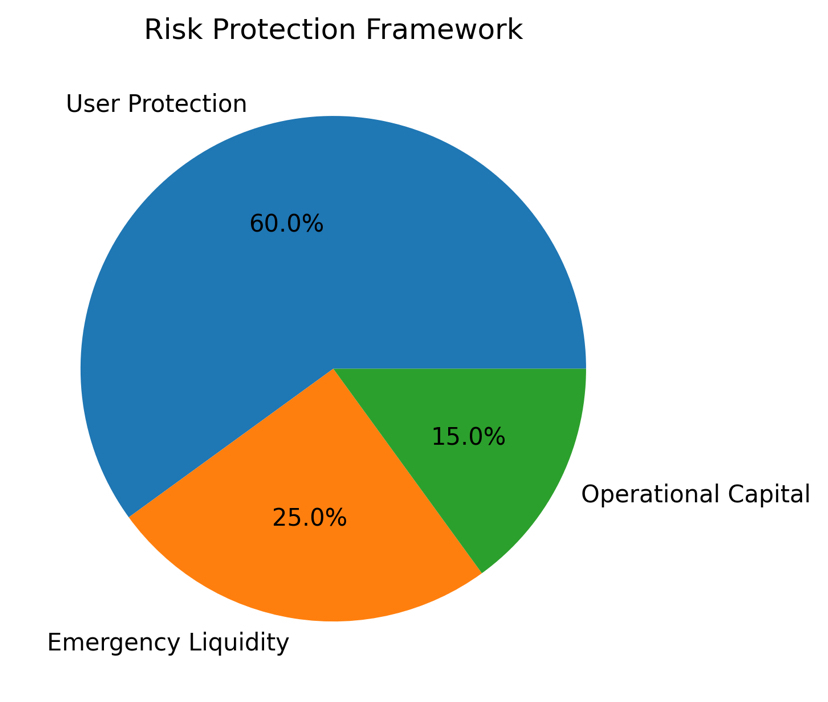
Protection mechanisms matter most when users stop thinking about them. When markets are calm, reserves look unnecessary. When markets are stressed, reserves become the difference between continuity and disruption.
The relationship between exchange custody, cold storage, and risk buffers is part of that discipline.
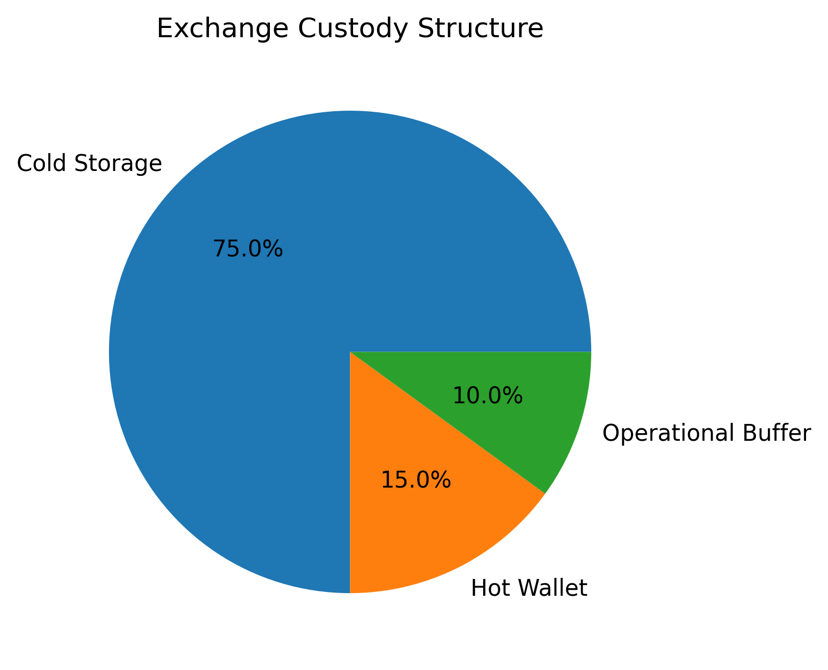
Most user assets sit in cold storage. That is deliberate. Cold storage reduces attack surface and operational exposure. Hot wallets exist for liquidity and operational flow. They serve speed and functionality. But speed always carries incremental risk. That is why buffers exist.
The SAFU Fund acts as an additional protection layer beyond custody design. It is not a replacement for secure storage. It is a contingency mechanism in case operational risk materializes despite precautions.
This layered approach is what differentiates mature infrastructure from speculative platforms.
Cold storage protects assets structurally.
Operational buffers protect liquidity functionally.
Reserve funds protect users financially.
Together, they form a system.
Capital reserves also change the psychology of participation.
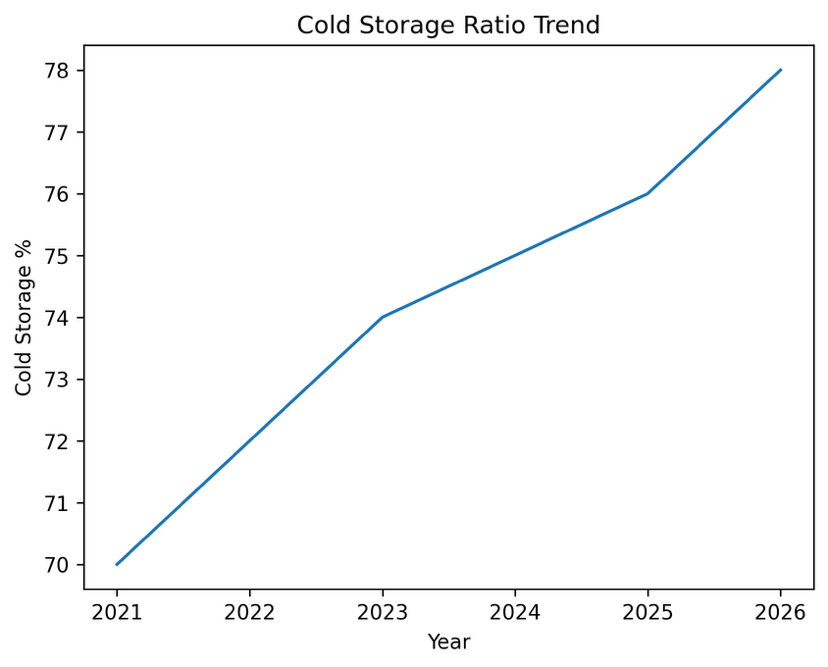
Institutional confidence does not grow from promises. It grows from visible resilience. When exchanges maintain reserves that are separate from operational revenue, it signals an understanding of systemic risk. It tells participants that volatility has been accounted for in advance.
In early crypto cycles, platforms were reactive. Problems were solved after they appeared. In more mature phases, resilience is built before it is needed.
The SAFU Fund reflects that evolution.
Operational resilience matters more than short term price action. A market can drop twenty percent in a day and recover. But a failure in custody, liquidity, or capital protection can damage confidence for years.
Infrastructure does not exist to predict markets. It exists to withstand them.
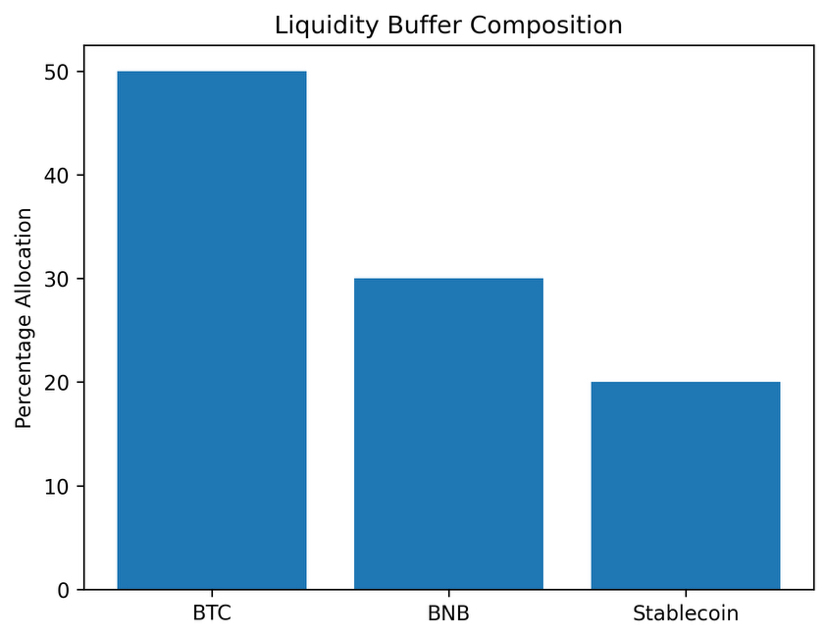
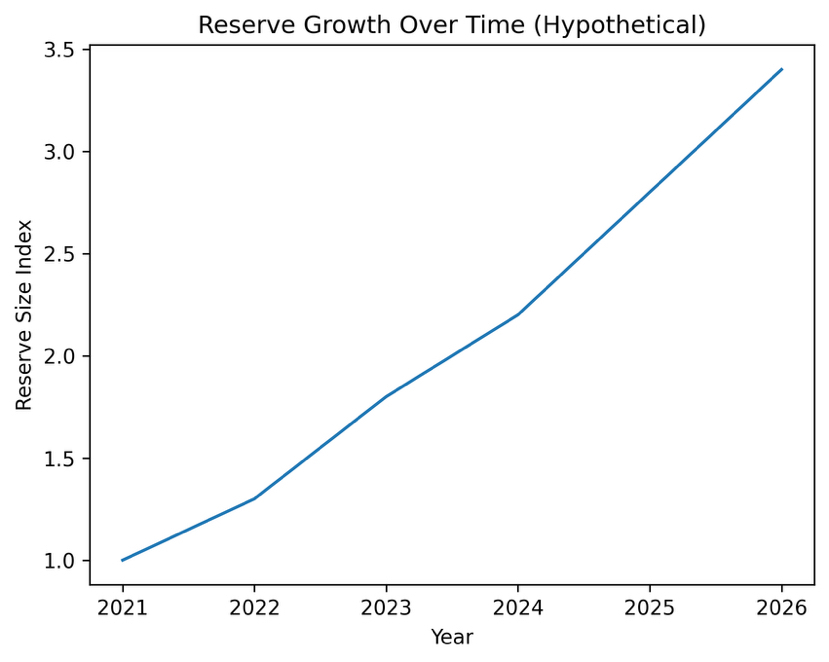
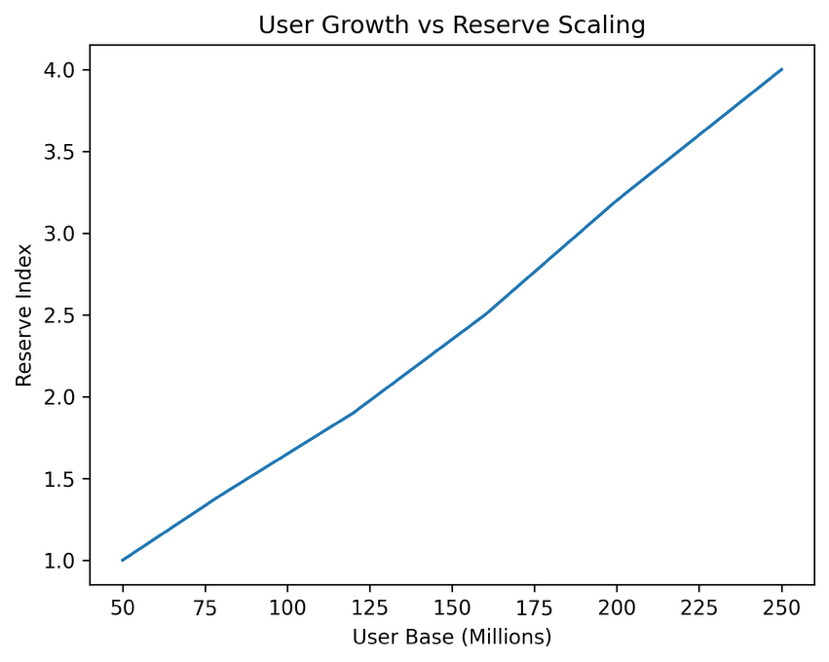
As exchanges grow, protection mechanisms must scale proportionally. More users means more exposure. More exposure means more responsibility. Reserves cannot remain static while volume expands. Risk management must evolve alongside growth.
This is where discipline becomes visible.
Speculation focuses on opportunity. Infrastructure focuses on survivability. The psychological difference between the two defines whether a platform becomes temporary or durable.
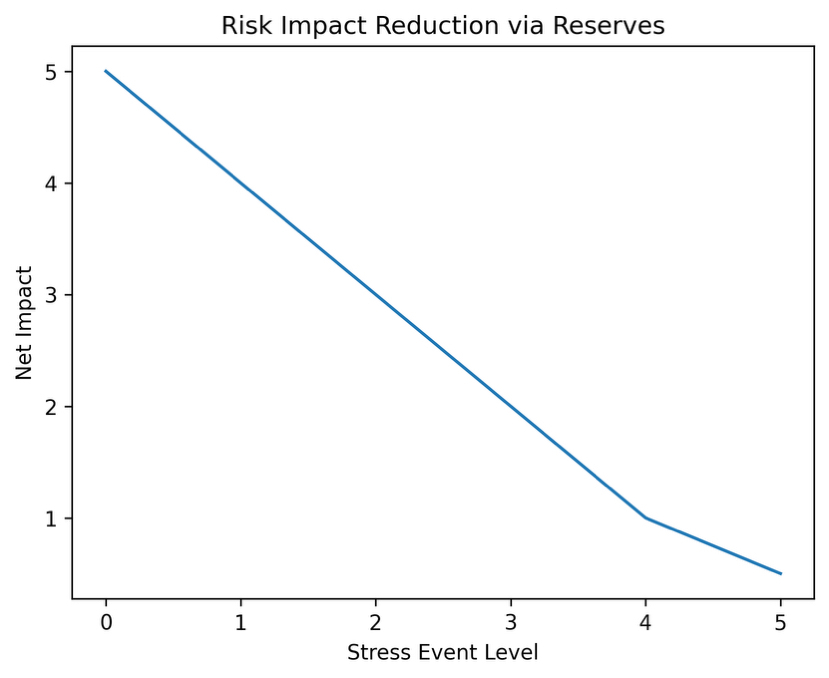
Speculators chase momentum. Infrastructure designers assume worst case scenarios and plan for them quietly.
The SAFU Fund sits in that second category.
When I look at it structurally, I see a recognition that volatility is not an anomaly in crypto. It is a feature. Therefore protection cannot be symbolic. It must be capitalized.
Informed market participants understand that resilience compounds over time. Each stress event that is absorbed without disruption increases credibility. Credibility lowers perceived counterparty risk. Lower counterparty risk strengthens long term participation.
That is how infrastructure builds gravity.
As this industry moves forward, the conversation will shift further away from short term price moves and closer to structural durability. Exchanges that treat protection as architecture rather than public relations will be the ones that endure.
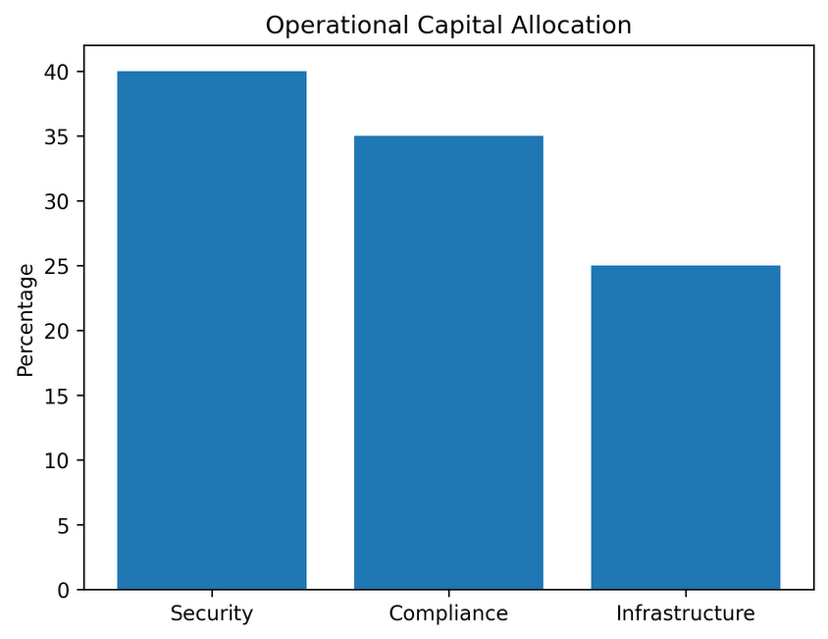
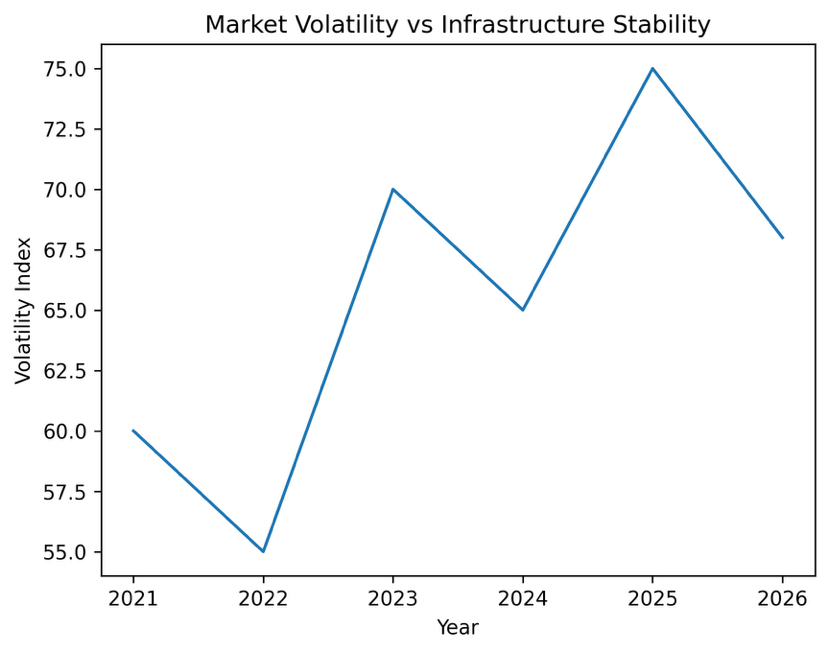
The future of crypto will not be defined only by innovation. It will be defined by infrastructure discipline.
And discipline, in this market, is a competitive advantage.
#BinanceBitcoinSAFUFund #squarecreator #Square
