The Blockchain That Finally Stopped Overthinking Everything .You know that friend who buys a massive truck to occasionally move a couch? That's basically what we've been doing with stablecoins. Hundreds of billions in digital cash running on blockchains built for trading monkey pictures. Then we wonder why sending 50 costs 30 in fees.
Paul Faecks had enough. After building backend systems for Tether and working at Hypernative, he watched people use digital dollars for actual money—remittances, salaries, savings—while infrastructure treated them like afterthoughts. So he built Plasma. Launched September 2025 with 2 billion locked day one. Not 2 million. Two billion. Instant top-ten status, just like that.
How They Pulled It Off
#Plasma didn't reinvent the wheel. They chose better ones.
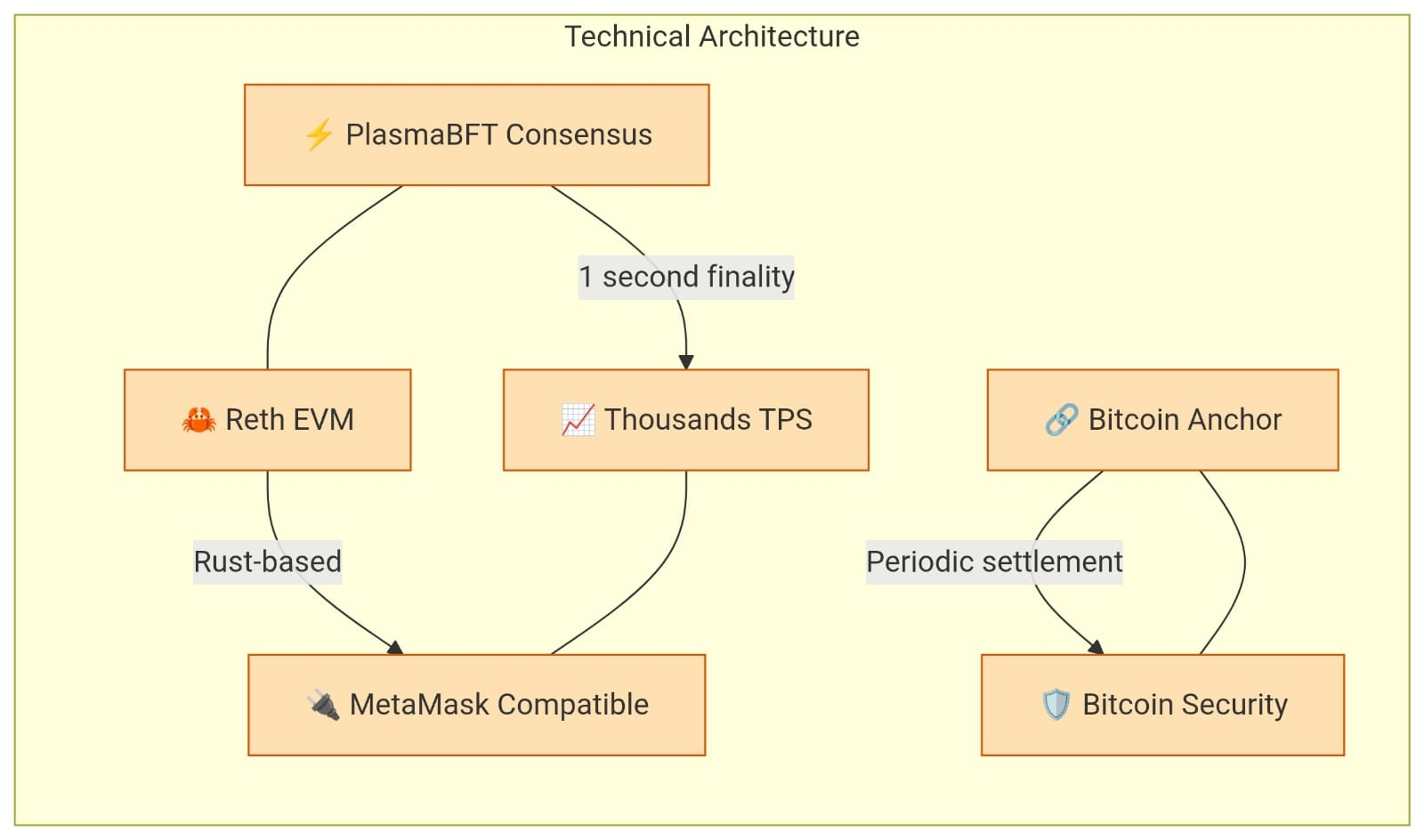
They grabbed Reth, an Ethereum Virtual Machine in Rust, so developers don't learn new languages. Your MetaMask plugs right in. Smart contracts copy-paste over. No drama.
Then they built PlasmaBFT—transactions finish in under a second, thousands per second. Fast enough you don't check your phone wondering if your payment went through.
The clever bit? They anchor everything to Bitcoin. Plasma bundles its history and writes it to Bitcoin's blockchain periodically. You get modern speed with Bitcoin's "good luck hacking this" security. Best of both worlds.
The Feature That Actually Matters
You know how you need ETH to send USDT on Ethereum? Or SOL to move USDC? Infuriating. You have digital dollars but can't move them without buying volatile tokens first. Like needing Shell stock before filling your gas tank.
Plasma said "screw that" and built paymasters. For regular USDT transfers, the network pays your fees. You send 50, your friend gets 50. No gas calculations. No "insufficient funds for gas" errors.
Your grandma could use this. Download wallet, receive USDT, send USDT. Never encountering "gas." That's how this should work.
For complex DeFi stuff, pay fees in USDT or BTC directly. No need to hold XPL unless you want to stake. Simple idea, massive wall removed.
When the Plumbing Actually Gets Built
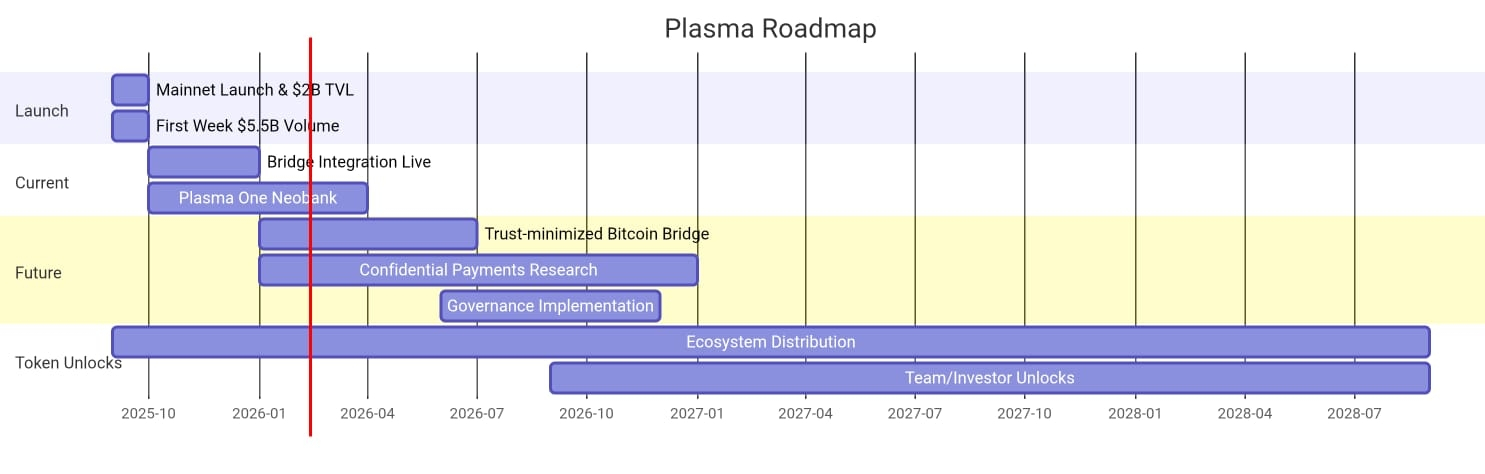
Last year, Bridge announced they were backing Plasma. Everyone nodded and moved on.
They just shipped the first piece. Live now.
USDT flows through Bridge's Orchestration APIs on Plasma, covering onramps and offramps. Translation: businesses moving real money can plug into Plasma's fast, cheap rails without rebuilding everything. Bridge handles messy integration. You get benefits.
This is how adoption happens. Not flashy announcements—plumbing. When infrastructure moving commercial volume connects to your chain, it's not just a science project anymore.
The Token That Knows Its Place
XPL has 10 billion tokens, and here's the refreshing part—it doesn't pretend to be money. It's oil in your car. Necessary, valuable, but you're not buying groceries with it.
Validators stake XPL to secure the network. Mess up? Lose rewards, not principal. Most chains slash your actual stake—like taking your car for a fender bender. Plasma says "no paycheck this week." Less terrifying for node operators.
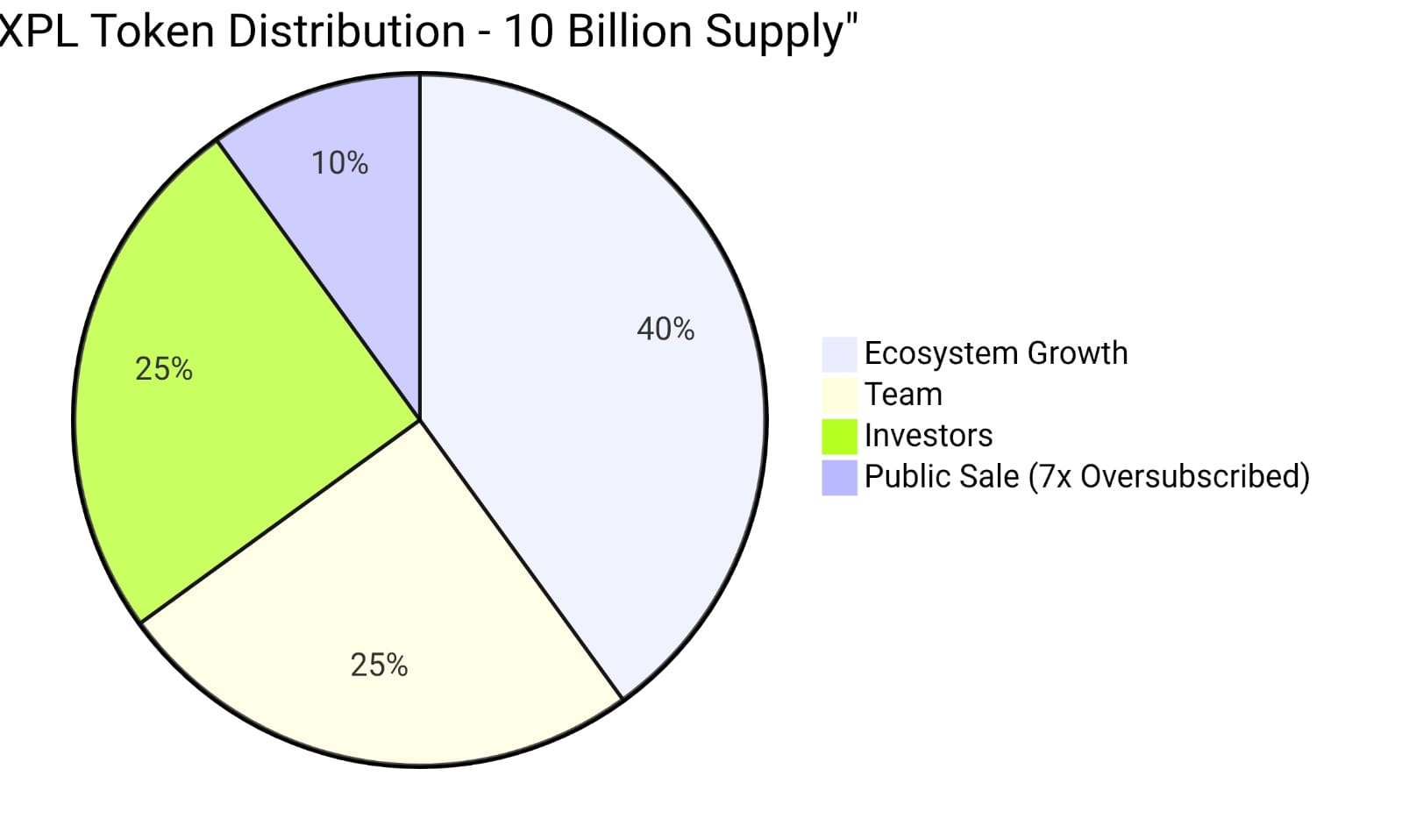
Inflation starts at 5% yearly, drifts to 3%. Fees get burned, so busy periods make XPL scarcer. Distribution: 40% ecosystem growth, 25% team, 25% investors, 10% public sale. That sale aimed for 50 million, got 373 million. Seven times oversubscribed. When that many want in, you pay attention.
They Built the App Too
Most blockchain teams stop at "here's the chain, good luck." Plasma looked at their infrastructure and realized: nobody cares about infrastructure.
So they built Plasma One. A neobank running on their chain. Zero-fee transfers. Virtual cards in minutes, not "7-10 business days." Up to 4% cashback at 150+ million merchants. Yields over 10% on stablecoin savings. Spend directly from holdings.
Full stack. Pipes and faucet. Most crypto makes you build your own faucet. Plasma built that too, and made it not terrible.
What's Coming Next
Trust-minimized Bitcoin bridge incoming—real BTC flowing into Plasma as pBTC. Firehose of liquidity waiting to turn on. Confidential payments being researched. Governance on the roadmap, letting token holders actually steer.
Backers are serious: Founders Fund, Framework Ventures, Bitfinex. Partners include Aave, Euler, Chainlink. Over 500 million raised. First week volume hit 5.5 billion. These are "already working" numbers.
The Honest Downsides
Token unlocks are coming—billions of XPL over three years. Supply pressure. Price might get bumpy. Competition heating up, other chains waking up to stablecoins. Regulators circling like sharks.
Betting everything on stablecoins is risky. What if CBDCs eat the market? What if some other use case wins? Plasma is all-in on digital dollars. If that bet's wrong, no plan B.
Why I'm Actually Paying Attention
Crypto has this disease where every project solves seventeen problems at once. "We're a store of value AND smart contract platform AND privacy coin AND DeFi hub!" No you're not. You're stretched thin, mediocre at all of them.
Plasma is doing something rebellious: focusing. Just payments. Just stablecoins. Just making digital dollars move like actual money.
In a space full of vaporware, watching a team actually ship—2 billion day one, working apps, Bridge integration live, real volume—is fresh air. They're not asking you to believe in the future. They're showing you the present.
Stablecoins aren't going anywhere. If anything, they're accelerating as traditional finance keeps disappointing people. Plasma is positioning itself to be the rail that works when everything else gets clogged or expensive.Worth watching. Maybe even worth using.