

The promise of blockchain gaming has captivated imaginations for years, yet the reality has consistently disappointed both players and developers. Countless projects have launched with ambitious visions of player-owned economies and cross-game assets, only to fade into obscurity after failing to deliver experiences compelling enough to attract audiences beyond crypto enthusiasts. Fogo emerged from carefully analyzing these failures, recognizing that the problem wasn’t blockchain’s unsuitability for gaming but rather the absence of infrastructure genuinely designed around gaming’s unique demands. The project represents a fundamental rethinking of how blockchain platforms should function when supporting interactive entertainment at scale.
Traditional gaming operates under models where players never truly own the items they acquire. A legendary sword earned through hundreds of hours of gameplay exists only as database entry controlled entirely by the game publisher. If servers shut down, that progress vanishes. If developers decide to nerf the item or remove it entirely, players have no recourse. Account bans mean losing access to everything purchased or earned. This reality has persisted because technical limitations made alternatives impractical, not because players prefer renting digital items over owning them. Blockchain technology theoretically solves this ownership problem, but existing implementations introduced worse problems than they solved.
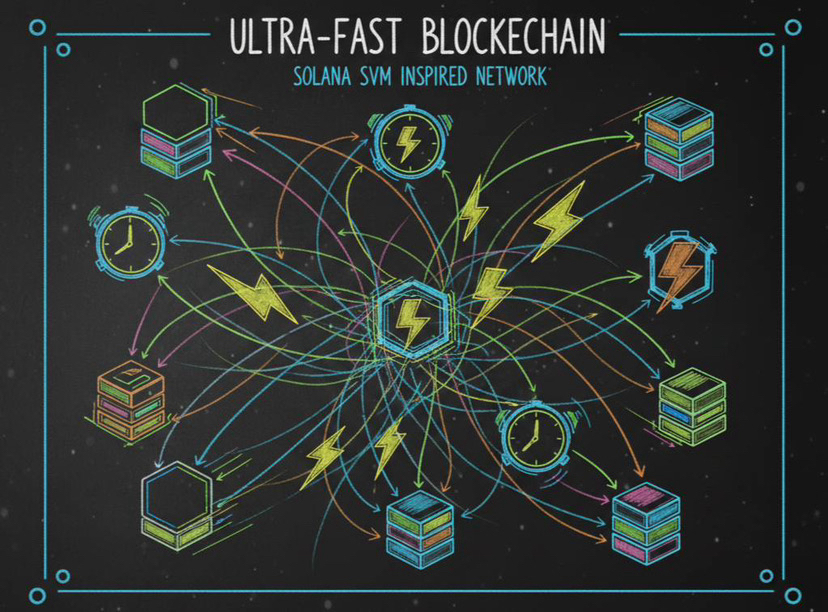
Fogo’s architecture addresses the specific pain points that plagued earlier blockchain gaming attempts. Performance represents the most critical factor because games demand responsiveness that feels instantaneous to players. The platform achieves transaction confirmation in milliseconds through optimized consensus mechanisms specifically tuned for gaming workloads. This speed ensures that when players trade items, claim rewards, or interact with game economies, confirmations happen so quickly that blockchain becomes invisible rather than a noticeable delay disrupting gameplay flow. Traditional blockchains with multi-second confirmation times create frustrating experiences where players wait after every action, breaking the immersion that great games carefully cultivate.
Throughput capacity determines whether blockchain can actually support successful games attracting millions of players. Fogo processes tens of thousands of transactions per second, creating headroom for the sustained high-volume activity that thriving game economies generate. A popular multiplayer game might have hundreds of thousands of players simultaneously trading items, claiming daily rewards, participating in events, and interacting with economic systems. Each action represents a transaction that infrastructure must handle reliably. When blockchain becomes the bottleneck limiting how many players can participate or how frequently they can interact with game features, it transforms from enabler to obstacle.
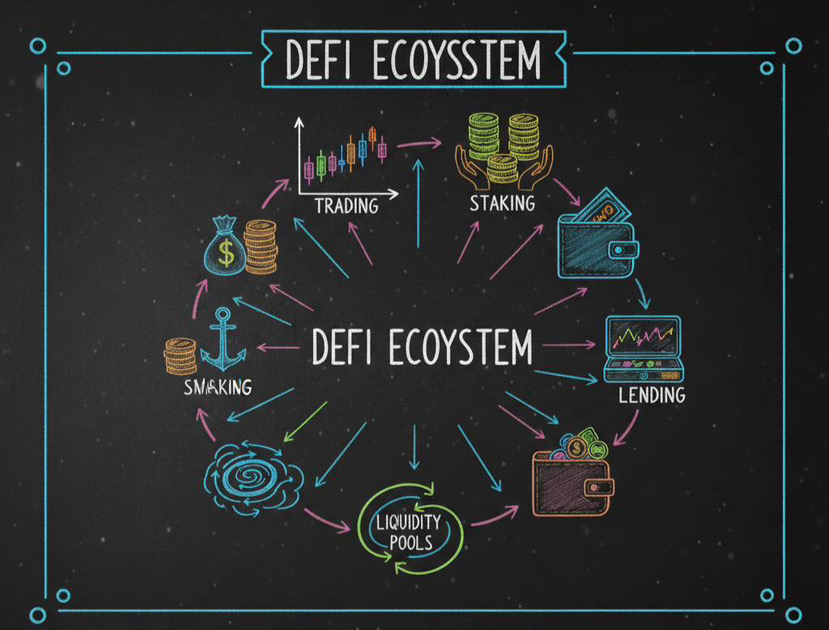
Cost economics make or break blockchain gaming adoption. If claiming a common item costs fifty cents in transaction fees, players simply won’t engage with blockchain features regardless of ownership benefits. Fogo’s fee structure operates at scales where transaction costs become economically invisible for typical gaming interactions. Players can trade low-value items profitably, claim small daily rewards without fees consuming value, and perform frequent marketplace interactions without calculating whether transaction costs justify actions. This economic accessibility democratizes participation, allowing players with modest resources to engage fully rather than being priced out of features theoretically available to everyone.
Developer experience determines how quickly quality games arrive on any platform. Fogo provides integration tools that work with Unity and Unreal Engine, the dominant game development environments used by studios worldwide. Developers can add blockchain features to projects without abandoning familiar workflows or learning entirely new technology stacks. SDKs abstract complexity, allowing implementation of ownership systems, marketplaces, and economic features through straightforward API calls rather than deep blockchain expertise. Sample code and comprehensive documentation guide studios through common integration patterns, reducing time from concept to launch while avoiding pitfalls that inexperienced teams might encounter.
The economic models Fogo enables go beyond simple item ownership to encompass sophisticated player-driven economies. Secondary markets emerge naturally when players can freely trade assets without requiring developer permission for each transaction. Cross-game compatibility becomes possible when multiple games recognize the same asset standards, allowing items to maintain value across different gaming experiences. Play-to-earn mechanics create opportunities for skilled players to generate income through gameplay when infrastructure can handle frequent reward distribution to large populations without prohibitive costs. These features require blockchain but only succeed when implementation doesn’t degrade the core gaming experience.
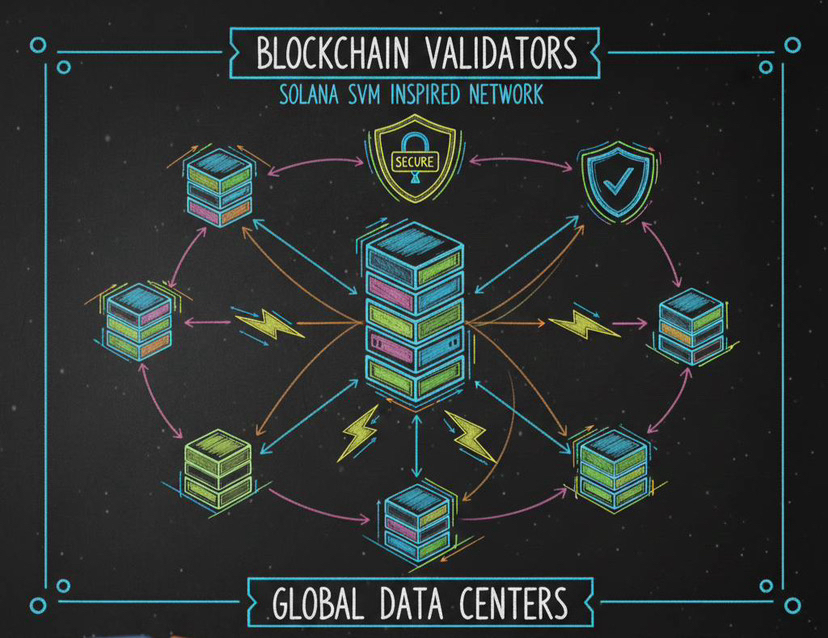
Community governance through the FOGO token creates interesting dynamics around platform evolution. Developers building games need infrastructure stability and predictable roadmaps for long-term planning. Players want features improving their gaming experiences. Validators maintaining infrastructure need sustainable economics justifying their operational investments. Token governance must balance these competing interests while enabling the platform to evolve as gaming itself changes. Successful governance frameworks create processes where decisions emerge from genuine consensus rather than being dominated by any single constituency.
Security concerns loom large because gaming assets represent real economic value requiring protection. Players need confidence that items won’t disappear due to exploits or technical failures. Fogo implements comprehensive security including smart contract audits, formal verification for critical systems, and monitoring for suspicious activity. Asset custody balances protection with usability, avoiding security theater that frustrates users into adopting risky workarounds. The goal is security so reliable that players trust blockchain gaming systems as much as traditional games without thinking constantly about potential vulnerabilities.
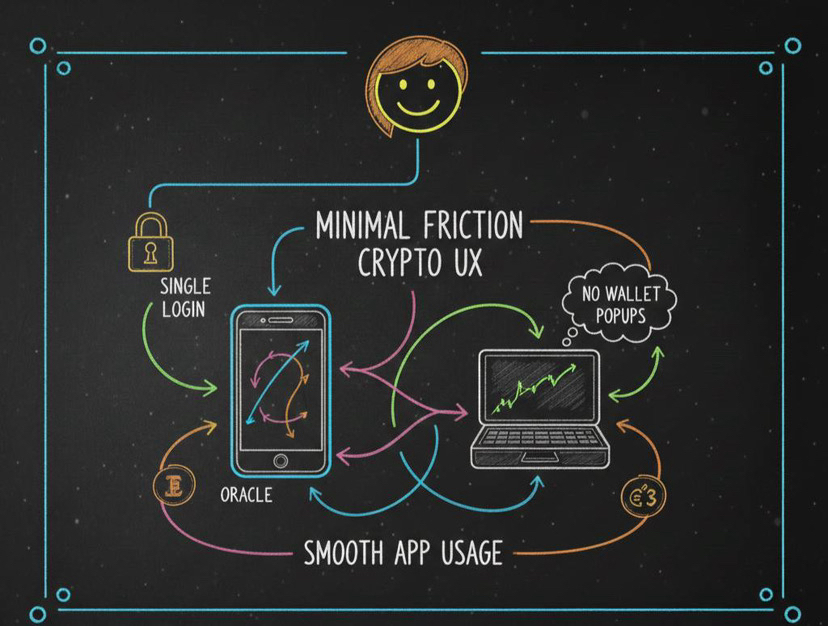
Looking toward gaming’s future, several trends suggest blockchain integration might finally achieve meaningful adoption. Younger players grew up with digital-first experiences and intuitively understand digital ownership concepts. Mobile gaming dominance creates opportunities for blockchain features integrated naturally into touch-based interfaces. Metaverse ambitions from major tech companies normalize ideas about persistent digital identities and cross-platform assets. These cultural and technological shifts create favorable conditions for blockchain gaming if infrastructure can support compelling implementations.
The challenge Fogo faces isn’t primarily technical but cultural and competitive. Traditional gaming companies have enormous resources and established player relationships. Convincing major studios to experiment with blockchain requires demonstrating that ownership features attract players and generate revenue beyond what traditional models achieve. Regulatory uncertainty around gaming economies and digital assets creates hesitation that infrastructure quality alone cannot overcome. Market cycles affecting cryptocurrency valuations influence how seriously gaming companies take blockchain integration regardless of technology maturity.
If blockchain gaming achieves mainstream adoption, infrastructure purpose-built for gaming holds substantial advantages over general platforms adapted for gaming as afterthought. Fogo’s focused optimization for gaming-specific requirements positions it favorably should the industry embrace ownership and open economies. The platform is building toward a future where blockchain enables gaming experiences impossible with traditional technology while remaining invisible to players who simply want great games. Whether that future arrives depends on execution, market acceptance, and whether gaming culture evolves to value ownership and economic participation as highly as entertainment alone. Fogo is placing a significant bet that the answer is yes, and building infrastructure ready to support gaming’s transformation when that moment arrives.