
When you first hear about Vanar Chain, it doesn’t immediately scream “next big thing” like some flashy token with crazy yields. What makes it interesting and what makes me actually pay attention is its structural ambition. Vanar isn’t just another EVM clone trying to copy Ethereum or Polygon. It’s trying to build a blockchain where data reasoning and AI are baked into the protocol, not just tacked on via oracles. Imagine a chain where smart contracts can “think” about the data they’re handling, compress it intelligently, and act on it in ways that most current blockchains simply can’t. That’s the core idea, and if it works, it could change how enterprises, games, and even everyday applications adopt Web3.
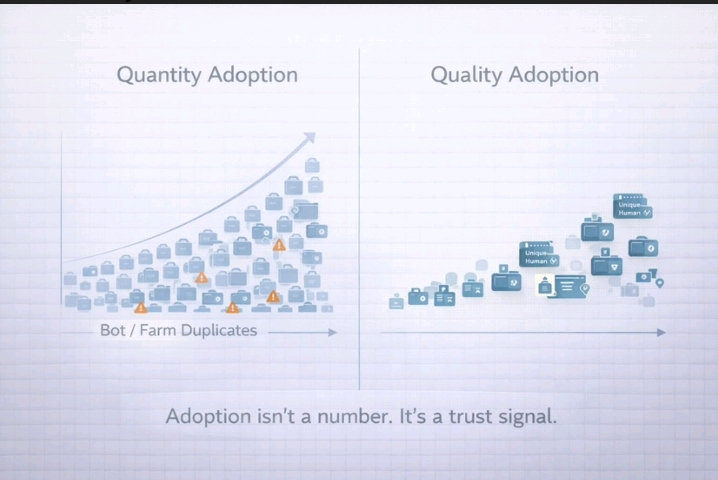
Technically, Vanar is an L1 chain that combines AI reasoning with semantic data compression and EVM compatibility. It offers fast block times, predictable micro-fees, and a set of tools that developers can use to build intelligent applications. It’s not just about moving coins around it’s about enabling applications that understand and reason about the data they store and process. The team behind it comes from gaming, entertainment, and brand tech, which explains why their first big products the Virtua Metaverse and VGN games network are focused on real-world consumer adoption. They want the next three billion users to interact with Web3 in ways that feel natural, not like a tech demo.
The token, $VANRY, has a total supply of around 2.4 billion, with most already in circulation. Unlike some projects that dump a huge portion of tokens immediately, Vanar has a long-term emission schedule. Most of the future supply is reserved for validator rewards, with smaller allocations for development and community programs. That means inflation is predictable, and the token’s utility isn’t just speculative. It’s used for gas, staking, governance, and eventually tying into real revenue streams from the ecosystem products. In theory, as Virtua Metaverse and the AI tools generate revenue, $VANRY can be bought back or burned, creating a direct link between real-world activity and token demand.
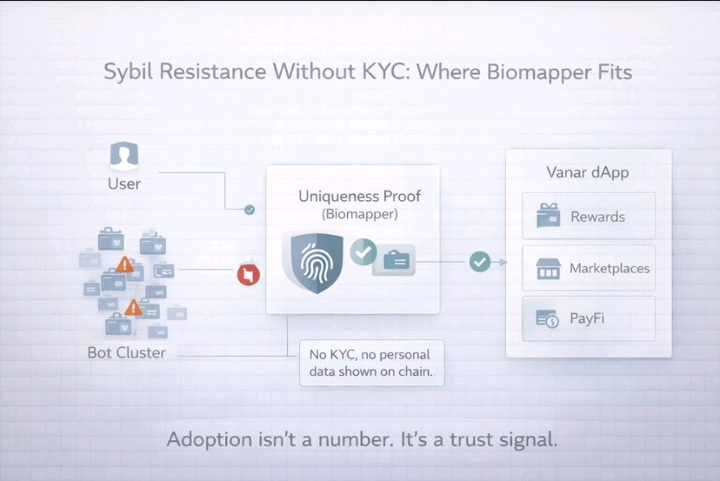
Liquidity is available across major centralized exchanges like Binance, KuCoin, and Crypto.com, as well as some DEXs. But the reality is that most of the volume still comes from retail traders. Institutional interest isn’t strong yet, which means the market can move quickly on relatively small trades. That’s both a risk and an opportunity for anyone who wants to play this as a tactical bet rather than a buy-and-hold strategy. On-chain signals show steady wallet growth, but nothing that screams smart-money accumulation just yet. Early adoption is there, particularly from developers experimenting with the AI stack, but it’s still a niche, beta-level ecosystem.
Where Vanar sits in the broader market cycle is interesting. It’s not a pure DeFi play, it’s not just a gaming chain, and it’s not merely an AI-on-chain experiment. It’s all of those things rolled into one, targeting long-term adoption rather than quick speculative spikes. The chain’s competitive edge is its AI-first approach no other L1 currently tries to embed reasoning into the protocol itself. That gives it a potential structural advantage if adoption picks up, but it also means the project carries execution risk. Building a scalable, usable AI blockchain is hard, and any delays or technical missteps could shake confidence.
From a strategic perspective, this isn’t a token you throw into a portfolio blindly. In a bull market, Vanar could attract early smart capital if its products start seeing real usage subscription fees, in-game purchases, or enterprise AI applications. In a range-bound market, it’s likely to chop sideways, with retail-driven spikes but limited structural momentum. And in a bear market, liquidity could dry up fast, making it vulnerable to volatile swings.
The real asymmetry here comes from being early on a blockchain that isn’t chasing hype but building a functional, AI-native foundation. If the team delivers on product adoption and usage, the token could shift from being a speculative asset to a functional infrastructure primitive. But that’s conditional it’s a play on execution, adoption, and the ability to actually bring real users into Web3.
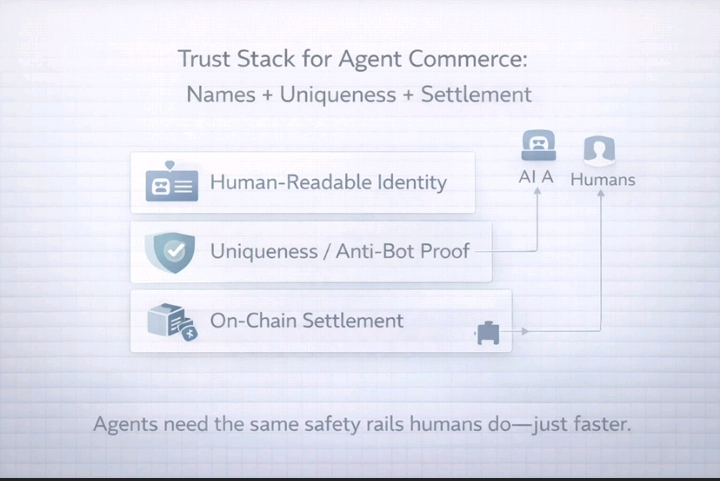
In short, Vanar Chain is not about hype; it’s about architecture, real adoption, and intelligent design. $VANRY isn’t just another token to chase charts on; it’s a way to get exposure to a project trying to redefine what blockchains can do when AI is built in from day one. For anyone willing to follow product metrics, track liquidity, and manage risk carefully, this is a bet with potentially asymmetric upside. For those looking for easy short-term gains, it’s not the place to be.
