
If you’re new to crypto, you might have seen Bitcoin (BTC) jump recently and wondered why. The move came after the U.S. Consumer Price Index (CPI) report showed inflation at 2.4%, the lowest in four years. Let’s break down what this means in simple terms.
1. What Is CPI and Why It Matters
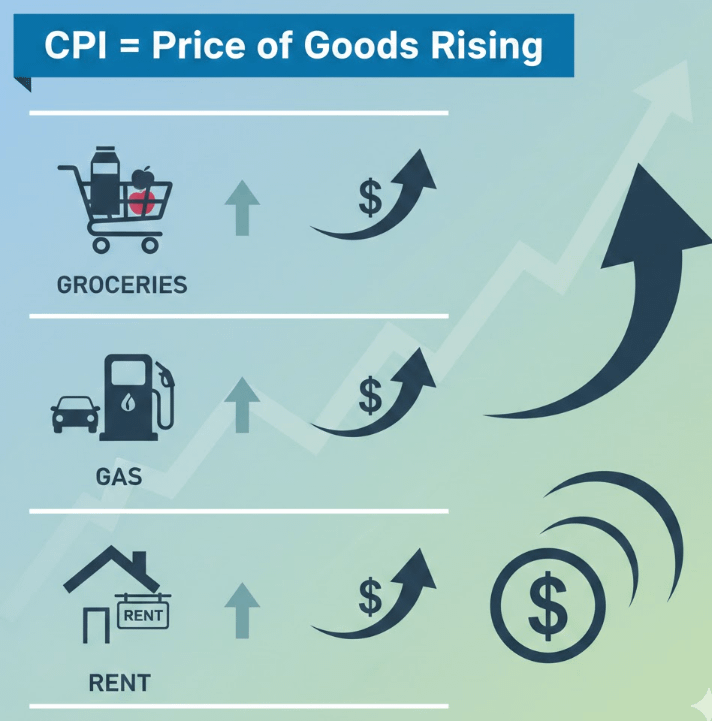
CPI measures how fast prices for everyday goods and services like groceries, gas, and rent — are rising. Think of it as a thermometer for inflation:
High CPI → prices are rising quickly → money loses value faster.
Low CPI → prices are rising slowly → your money holds value better.
Inflation affects all markets, including crypto. That’s because investors adjust their strategies based on how fast money is losing purchasing power.
2. How Inflation Connects to Bitcoin
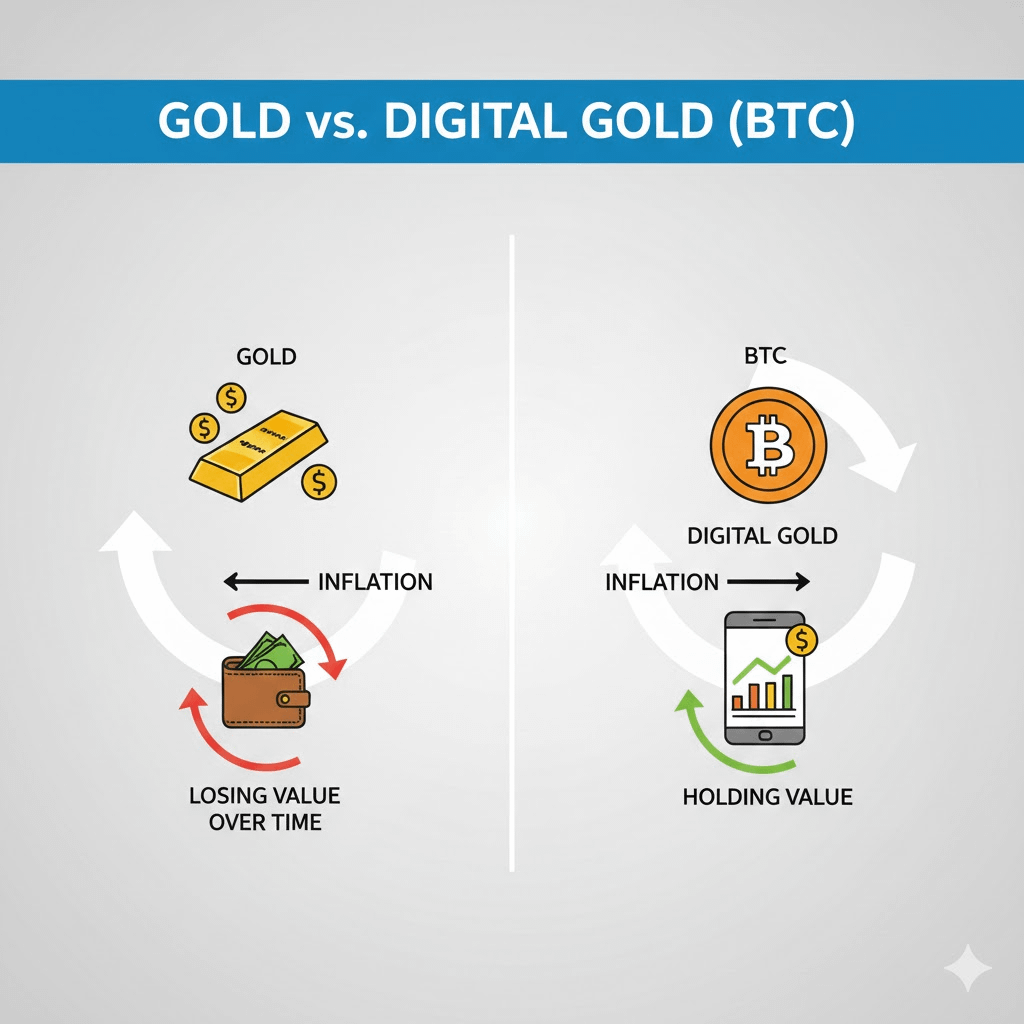
Bitcoin is often called “digital gold” because it can act as a hedge against inflation. Here’s the logic:
When inflation is high, people may buy BTC to protect their wealth.
When inflation slows, it can make BTC slightly less urgent as a hedge.
But here’s the twist: slower inflation often changes interest rate expectations, which can actually boost BTC.
3. Interest Rates: The Key Driver
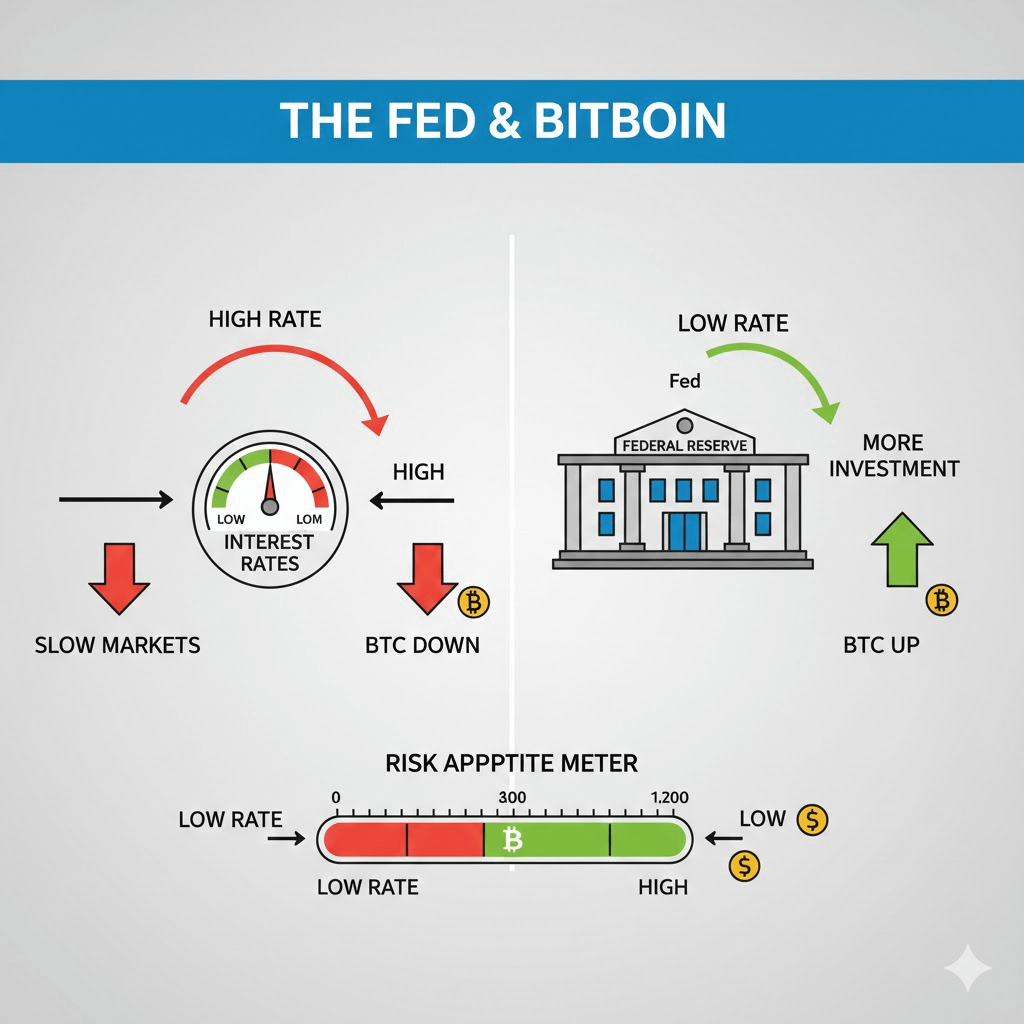
The U.S. Federal Reserve (Fed) uses interest rates to control inflation:
High rates make borrowing expensive → investors pull back from risky assets → BTC price can drop.
Lower rates make borrowing cheaper → more money flows into stocks and crypto → BTC price can rise.
With CPI at 2.4%, traders now expect the Fed may pause rate hikes or even cut rates later this year. That’s bullish for Bitcoin because lower rates generally encourage investment in risk assets.
4. How BTC Reacted
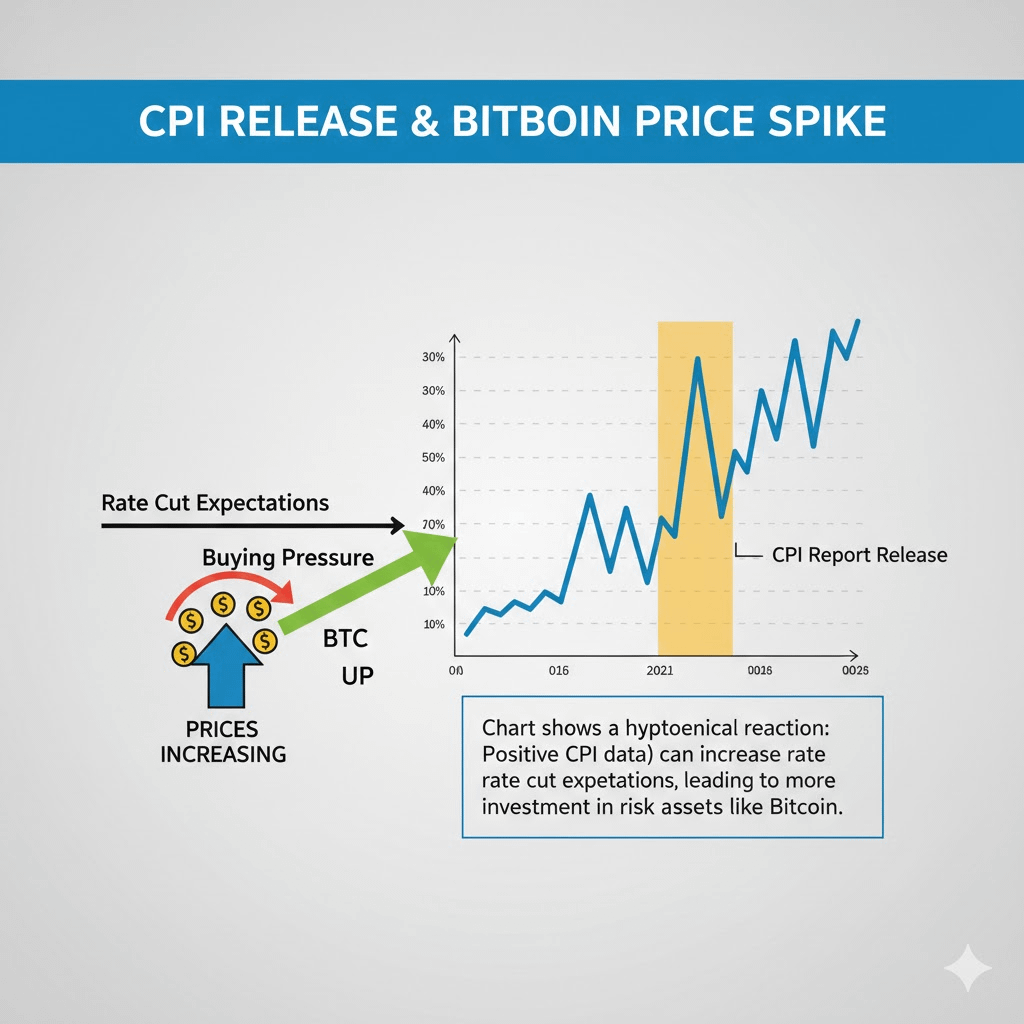
As soon as the CPI report dropped, Bitcoin jumped in price.
Traders quickly priced in potential rate cuts, creating buying pressure.
This shows that macroeconomic events, like inflation reports and central bank moves, often influence crypto more than short-term chart patterns.
5. What This Means for Beginners
Even if you’re just starting, understanding macro trends is helpful:
Bitcoin moves aren’t random inflation and rates play a big role.
Watching major economic indicators helps you anticipate price moves.
Combining macro awareness with basic chart analysis makes your trading decisions smarter and less guesswork.
💡 Pro Tip: Track CPI releases, Fed statements, and rate expectations. Even a beginner can start noticing patterns between macro news and BTC price swings.
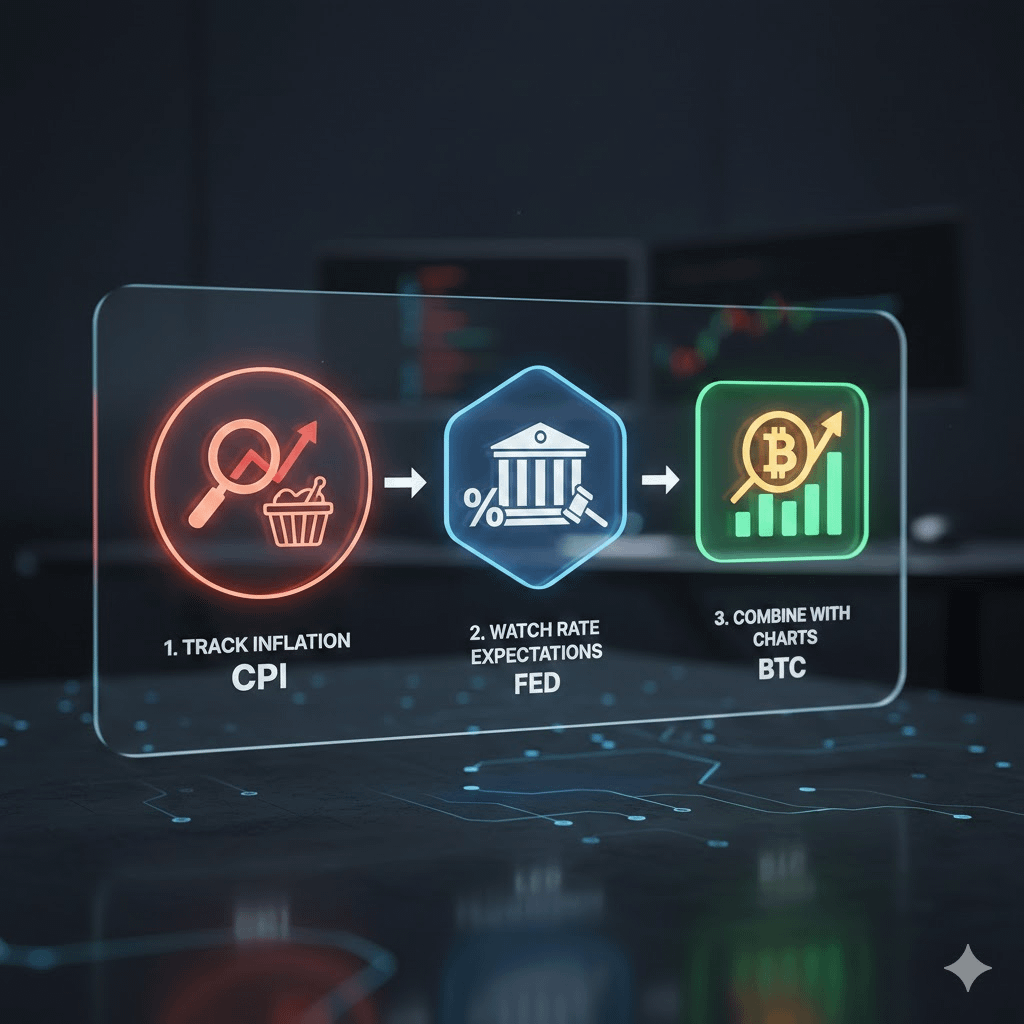
6. Quick Recap
CPI fell to 2.4%, signaling slower inflation.
Lower inflation hints the Fed may pause or cut rates → bullish for risk assets like BTC.
Bitcoin rose as traders reacted to potential rate cuts.
Macro events often explain BTC moves better than charts alone.
By paying attention to simple economic data, you can start understanding why Bitcoin moves the way it does giving you a more informed perspective whether you’re investing or trading.