Almost everyone says the same thing after a P2P issue:
“I knew the rules… I just didn’t think it would happen to me.”
That sentence alone explains why P2P problems keep repeating.
If you spend enough time reading P2P dispute stories, Telegram screenshots, Reddit posts, and Binance support threads, you’ll notice something important:
most losses don’t come from ignorance — they come from small decisions made under pressure.
Let’s talk about those.
1. “The Payment Was There for a Second”
One of the most common stories goes like this:
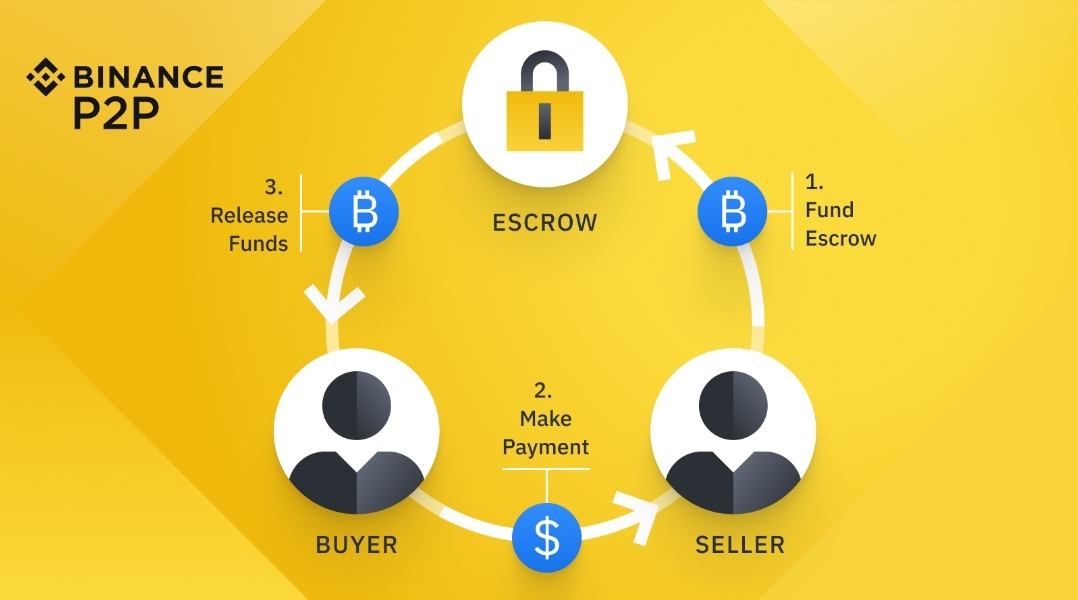
The buyer sends money.
The balance appears briefly.
The seller releases crypto.
Minutes later, the amount disappears or gets reversed.
What actually happened:
Temporary credit
Pending transfer
Or internal bank reversal
The mistake wasn’t technical.
It was trusting movement instead of settlement.
Experienced P2P users don’t care if money “shows”.
They wait until it’s fully settled and irreversible.
2. The Friendly Buyer Trap
Many scams don’t start aggressive. They start polite.
“Brother please release fast”
“I’m a regular trader”
“I’ve done many orders”
“I’m in a hurry, please help”
People lower their guard because the conversation feels human.
From countless cases online, this pattern is clear: Scammers rush you emotionally, not technically.
The safest P2P traders are the least emotional ones.
They don’t argue.
They don’t explain.
They just follow process.
3. The Name Mismatch That “Should Be Fine”
Another very common regret:
“The payment came from a different name, but they said it was their relative / business account.”
That one decision causes:
Chargebacks
Frozen accounts
Disputes you can’t win
Platforms side with matching records, not explanations.
Every long-term P2P user learns this the hard way: If the name doesn’t match, the trade is already broken, no matter how smooth it looks.
4. When People Avoid Disputes (And Lose Because of It)
Many users hesitate to open disputes because:
They don’t want delays
They feel it’s “too early”
They think the other party will cooperate
Reading case after case, one pattern stands out: The people who lose most are the ones who wait too long.
Disputes aren’t punishments.
They’re protection mechanisms.
Opening one early freezes the situation.
Waiting allows damage to happen.
5. The “Good Price” That Costs More Later
A recurring theme in P2P loss stories: The user chose the offer with the best rate, ignoring:
Low completion history
New accounts
Limited reviews
Later they realize: That “better price” was bait.
Experienced P2P traders treat price as secondary. Their priority is:
History
Consistency
Predictability
In P2P, safety always beats savings.
6. Why Experienced Users Still Make Mistakes
This part is important.
Even experienced traders get caught because:
They become complacent
They rush during busy hours
They assume familiarity equals safety
Most P2P losses happen after confidence increases, not before.
That’s why experienced users follow rigid routines: Same checks.
Same steps.
Every time.
No exceptions.
Be honest… how many of you read this and thought ,yeah, I’ve been there.Almost everyone who’s active on P2P has a story like this — some just don’t talk about it.
BTCUSDTPerp64,966.3-4.35%
RIVERUSDTPerp7.97+0.75%