
US Secretary of State Marco Rubio sought to reassure European allies about Washington’s commitment to the transatlantic relationship during a high-profile speech at the Munich Security Conference, but he paired that message with a clear warning: Europe must change course and take on more responsibility if it wants continued strong backing from the United States.
Speaking to an audience of European leaders and security officials, Rubio emphasized the deep historical ties between America and Europe, describing the United States as a “child” of Europe whose fate remains closely linked to the continent. His tone was notably more diplomatic than some recent remarks from senior US officials, and parts of the speech drew applause from attendees who have grown increasingly uneasy about the direction of US foreign policy.
Yet behind the warm rhetoric was a firm message aligned with the Trump administration’s broader strategy. Rubio made clear that Washington expects European allies to strengthen their own defense capabilities and align more closely with US priorities. He warned that the United States could pursue its security goals independently if necessary, underscoring a shift away from traditional assumptions that Washington will always lead multilateral efforts.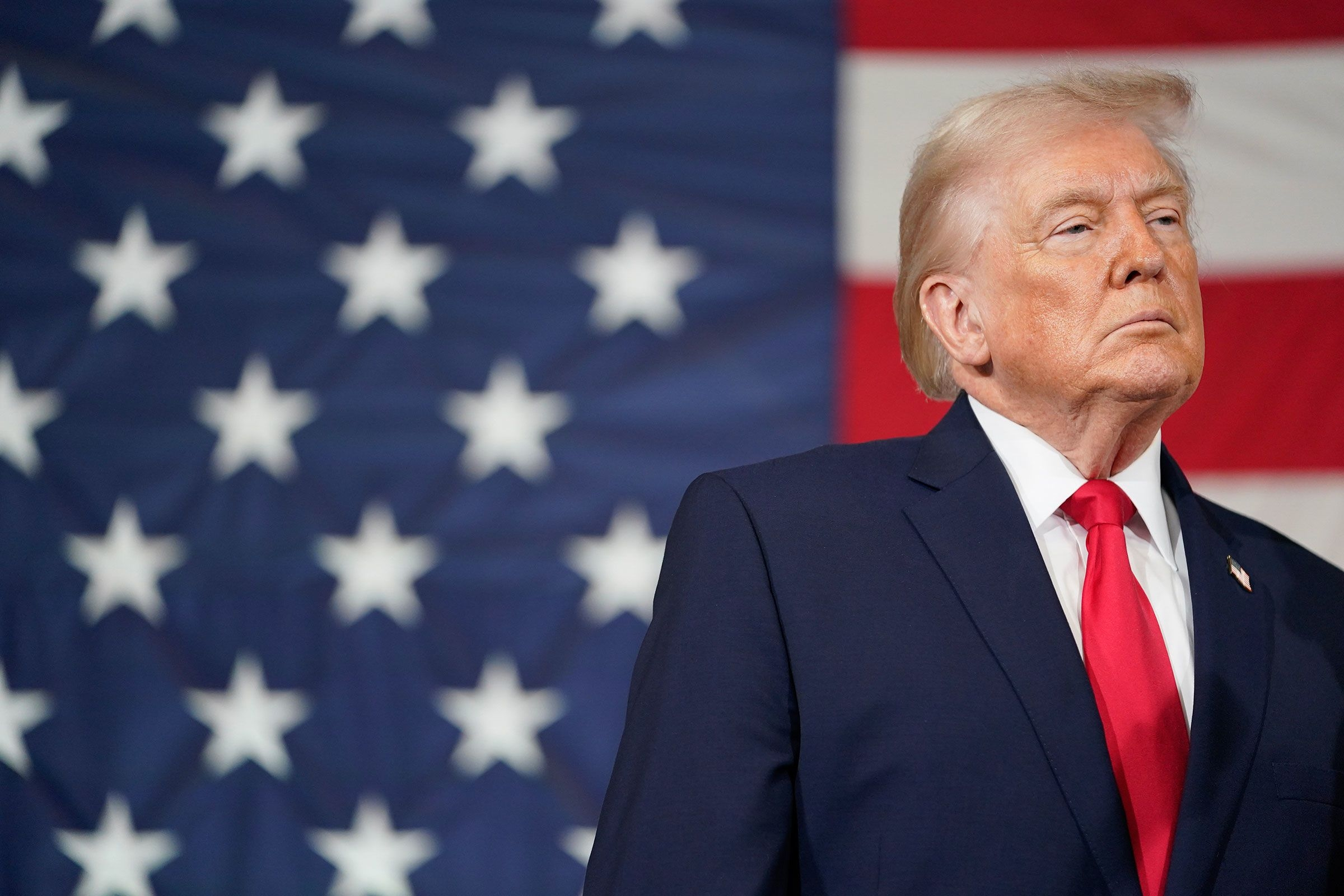
“We want allies who can defend themselves so that no adversary will ever be tempted to test our collective strength,” Rubio said, framing the demand as a call to revitalize — rather than weaken — the long-standing partnership between the US and Europe. He argued that America has no interest in overseeing what he described as the “managed decline” of the West and instead wants to see renewed energy and shared commitment among allies.
The speech came at a tense moment in transatlantic relations. Over the past year, President Donald Trump has repeatedly criticized European nations for relying too heavily on US military and financial support, particularly within NATO. The administration has pushed allies to increase defense spending and assume a greater share of the burden for regional security — a demand that has sparked debate across Europe about the future of the alliance.
European leaders arrived at this year’s Munich conference already on edge. Many remember last year’s gathering, where Vice President JD Vance delivered a speech that sharply criticized European political culture and suggested that internal divisions posed a greater threat to Europe than geopolitical rivals like China or Russia. That address left some officials questioning whether Washington still saw Europe as a trusted partner.
Rubio’s remarks appeared designed to soften those concerns without abandoning the administration’s core agenda. He repeatedly invoked shared history and democratic values, signaling that the United States does not intend to walk away from the transatlantic alliance. However, he also stressed that cooperation must evolve, suggesting that the current model of international partnerships needs reform to meet new global challenges.
The speech also unfolded against a backdrop of broader policy tensions. European governments have expressed alarm over a series of Trump administration moves, including threats of retaliatory tariffs, discussions about potential US control of Greenland, and a reduction in certain forms of international aid. These developments have fueled speculation about whether the United States is shifting away from its traditional leadership role in the Western alliance.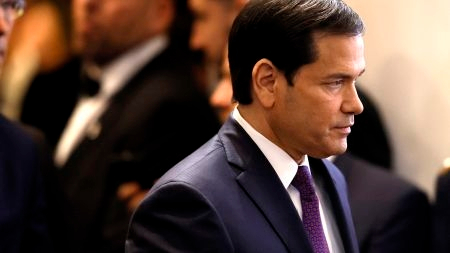
German Chancellor Friedrich Merz acknowledged the growing strain in relations ahead of Rubio’s address, saying that a divide had opened between Europe and the United States. Many European officials worry that the post–World War II international order — long anchored by US leadership — is entering a period of uncertainty as Washington redefines its priorities.
Despite those concerns, Rubio framed his message as one of renewal rather than separation. He argued that stronger European defense capabilities would ultimately reinforce the alliance by making it more resilient and balanced. By urging Europe to become more self-reliant, he suggested that the United States hopes to build a partnership in which responsibilities and risks are shared more evenly.
Analysts say the mixed tone of reassurance and pressure reflects the Trump administration’s broader diplomatic approach: maintaining alliances while pushing allies to adapt to a changing strategic landscape. For some European leaders, Rubio’s speech offered a measure of relief compared to previous rhetoric from Washington. For others, it confirmed that the relationship is entering a new phase defined by tougher expectations and fewer guarantees.
As the Munich Security Conference continues, discussions about the future of NATO, global security cooperation, and the evolving balance of power between the US and Europe are expected to dominate the agenda. Rubio’s remarks made clear that while the United States still values its historic partnership with Europe, it now sees that partnership as one that must be reshaped to meet new realities. $TRUMP
